Indiana State Police Harness Cutting-Edge DNA Technology to Tackle Cold Cases
August 21, 2025 - 23:05

It has been 41 years since Darlene Hulse was tragically killed, leaving her case unsolved and her family seeking justice. The cold case unit of the Indiana State Police is now turning to innovative DNA technology in hopes of solving not only Hulse's case but also other long-standing unsolved mysteries.
This new approach utilizes advanced DNA analysis techniques that can extract and analyze genetic material from evidence that may have previously been untestable. By leveraging this technology, investigators aim to uncover vital clues that could lead to breakthroughs in cold cases that have haunted families and communities for decades.
The Indiana State Police is urging the public to come forward with any information that may assist in these investigations. With the potential to solve cases that have remained dormant for years, the department is optimistic that this technological advancement will bring closure to victims' families and restore a sense of justice to the community.
MORE NEWS
July 22, 2026 - 03:34
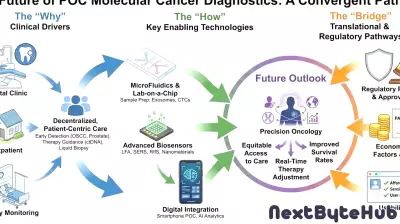
Paradigm shift in oncology: The emergence of point-of-care diagnostic technologyThe dream of getting cancer test results faster, more accurately, and at a lower cost is moving closer to reality. This shift is being driven by interdisciplinary teams who are rethinking how...

July 21, 2026 - 00:13
Cheaper AI models create more demand for technology, expert arguesThe rise of more affordable artificial intelligence models is not slowing down the technology sector but instead creating a wave of new demand, according to a market expert. Eric Jackson, founder...

July 20, 2026 - 06:30
Eva Live Announces LOI to Acquire Airbeam Wireless Technologies to Advance AI-Powered Autonomous and Millimeter-Wave CommunicationsEva Live Inc. has signed a Letter of Intent to purchase a 51% interest in Airbeam Wireless Technologies Inc., a deal valued at roughly $16 million. The acquisition is aimed at strengthening Eva...
July 19, 2026 - 19:12
The supercars and super sports cars utilizing electric power, hybrid technology, as well as gasolineThe roar of a V12 engine is not disappearing, but it is increasingly sharing the stage with the silent hum of electric motors. In recent years, the supercar world has undergone a major shift,...