Digital health technology offers new hope for better health outcomes
May 8, 2026 - 04:10
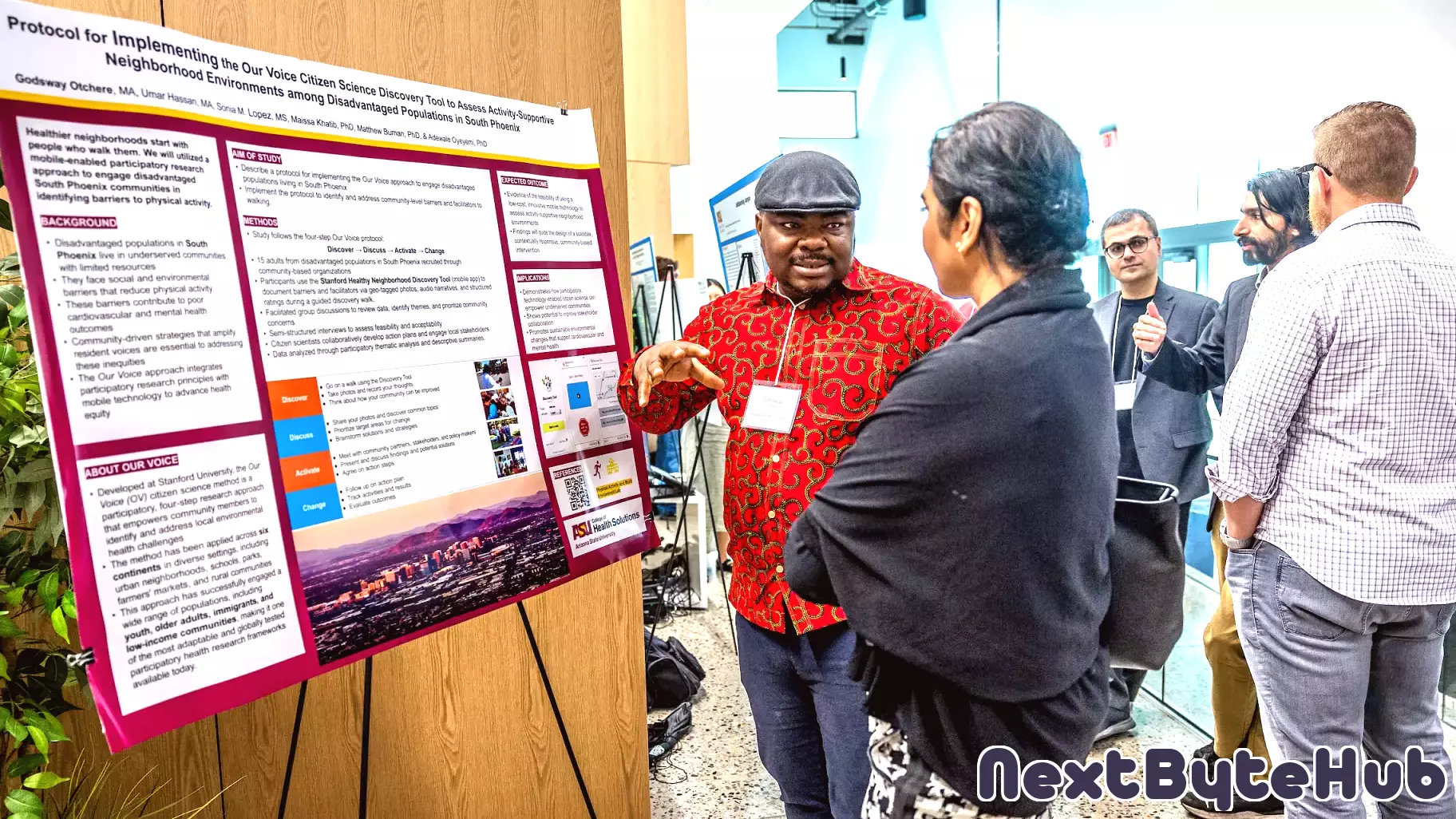
Deborah Estrin had barely started her talk at the second annual Arizona Digital Health Symposium when she put the central question to the crowd of roughly 200 people. How, she asked, can the medical field best use the flood of data coming from wearables, smartphone apps, and other digital devices to actually improve clinical care and make a real difference in patients' lives?
Her own answer came quickly and honestly. "It's so much easier said than done," she said.
That honest admission set the tone for the event, which focused on both the promise and the practical hurdles of digital health technology. On one hand, devices like smartwatches and continuous glucose monitors offer an unprecedented stream of real-time health data. They can track heart rhythms, sleep patterns, physical activity, and blood sugar levels in ways that were impossible just a few years ago. In theory, this information could help doctors spot problems earlier, tailor treatments to individual patients, and keep people healthier outside of the hospital.
But turning that raw data into useful clinical insight is a major challenge. The sheer volume of information can overwhelm physicians. There are also questions about data accuracy, patient privacy, and how to integrate these new streams into existing medical records and workflows. Without a clear system for analysis and action, the data risks becoming just noise.
Despite the difficulties, researchers and clinicians at the symposium expressed cautious optimism. They see digital tools as a way to shift medicine from a reactive model, where doctors only treat people after they get sick, to a more proactive one focused on prevention and early intervention. The key, they agreed, lies not in the technology itself, but in building the right frameworks to interpret the data and apply it in a meaningful way. The potential is there, but the hard work of making it practical has only just begun.
MORE NEWS
July 22, 2026 - 03:34
Paradigm shift in oncology: The emergence of point-of-care diagnostic technologyThe dream of getting cancer test results faster, more accurately, and at a lower cost is moving closer to reality. This shift is being driven by interdisciplinary teams who are rethinking how...

July 21, 2026 - 00:13
Cheaper AI models create more demand for technology, expert arguesThe rise of more affordable artificial intelligence models is not slowing down the technology sector but instead creating a wave of new demand, according to a market expert. Eric Jackson, founder...

July 20, 2026 - 06:30
Eva Live Announces LOI to Acquire Airbeam Wireless Technologies to Advance AI-Powered Autonomous and Millimeter-Wave CommunicationsEva Live Inc. has signed a Letter of Intent to purchase a 51% interest in Airbeam Wireless Technologies Inc., a deal valued at roughly $16 million. The acquisition is aimed at strengthening Eva...

July 19, 2026 - 19:12
The supercars and super sports cars utilizing electric power, hybrid technology, as well as gasolineThe roar of a V12 engine is not disappearing, but it is increasingly sharing the stage with the silent hum of electric motors. In recent years, the supercar world has undergone a major shift,...