Why Data Center Consolidation Is a Strategic Move for Enterprises
1 January 2026
In today's fast-paced digital world, businesses are handling massive amounts of data. Managing multiple data centers is not only costly but also complex. That's where data center consolidation comes in.
It’s like cleaning out a cluttered storage room—removing excess, organizing what’s necessary, and improving efficiency. For enterprises, this isn't just a cost-cutting measure; it’s a strategic move to enhance performance, improve security, and future-proof operations.
So, let’s dive into why data center consolidation should be on every enterprise’s radar.
What Is Data Center Consolidation?
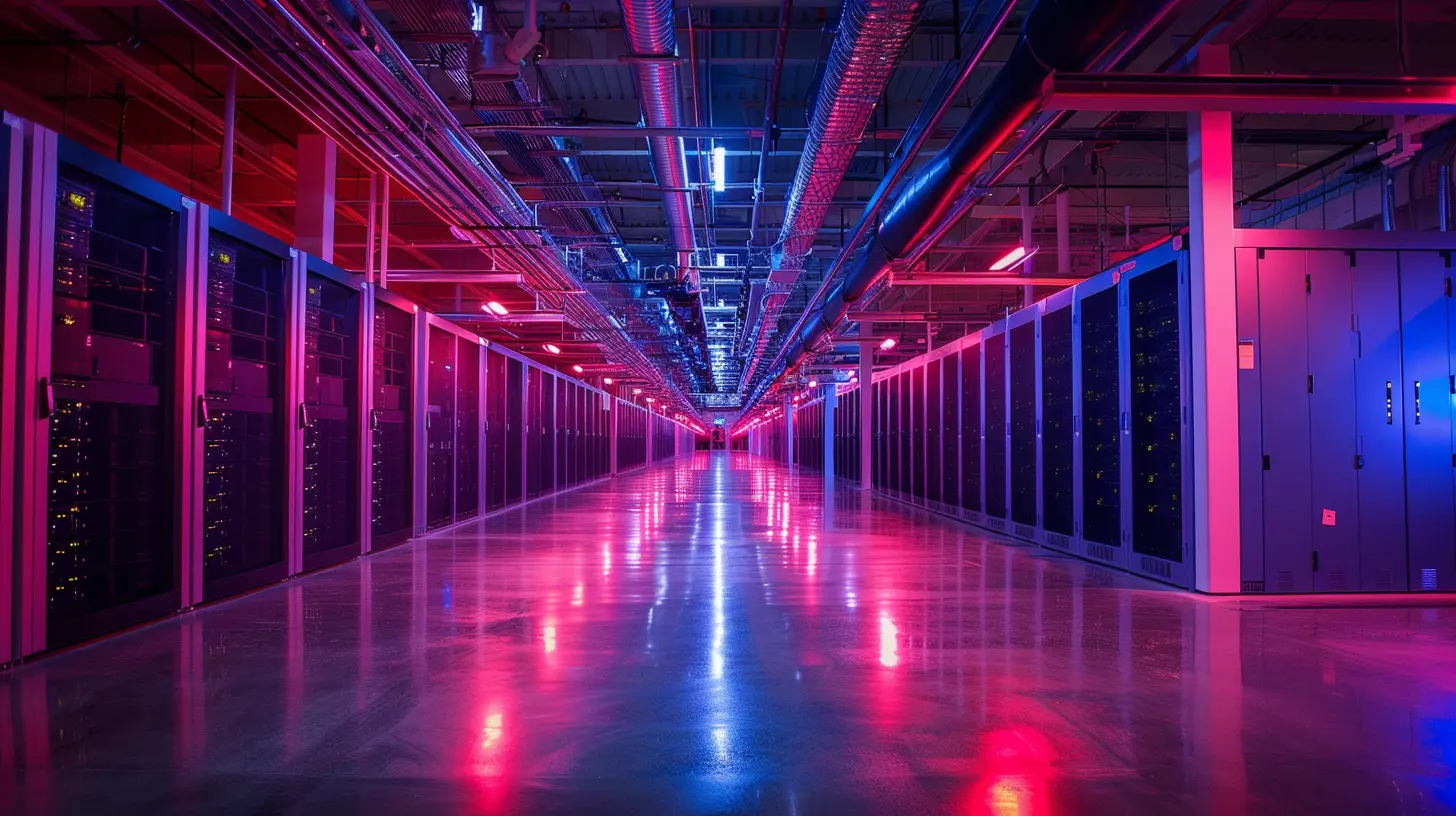
Before we get into the benefits, let’s clarify what data center consolidation actually means.In simple terms, it’s the process of reducing the number of data centers an enterprise operates by merging workloads, optimizing infrastructure, and leveraging modern technologies like cloud computing and virtualization.
Instead of managing multiple, scattered data centers, businesses consolidate resources into fewer, highly efficient facilities—or even move to a hybrid or fully cloud-based solution.
Now, you might be wondering: why should enterprises bother with consolidation? Let’s break it down.
The Strategic Benefits of Data Center Consolidation
1. Significant Cost Savings
Running multiple data centers is crazy expensive. Think about the costs involved:- Hardware procurement
- Energy consumption
- Software licensing
- Maintenance and support teams
By consolidating data centers, enterprises cut down on unnecessary expenses. They spend less on power, cooling, and physical space while optimizing resources, which translates to huge financial savings.
2. Better Resource Utilization
Many businesses over-provision their IT infrastructure to handle peak loads, leaving a lot of capacity unused most of the time. Data center consolidation helps organizations right-size their resources, ensuring they get the most out of their hardware and software investments.Instead of operating multiple underutilized servers across various locations, companies consolidate workloads onto fewer, more powerful machines. This leads to higher efficiency and lower costs.
3. Improved Security and Compliance
Security breaches are a nightmare for any enterprise. Managing multiple data centers makes security more complex and harder to monitor.By consolidating, businesses can:
✅ Centralize security controls
✅ Reduce the attack surface
✅ Enhance compliance with regulations like GDPR & HIPAA
✅ Implement standardized security measures
In short, fewer data centers mean fewer vulnerabilities to exploit.
4. Simplified IT Management
Running multiple data centers adds layers of complexity. IT teams have to juggle different systems, platforms, and vendors. By consolidating, enterprises can:- Simplify infrastructure management
- Reduce operational overhead
- Streamline IT workflows
Less complexity means faster troubleshooting, reduced downtime, and improved reliability. IT teams can focus on innovation rather than putting out fires.
5. Enhanced Scalability
Businesses are constantly evolving, and their IT needs must scale accordingly. Traditional data centers often struggle with rapid growth. Consolidation allows enterprises to:- Scale resources up or down as needed
- Adopt cloud-based solutions for flexibility
- Future-proof operations with scalable infrastructure
It’s like upgrading from a cramped apartment to a spacious house with room to expand.
6. Disaster Recovery and Business Continuity
Imagine if one of your data centers goes down due to a cyberattack, natural disaster, or unexpected outage. If your infrastructure is scattered, recovery can be slow and painful.Consolidation enables businesses to:
- Strengthen disaster recovery (DR) plans
- Utilize cloud-based backups
- Ensure business continuity with redundant systems
A centralized and well-optimized infrastructure means fewer weak points and a faster recovery process when things go south.
Key Technologies Enabling Data Center Consolidation
So, how do enterprises actually consolidate their data centers? Here are the key technologies driving this transformation:1. Virtualization
Virtualization allows companies to run multiple applications on fewer physical servers. This reduces hardware dependency, optimizes performance, and makes resource allocation more flexible.2. Cloud Computing
Many enterprises are moving workloads to the cloud to reduce reliance on physical data centers. Cloud-based solutions provide scalability, security, and cost-efficiency.3. Hyperconverged Infrastructure (HCI)
HCI combines computing, storage, and networking into a single, integrated system. This eliminates the need for separate components and simplifies IT management.4. Software-Defined Networking (SDN)
SDN automates network management, making it easier to configure, monitor, and secure enterprise networks—perfect for streamlined data center operations.5. Automation and AI
Automating repetitive tasks and using AI-driven analytics helps in optimizing workloads, managing resources, and predicting system failures before they happen.
Challenges of Data Center Consolidation (And How to Overcome Them)
While data center consolidation offers enormous benefits, it’s not without its challenges. Let’s address a few common roadblocks:1. Initial Costs and Downtime
Migrating workloads and optimizing infrastructure require upfront investment. Organizations also worry about downtime during the transition.Solution:
- Conduct detailed cost-benefit analysis beforehand
- Use phased migration strategies to minimize disruption
- Leverage hybrid cloud models for a smoother transition
2. Data Migration Complexity
Transferring data between data centers or to the cloud can be a logistical nightmare.Solution:
- Use automated migration tools
- Implement data deduplication techniques
- Work with experienced migration specialists
3. Security Concerns
Consolidation requires strong security measures to prevent data breaches and cyberattacks.Solution:
- Deploy zero-trust security models
- Encrypt sensitive data
- Regularly audit access controls and compliance
Final Thoughts
Data center consolidation isn’t just a cost-saving tactic—it’s a strategic move that enhances efficiency, security, and scalability. In an era where businesses rely heavily on data-driven decision-making, having a streamlined, reliable, and future-ready IT infrastructure is non-negotiable.By embracing consolidation, enterprises can optimize operations, reduce costs, and stay ahead in the competitive digital landscape.
So, if your business is still juggling multiple inefficient data centers, it’s time to rethink your strategy and consider consolidation. After all, less is more when it comes to IT efficiency.
all images in this post were generated using AI tools
Category:
Data CentersAuthor:

Reese McQuillan
Discussion
rate this article
2 comments
Naomi Matthews
Data center consolidation represents a pivotal strategy for enterprises seeking efficiency and cost savings. By streamlining resources and enhancing scalability, organizations can not only reduce operational expenses but also improve agility. This strategic move positions companies to better adapt to evolving market demands while fostering innovation and sustainable growth.
January 19, 2026 at 3:30 AM
Reese McQuillan
Thank you for your insightful comment! Indeed, data center consolidation is essential for enhancing efficiency and adaptability, ultimately driving innovation and sustainable growth.
Eliana Ramirez
Great insights! Embracing data center consolidation is like decluttering your digital space—less mess, more efficiency! It’s a smart strategy for enterprises looking to streamline operations and boost performance. Keep up the fantastic work!
January 9, 2026 at 12:45 PM
Reese McQuillan
Thank you! I’m glad you found the insights valuable. Embracing consolidation truly can make a significant difference in efficiency and performance!