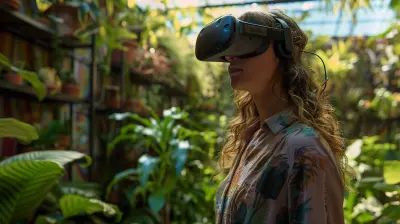
What Is the Metaverse and How Can You Explore It in 2026
29 April 2026
You’ve probably heard the word “metaverse” thrown around like confetti at a tech conference. Maybe it conjures images of people wearing clunky VR headsets, stumbling over coffee tables in their living rooms. Or perhaps you think it’s just another buzzword that will fizzle out like 3D TVs. But here’s the thing: by 2026, the metaverse isn’t some distant sci-fi fantasy—it’s a living, breathing digital ecosystem that’s already reshaping how we work, play, shop, and connect. And the best part? You don’t need a PhD in computer science or a bank account full of crypto to jump in.
So, what exactly is the metaverse in 2026? Let’s peel back the layers, ditch the jargon, and get real about this digital frontier. Then, I’ll walk you through exactly how you can explore it today—without feeling like you’re lost in a virtual maze.

The Metaverse in 2026: More Than Just a Fancy Video Game
Imagine the internet, but instead of staring at a flat screen, you step inside it. That’s the metaverse in a nutshell. It’s a persistent, shared, 3D virtual space where you can interact with other people, digital objects, and even real-world data in real time. Think of it as the love child of the internet, virtual reality (VR), augmented reality (AR), and blockchain technology—raised by a community of developers, creators, and everyday users.But by 2026, the metaverse has matured beyond the clunky, laggy experiments of 2021. Remember when Facebook rebranded to Meta and everyone thought we’d all be living in a cartoonish digital world by 2023? Yeah, that didn’t happen. Instead, the metaverse evolved quietly, like a slow-burning wildfire. Today, it’s less about a single “place” and more about an interconnected web of experiences. You can hop from a virtual concert in Decentraland to a business meeting in Spatial, then grab a coffee in a mixed-reality café that blends your kitchen with a digital Parisian street.
The key shift in 2026? Interoperability. Early metaverse platforms were walled gardens—you couldn’t take your avatar’s cool jacket from one world to another. Now, thanks to open standards and blockchain-based digital identities, your virtual belongings, reputation, and even your avatar can travel across platforms. It’s like having a passport for the digital realm.

Why Should You Care? (Spoiler: It’s Not Just for Gamers)
You might be thinking, “I don’t play video games. Why does this matter to me?” Fair question. But the metaverse in 2026 isn’t about gaming—it’s about presence. It’s about being somewhere without physically being there.Think about the last time you had a Zoom call. You probably felt that weird disconnect—talking to a grid of faces, awkward silences, and the urge to check your email. Now imagine a virtual office where you can walk up to a colleague’s desk, tap them on the shoulder (virtually, of course), and chat. Or a classroom where you can dissect a 3D frog without the smell of formaldehyde. Or a shopping mall where you can try on clothes with your actual body measurements, not a generic mannequin.
In 2026, the metaverse is already being used for:
- Remote work collaboration that feels more natural than video calls.
- Virtual real estate where architects and designers showcase properties before they’re built.
- Healthcare—therapists are running group sessions in calming virtual environments.
- Education—students explore ancient Rome or the human bloodstream in immersive 3D.
- Social connection—grandparents attend their grandchild’s birthday party as a hologram.
It’s not about escaping reality; it’s about augmenting it. The metaverse is a tool, not a destination.
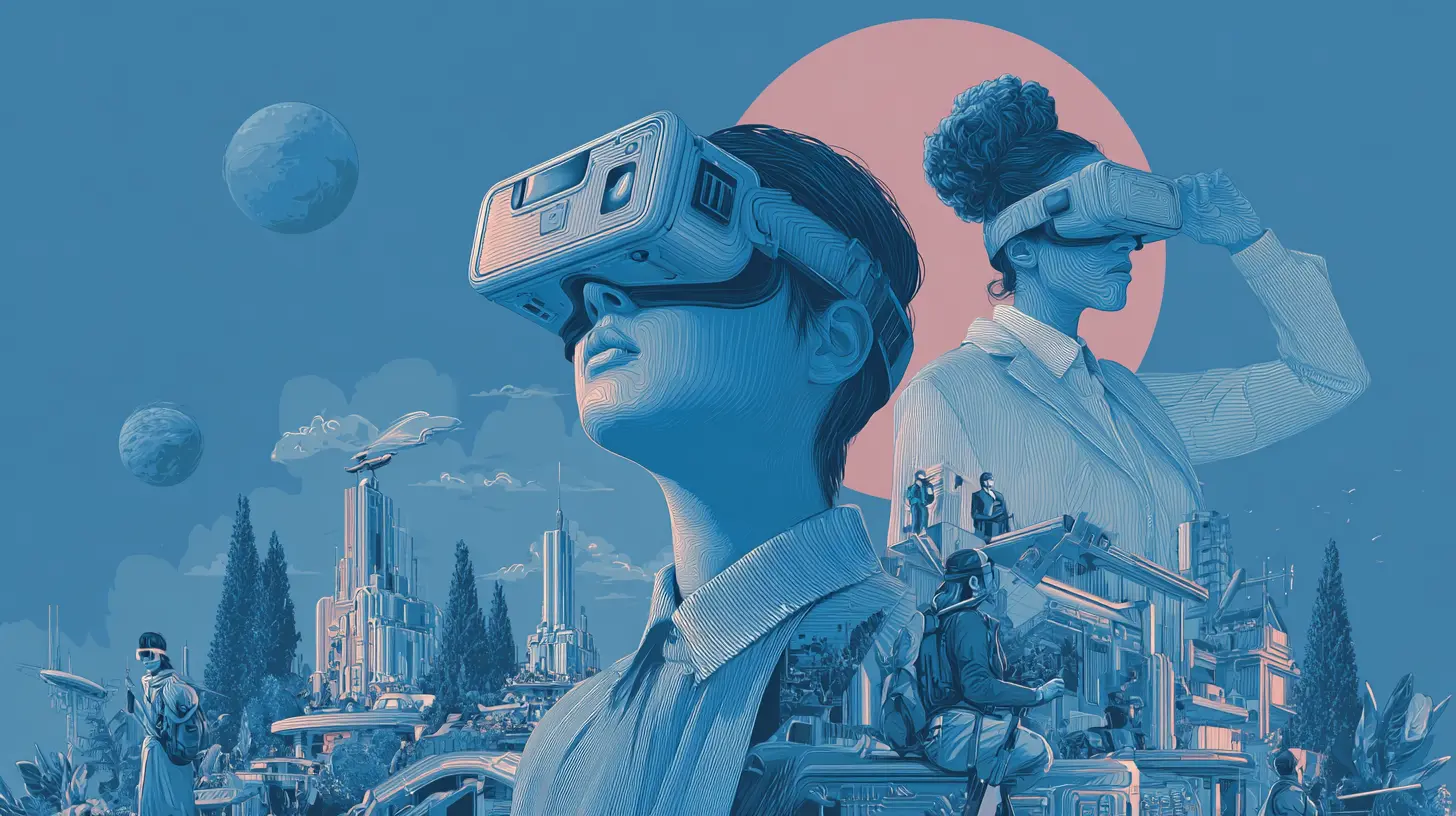
How to Explore the Metaverse in 2026: A Practical Guide
Alright, enough theory. Let’s get your feet wet—or should I say, your digital toes dipped into the virtual ocean. Here’s a step-by-step, no-BS guide to exploring the metaverse right now, without breaking the bank or your brain.Step 1: Choose Your Gateway – Hardware That Won’t Collect Dust
You don’t need a $3,000 VR headset to start. In 2026, the hardware landscape is diverse and surprisingly affordable.- The Budget Option: Your Smartphone or Tablet. Many metaverse platforms now run directly on mobile devices. Apps like VRChat, Spatial, and Rec Room let you explore in 2D mode (like a video game) or use your phone as a makeshift VR viewer. It’s not as immersive, but it’s free and gives you a taste.
- The Mid-Range Sweet Spot: Standalone VR Headsets. The Meta Quest 3 (or its 2026 successor) is the go-to. It’s wireless, doesn’t need a PC, and costs around $500. You can play, work, and socialize without tripping over cables. Think of it as the Nintendo Switch of VR—accessible and fun.
- The Premium Experience: PC VR or Mixed Reality Glasses. If you have a powerful gaming PC, headsets like the Valve Index or HP Reverb G2 offer higher fidelity. But the real game-changer in 2026 is mixed reality (MR) glasses like the Apple Vision Pro 2 or Meta Quest Pro 2. These blend digital objects with your real environment. Imagine seeing a virtual weather forecast floating above your actual kitchen table. That’s MR.
Pro tip: Don’t buy the cheapest headset you find. A used Quest 2 is fine for testing, but the newer models have better resolution and hand-tracking, which makes the experience less nauseating.
Step 2: Pick Your First Destination – The Best Metaverse Platforms in 2026
The metaverse isn’t one place—it’s a multiverse of platforms. Here are the most practical ones to start with:- VRChat (Free, All Platforms): The chaotic, user-generated playground. It’s like the YouTube of virtual worlds—anyone can create an avatar or a room. You’ll find everything from serene beaches to insane dance clubs. It’s the best place to meet random people and get a feel for social VR.
- Decentraland (Free, Browser-Based): A blockchain-powered world where you can buy virtual land, attend concerts, and visit art galleries. You don’t need crypto to explore, but owning a piece of it is a whole different rabbit hole. Think of it as the digital version of owning a Times Square billboard.
- Spatial (Free, Works on Phones and VR): This is the professional’s choice. It’s designed for meetings, presentations, and collaborative design. You can import 3D models, share screens, and even use your own office as a backdrop via passthrough AR. It’s like Zoom, but you can actually high-five your coworker.
- Horizon Worlds (Meta Quest Only): Meta’s flagship social platform. It’s polished, safe (moderated), and full of mini-games, movie nights, and live events. It’s the Disneyland of the metaverse—clean, fun, but a bit corporate.
- Somnium Space (PC VR, Standalone Soon): If you’re into creativity and building, this is your jam. It’s a persistent world where you can build houses, create art, and even program interactive objects. It’s like Minecraft meets Second Life, but with better graphics.
My advice: Start with VRChat on your phone or Quest. Spend 30 minutes just wandering. Don’t talk to anyone at first—just observe. You’ll quickly understand the vibe.
Step 3: Create Your Avatar – Your Digital You
Your avatar is your virtual body. In 2026, you’re not stuck with a cartoonish floating torso. Most platforms let you customize everything: height, body shape, skin color, clothing, even your walk cycle.- Use a ready-made avatar from the platform’s library (free).
- Upload a custom 3D model if you’re handy with Blender or use tools like Ready Player Me to scan your face and body from a selfie.
- Buy premium avatars on marketplaces like OpenSea or Sketchfab—some are incredibly detailed, with realistic hair and clothing physics.
Pro tip: Make your avatar look slightly like you. It helps your brain feel more present. Also, avoid overly flashy avatars—they can be laggy and make you look like a noob.
Step 4: Learn the Etiquette – Don’t Be That Person
The metaverse has its own social rules. Here’s the crash course:- Personal space matters. In VR, people have a “bubble” around them. Don’t walk through another avatar—it’s creepy.
- Mute your mic when not talking. Background noise is amplified in 3D audio.
- Don’t touch people without consent. Yes, virtual groping is a real problem. Most platforms have a “block” feature. Use it.
- Be respectful of creators. If you’re in a user-built world, don’t break things or spam.
- Use gestures. A simple wave or thumbs-up goes a long way in building rapport.
Think of it like visiting a foreign country. You wouldn’t walk into someone’s house and start rearranging their furniture. Same rule applies here.
Step 5: Dive Into Experiences – What to Actually Do
Once you’re in, don’t just stand there. Here are five things to try in your first week:1. Attend a live event. Platforms like Wave and Fortnite (yes, it’s metaverse-adjacent) host concerts with real artists. In 2026, you can watch a DJ set from your living room while dancing with thousands of strangers.
2. Take a virtual tour. Use Google Earth VR or Mona to explore 3D recreations of real cities, museums, or even Mars. It’s like a field trip without the bus ride.
3. Join a class or workshop. Platforms like Engage and Virbela offer free courses on everything from coding to yoga. You can learn a new skill while sitting on a virtual beach.
4. Build something. In Rec Room or Somnium Space, you can create your own mini-game or house. It’s surprisingly therapeutic.
5. Go shopping. Brands like Nike, Gucci, and IKEA have virtual stores where you can try on sneakers or see how a sofa looks in your actual room (via AR). No checkout line, no returns.
Step 6: Stay Safe – The Dark Side of the Metaverse
I’d be lying if I said it’s all rainbows and digital unicorns. The metaverse has its share of trolls, scammers, and privacy risks. Here’s how to protect yourself:- Use a VPN when accessing blockchain-based platforms.
- Never share your real name, address, or financial info in public spaces.
- Enable privacy settings—most platforms let you block voice chat, hide your location, or set your avatar to “invisible.”
- Beware of “free” NFT drops. They’re often phishing attempts.
- Take breaks. VR can cause eye strain and motion sickness. The 20-20-20 rule (every 20 minutes, look at something 20 feet away for 20 seconds) applies here too.
Think of the metaverse like a big city. It’s exciting, but you wouldn’t walk down a dark alley at 3 AM without being alert.

The Future Is Already Here – What’s Next After 2026?
By 2026, the metaverse is still in its adolescence. We’re seeing the first true signs of a unified digital economy—where you can earn a living as a virtual architect, a 3D fashion designer, or a metaverse tour guide. Haptic gloves are becoming affordable, letting you “feel” virtual objects. And brain-computer interfaces (like Neuralink’s early trials) are starting to blur the line between thought and action.But the real magic? It’s not the technology. It’s the connection. In a world where we’re increasingly isolated, the metaverse offers a weird, wonderful way to be together—even when we’re apart.
So, are you ready to take the plunge? The metaverse in 2026 isn’t a waiting room for the future. It’s a living, breathing space that’s already open for business. All you need is a headset (or just your phone), a bit of curiosity, and the willingness to say “hello” to a stranger in a digital world.
See you in there.
all images in this post were generated using AI tools
Category:
Technology GuidesAuthor:

Reese McQuillan
Discussion
rate this article
2 comments
Zina Rios
The Metaverse in 2026 promises immersive experiences; exploring it requires curiosity and technological adaptability.
May 8, 2026 at 3:40 AM
Reese McQuillan
Absolutely, curiosity and adaptability will be key as the Metaverse evolves. Exciting times ahead!
Carter Edwards
As we stand on the brink of a fully immersive metaverse in 2026, we must ponder not just how we explore this digital frontier, but what it means for our humanity. Will we find connection or isolation within these virtual realms? The technology is evolving; our ethical reflection must evolve with it.
April 29, 2026 at 3:29 AM