Voice Assistants and Smart Displays: A Match Made in Tech Heaven
23 June 2026
Technology has a remarkable way of weaving itself into our daily lives, making everything more convenient, efficient, and sometimes even fun. One of the most revolutionary pairings in recent years is that of voice assistants and smart displays. Together, they’ve transformed how we interact with our devices, manage our homes, and access information. But what makes this combination so powerful? And why is it gaining so much traction? Let’s dive in.
The Rise of Voice Assistants
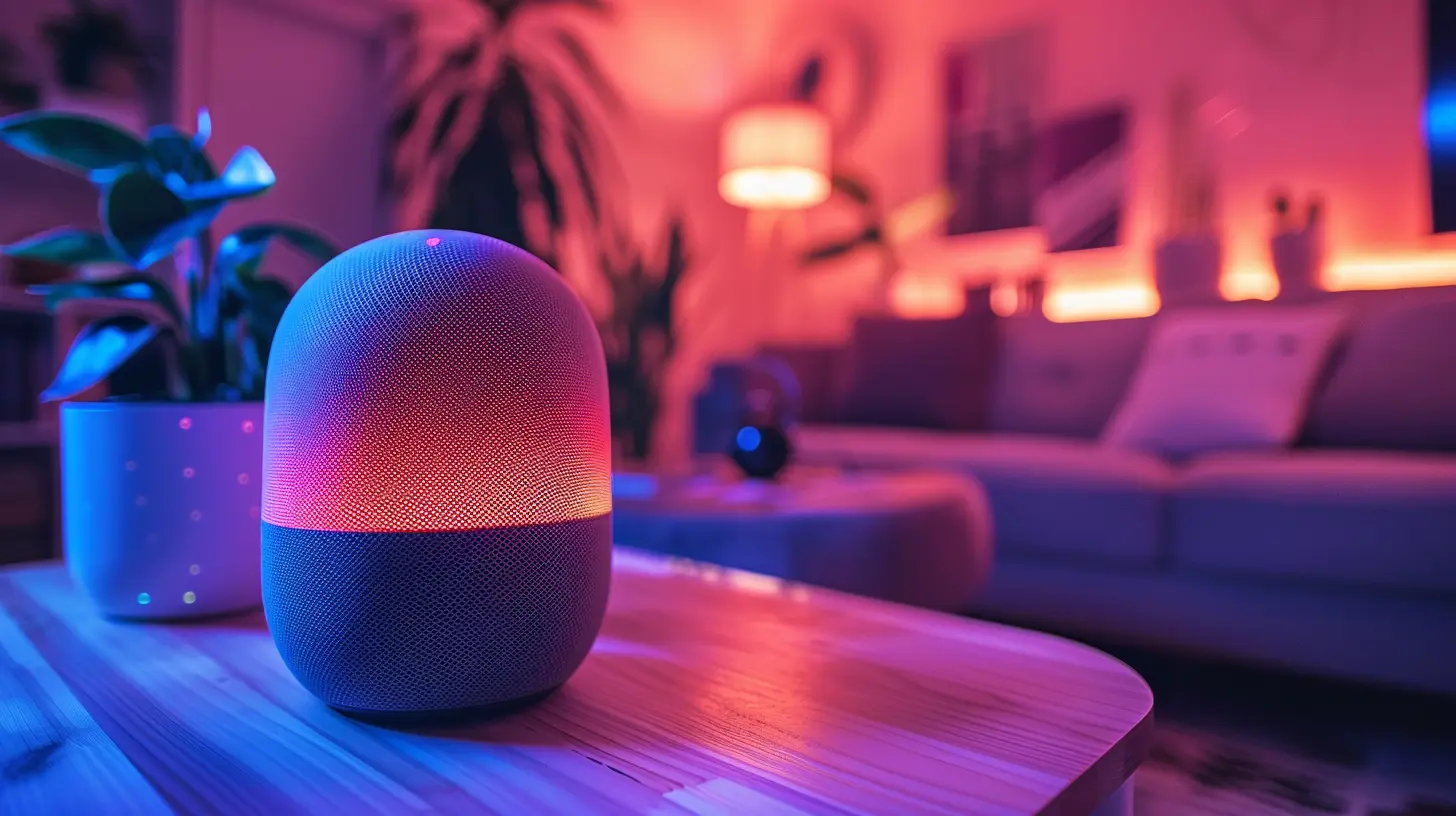
Voice assistants have been around for a while, but they really took off with the introduction of smart speakers like Amazon Echo, Google Nest, and Apple HomePod. These AI-powered helpers, such as Alexa, Google Assistant, and Siri, have made life easier by handling tasks like setting reminders, answering questions, and even controlling smart home devices—all through simple voice commands.But while voice assistants were impressive, they had one major limitation: they lacked a visual component. Sure, they could tell you the weather forecast, but what if they could also show you the radar map? That’s where smart displays come in.
What Are Smart Displays?
Smart displays are essentially smart speakers with touchscreen interfaces. They offer all the voice assistant capabilities you love but add a visual element that makes interactions smoother and more intuitive. Think of them like a digital assistant with a face—one that can show you search results, play videos, and display step-by-step cooking instructions while you're in the kitchen.Some of the most popular smart displays include:
- Amazon Echo Show (powered by Alexa)
- Google Nest Hub (powered by Google Assistant)
- Lenovo Smart Display (also using Google Assistant)
- Facebook Portal (designed for video calls with Messenger and WhatsApp)
With a smart display, the possibilities expand significantly, making them an ideal companion for voice assistants.
Why Voice Assistants and Smart Displays Work So Well Together
1. The Perfect Blend of Voice and Visuals
Imagine asking for a recipe while cooking. A voice assistant alone can read out the steps, but a smart display can show you each step visually, complete with instructional videos. This combination of spoken and visual information enhances user experience, making it easier to follow along.2. Enhanced Smart Home Control
Controlling smart home devices through voice commands is convenient, but sometimes it's helpful to see what's happening. With a smart display, you can:- View live feeds from security cameras
- Adjust smart lighting and thermostats with on-screen controls
- Check who’s at the door using a connected video doorbell
Instead of relying solely on voice commands, you get a fully interactive dashboard that provides more control and clarity.
3. Seamless Video Calling and Communication
One of the standout features of smart displays is their ability to handle video calls. Platforms like Google Duo, Zoom, and Messenger integrate effortlessly, allowing you to have face-to-face conversations without needing to pick up your phone or open a laptop.And because these devices are hands-free, multitasking becomes a breeze. You can chop vegetables, fold laundry, or sip your morning coffee—all while chatting with friends and family.
4. Entertainment On Another Level
Whether you’re watching a YouTube tutorial, streaming your favorite Netflix show, or listening to a podcast, smart displays bring entertainment to life. The advantage? You can go from listening to watching in an instant.For example, if you're listening to a song and want to check out the music video, a simple voice command can bring it up on the screen. It’s a more immersive experience overall.
5. Better Shopping Experience
Let’s be honest—shopping via smart speakers has been a bit of a hit-or-miss experience. Without visuals, you’re relying entirely on audio descriptions, which isn’t always ideal.With a smart display, however, you can see product images, compare prices, and even watch review videos before completing your purchase. This makes shopping smarter, more efficient, and a lot less frustrating.

Use Cases: How People Are Benefiting from This Tech Duo
Now that we’ve covered why this combination is so effective, let’s look at some real-life ways people are using voice assistants and smart displays together.1. The Ultimate Kitchen Assistant
Cooking just got easier. With a smart display, you can:- Follow along with video recipes
- Convert measurements instantly
- Set multiple timers hands-free
- Ask for nutritional facts and substitution tips
No more fumbling with sticky hands to scroll through your phone!
2. A Smarter Home Office
Working from home? A smart display can keep you on track with:- Voice-activated calendar reminders
- Quick weather and traffic updates
- Hands-free video conferencing
It’s like having a personal assistant who keeps you organized without distractions.
3. A Digital Babysitter (Sort Of)
Parents have found smart displays useful for keeping kids entertained with:- Storytime features
- Educational videos
- Fun games and activities
And with parental controls, you can ensure they access only age-appropriate content.
4. A Hands-Free Fitness Coach
Trying to stay active? A smart display can guide you through:- Workout routines
- Yoga sessions
- Meditation exercises
It’s like having a mini personal trainer, minus the gym fees.
Privacy Concerns: Are Smart Displays Safe?
While voice assistants and smart displays bring undeniable convenience, they also raise important privacy questions. Since these devices use microphones (and sometimes cameras), some users worry about data security.How to Stay Secure
If privacy is a concern, here are some steps you can take:- Turn off microphones and cameras when not in use
- Adjust privacy settings to limit data collection
- Regularly review stored commands and delete recordings
- Use physical camera covers for extra security
Most major brands have stepped up their security measures, but it’s always wise to take precautions.
The Future of Voice Assistants and Smart Displays
This tech pairing isn’t going anywhere anytime soon. As AI and machine learning continue to advance, we’ll likely see even smarter, more intuitive interactions. Expect improvements in:- More natural conversations with voice assistants
- Personalized recommendations based on usage patterns
- Better integration with third-party apps and services
- Enhanced security features to address privacy concerns
We’re just scratching the surface of what’s possible with voice assistants and smart displays. The future is bright—and voice-activated.
Final Thoughts
Voice assistants and smart displays are a perfect match, enhancing how we interact with technology in our homes, offices, and everyday lives. Whether you're managing your smart home, staying productive, or just enjoying entertainment hands-free, this duo makes life more seamless than ever.With continued innovation on the horizon, it’s safe to say that voice assistants and smart displays are here to stay. If you haven’t already jumped on the bandwagon, now might be the time—because the future of tech is both seen and heard.
all images in this post were generated using AI tools
Category:
Smart DisplaysAuthor:

Reese McQuillan