Using Augmented Reality Tools in Education by 2027
25 April 2026
Picture this: you’re sitting in a biology class, and instead of staring at a flat diagram of the human heart, you hold up your tablet. Suddenly, a three-dimensional, beating heart floats right in front of your face. You can spin it, zoom into its chambers, and watch blood pump through arteries in real-time. Sounds like sci-fi, right? Well, by 2027, this won’t be a novelty—it’ll be your Tuesday morning lesson. Augmented reality (AR) is crashing into education like a glitter bomb, and it’s about to rewrite how we learn, teach, and even think about knowledge.
But here’s the kicker: most people still think AR is just for Pokémon GO or Instagram filters. That’s like saying the internet is only for cat memes. We’re on the cusp of a quiet revolution, one that’s less about flashy gadgets and more about fundamentally rewiring our brains. So, let’s pull back the curtain. By 2027, AR tools won’t just be “nice to have”—they’ll be the backbone of classrooms, from kindergarten to med school. Why? Because they solve a problem that textbooks have failed at for centuries: making the invisible visible.
The Invisible Becomes Tangible: Why AR Breaks the Mold
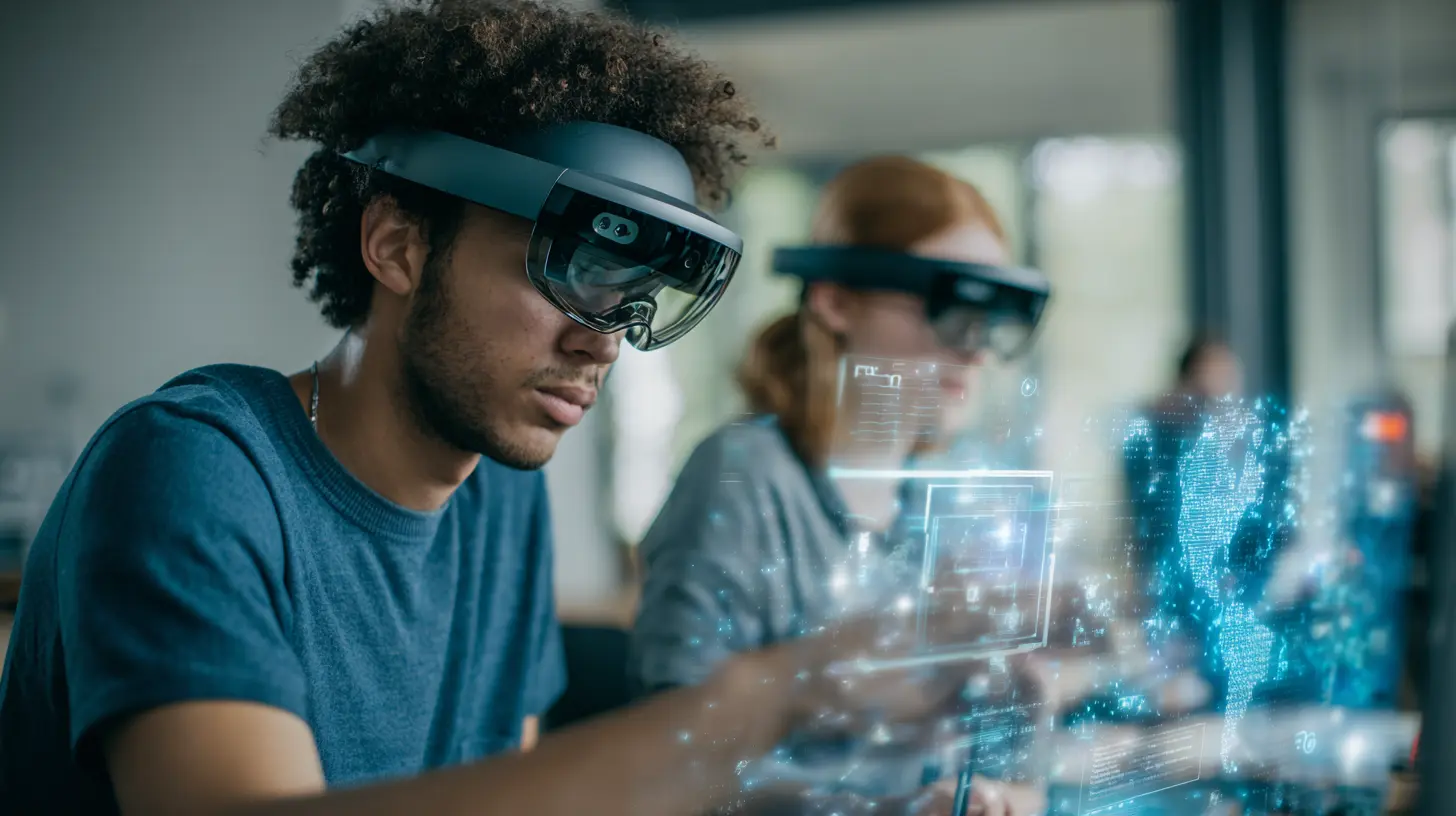
Let’s be honest—traditional education is stuck in a rut. You’ve got a teacher talking, a student zoning out, and a textbook that looks like it was printed in 1987. The problem isn’t the content; it’s the delivery. Humans learn by doing, touching, and seeing. But schools often turn learning into a passive experience—like watching a cooking show instead of actually baking the cake.AR flips this script. It layers digital information onto the physical world, turning abstract concepts into tangible experiences. Imagine a history class where you point your phone at a battlefield and see Roman soldiers marching across the grass. Or a physics lesson where you “grab” a virtual pendulum and adjust its length to see how gravity changes the swing. By 2027, AR will make these moments routine. Why? Because technology is finally cheap enough, fast enough, and intuitive enough to scale.
Consider this: the global AR in education market is projected to hit over $5 billion by 2027. That’s not hype—that’s investment in infrastructure, apps, and training. Schools are already piloting AR for subjects like anatomy, where dissection apps let students “cut” into virtual frogs without the formaldehyde smell. But the real magic happens when AR becomes a two-way street. Students won’t just consume content; they’ll create it, manipulate it, and even collaborate in shared AR spaces.
The 2027 Classroom: A Sneak Peek Behind the Curtain
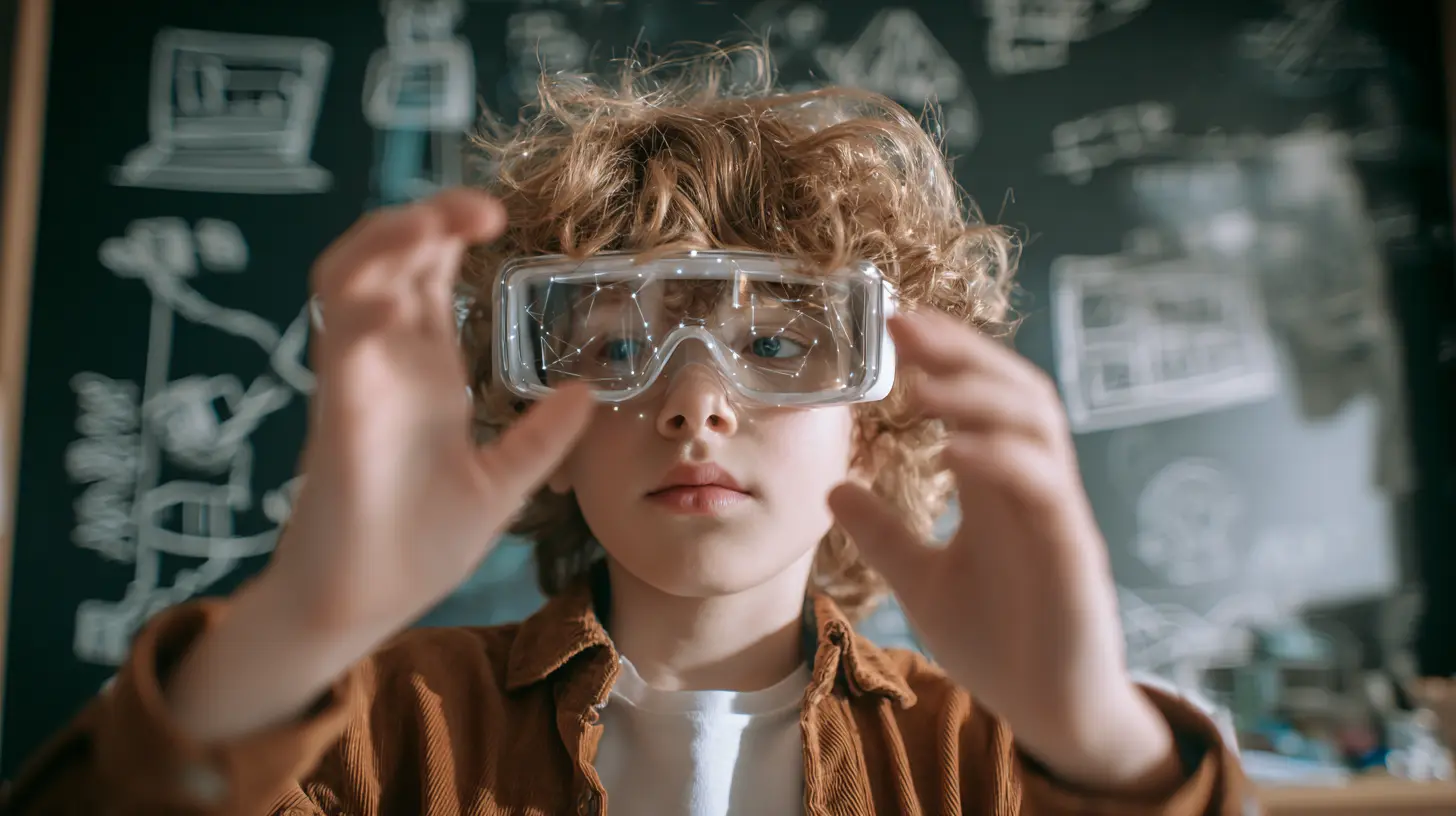
What does a typical Tuesday look like in 2027? Let me paint you a picture. You walk into a classroom that looks… surprisingly normal. Desks, chairs, a whiteboard. But then you notice the students aren’t staring at screens—they’re wearing lightweight AR glasses that look like stylish reading specs. No bulky headsets. No tangled cords. Just a subtle overlay of data on the world.The teacher, Ms. Rivera, says, “Okay, team, let’s explore the solar system today.” She taps her own glasses, and suddenly, the ceiling transforms into a starry night sky. Planets orbit above your heads. You can reach out and “touch” Saturn’s rings, which feel like haptic feedback on your fingertips. A student asks, “How big is Jupiter compared to Earth?” Ms. Rivera nods, and a transparent, glowing Jupiter appears next to a tiny blue dot. The scale is jaw-dropping.
But here’s the twist: AR in 2027 isn’t just about visuals. It’s about interactivity and personalization. The system tracks your gaze, your questions, and even your confusion. If you stare at a concept too long, the AR whispers an explanation in your ear. If you’re bored, it offers a challenge. It’s like having a tutor that knows you better than you know yourself. And because it’s all data-driven, the teacher can see in real-time who’s struggling and who’s ready to move on.
The Hidden Power of AR: Why It’s More Than Just “Cool”
Let’s get one thing straight: AR isn’t a gimmick. It’s a cognitive tool that plays to our evolutionary strengths. Humans evolved to process spatial information—we’re wired to navigate caves, track animals, and remember where the berries grow. But schools force us to learn through text and numbers, which are relatively new inventions. AR bridges that gap by presenting information in a way our brains naturally absorb.Think of it like this: a textbook is a map. AR is the actual terrain. You can’t truly understand a mountain by looking at a contour line. You need to hike it, feel the incline, and see the view from the top. By 2027, AR will let students “hike” through complex subjects. Chemistry? You’ll watch molecules bond like dancers in a ballet. Literature? You’ll stand inside a virtual recreation of 19th-century London while reading Dickens. The context becomes the content.
This isn’t just speculation. Studies from 2023 and 2024 show that students using AR for STEM subjects retain information 30% longer and solve problems 40% faster than those using traditional methods. Why? Because AR triggers multiple senses. You’re not just reading about friction—you’re seeing it, hearing it, and feeling it via haptic gloves. Your brain creates richer, more durable memories.
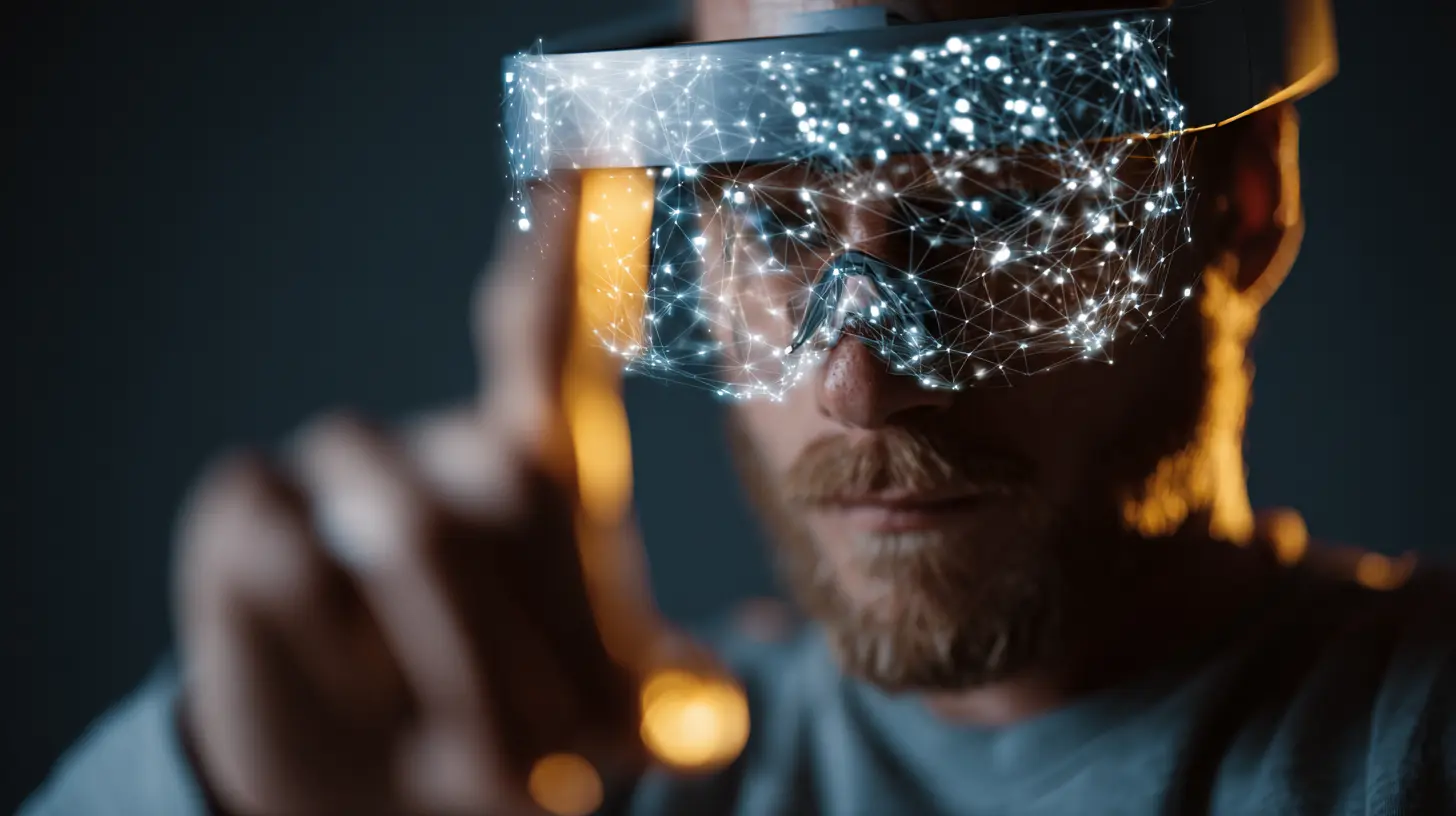
The Elephant in the Room: Will AR Replace Teachers?
Hold on—before you panic, let me address the big fear: “Will AR make teachers obsolete?” Absolutely not. In fact, the opposite is true. AR will free teachers from being “content delivery machines” and let them become what they should be: mentors, coaches, and facilitators. No more standing at the front of the room, droning through slides. Instead, teachers will guide students through immersive experiences, answer deeper questions, and spark curiosity.Imagine a history teacher who can say, “Let’s walk through the Colosseum in 80 AD,” and the AR brings it to life. The teacher’s role shifts to interpreting, connecting dots, and asking, “Why do you think the Romans built it this way?” The technology handles the “what,” while the teacher handles the “why.” By 2027, the best teachers won’t be the ones with the most knowledge—they’ll be the ones who can orchestrate these AR experiences most effectively.
But here’s the dark side: not all schools will have access. The digital divide could widen if AR tools remain expensive. A school in Silicon Valley might have holographic chemistry sets, while a rural school in Mississippi still uses chalkboards. That’s a real problem. The key is open-source AR platforms and low-cost glasses. Companies like Meta and Apple are racing to make AR hardware affordable, but equity must be a priority. Otherwise, AR could become another tool that benefits the privileged.
The Curriculum of 2027: Subjects You Never Knew You Needed
By 2027, AR will reshape what we teach. Forget memorizing dates and formulas. The curriculum will focus on skills that AR enhances: spatial reasoning, systems thinking, and collaborative problem-solving. For example:- Medical Training: Surgeons will practice complex procedures on AR-generated patients, complete with realistic bleeding and tissue resistance. No cadavers needed. By 2027, medical students might perform their first “virtual surgery” before they ever touch a real scalpel.
- Engineering: Students will build bridges in AR, testing how they hold up under virtual earthquakes. They’ll see stress points glow red and adjust their designs in real-time. Failure becomes a learning tool, not a grade.
- Art and Design: Imagine a sculpture class where you mold clay in mid-air using AR tools. Your creations exist in the digital space, but you can “feel” their texture through haptic feedback. It’s like playing with virtual Play-Doh, but the results are gallery-worthy.
- Language Learning: You’ll walk through a virtual market in Tokyo, talking to AR-generated shopkeepers who respond to your Japanese. They’ll correct your grammar with a smile. The immersion is total.
But here’s the twist: AR will also teach soft skills. Conflict resolution? You’ll role-play a tense negotiation with an AI-driven avatar that reads your body language. Public speaking? You’ll practice in front of a virtual audience that reacts realistically—nervous coughs, bored stares, or enthusiastic applause. By 2027, AR won’t just teach facts; it’ll teach empathy, resilience, and adaptability.
The Technical Juggernaut: How AR Tools Will Actually Work
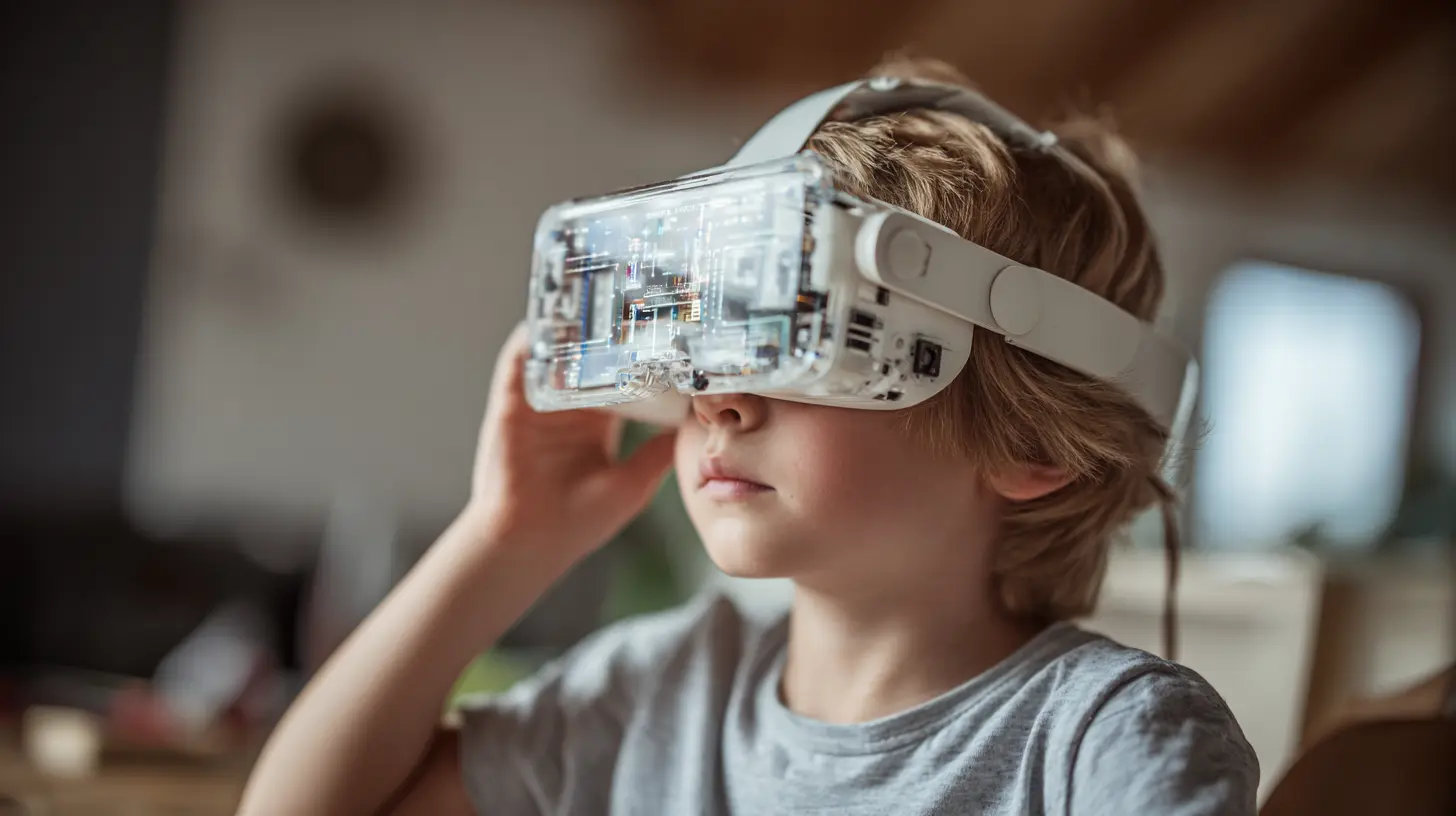
You might be wondering, “How does this all work under the hood?” By 2027, the tech stack will be seamless. Here’s the breakdown:- Hardware: Lightweight AR glasses with eye-tracking, spatial audio, and 5G connectivity. Think of them as your personal learning companion. They’ll cost around $300—comparable to a mid-range tablet.
- Software: AI-powered AR engines that adapt to your learning style. They’ll use machine learning to predict what you’ll misunderstand and offer preemptive hints. It’s like having a crystal ball for your brain.
- Content: Open educational resources (OER) in AR format. Teachers will download “experiences” like apps today. Want to teach the water cycle? Download the “Rainmaker AR” module. It’ll rain virtual drops on your desk.
But there’s a catch: battery life. Right now, AR glasses drain power fast. By 2027, expect all-day battery thanks to new solid-state technology. Also, privacy concerns will be huge. These glasses will track your eye movements, attention span, and even emotional state. Schools will need strict policies to prevent data misuse. Imagine a teacher getting a report that says, “Student X looked bored 80% of the time.” That’s creepy if not handled ethically.
The Skeptic’s Corner: What Could Go Wrong?
I’m not here to sell you a utopia. AR in education has real risks. First, distraction. If your glasses can show a virtual solar system, they can also show TikTok. Schools will need to lock down AR devices during lessons, but kids are clever. By 2027, expect a cat-and-mouse game between AR filters and school firewalls.Second, health issues. Staring at overlays for hours could cause eye strain, headaches, or even “AR sickness” (like motion sickness). Companies are working on low-latency displays to reduce nausea, but it’s not perfect. Some students might need to use AR in short bursts, which could disrupt flow.
Third, the “wow factor” fade. Remember when PowerPoint was exciting? Now it’s a snooze. AR could suffer the same fate if teachers overuse it. The novelty will wear off by 2027, and we’ll need to use AR strategically, not gratuitously. A virtual dinosaur is cool for five minutes, but it won’t replace deep thinking.
The Human Element: Why You’ll Still Need a Pencil
Here’s a controversial take: by 2027, AR won’t kill paper. In fact, some studies suggest that writing by hand improves memory retention. AR might augment, but it won’t replace, the tactile act of scribbling notes. The best classrooms will blend analog and digital. You’ll draw a diagram on paper, then scan it with your glasses to see it animate. The line between physical and digital blurs.Also, don’t underestimate the power of silence. AR is immersive, but constant stimulation can be exhausting. By 2027, educators will learn to schedule “offline” moments—no glasses, no overlays, just thinking. The magic of AR isn’t that it’s always on, but that it’s there when you need it.
The Final Frame: What You Should Do Right Now
So, where does this leave you? If you’re a teacher, start experimenting with free AR apps like Merge Cube or Google’s ARCore. If you’re a student, push your school to pilot AR programs. If you’re a parent, ask your child’s school about their tech roadmap. By 2027, AR won’t be optional—it’ll be as standard as a whiteboard.But here’s the real question: are we ready to rethink what learning actually means? AR isn’t just a tool; it’s a mirror that reflects our potential. It shows us that knowledge doesn’t have to be flat, boring, or static. It can be alive, breathing, and right in front of us. By 2027, the classroom will be everywhere—in your glasses, your phone, and your imagination. The only limit is how boldly we choose to leap.
all images in this post were generated using AI tools
Category:
Technology GuidesAuthor:

Reese McQuillan
Discussion
rate this article
2 comments
Raven McRae
This article highlights an exciting shift in education. Embracing augmented reality could truly enhance learning experiences and engagement, making subjects more accessible and enjoyable for all students.
May 6, 2026 at 3:16 AM
Georgia Frye
Great insight! The potential for AR to personalize learning by 2027 is huge—exciting to see how it will bridge theory and practice for students.
April 30, 2026 at 4:07 AM
Reese McQuillan
Thanks for your thoughts! I agree, the possibilities for personalized learning with AR are indeed exciting. Looking forward to seeing these tools in action.