Top Emerging IT Roles to Watch in 2027
24 April 2026
You know that feeling when you’re scrolling through job boards, and every listing seems to demand a crystal ball? The tech world moves so fast that by the time you’ve mastered one skill, three new roles have already popped up. It’s like trying to catch a train that’s already left the station—while building the tracks ahead. But here’s the good news: you don’t need to be a fortune teller. You just need to know where the industry is heading. And by 2027, the IT landscape won’t just look different; it’ll feel like an entirely new ecosystem. So, let’s grab a coffee (or tea, no judgment), and walk through the roles that will define the next few years. No fluff, no hype—just real, human insights.
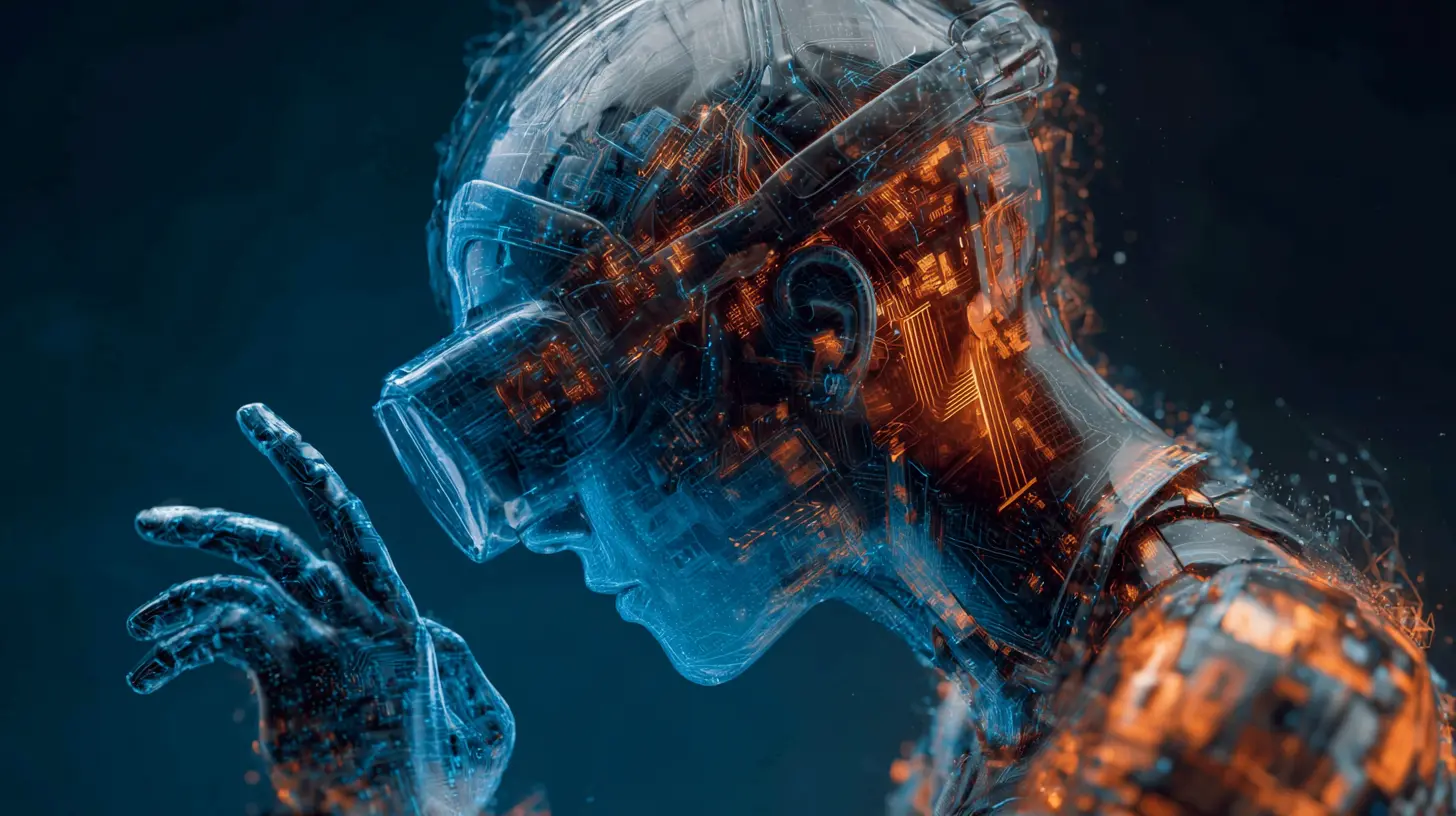
Why 2027 Matters More Than You Think
Let’s be honest: predicting the future in tech feels like trying to predict the weather in a hurricane. But patterns emerge if you look closely. The pandemic accelerated digital transformation, AI went from sci-fi to everyday tool, and remote work became the new normal. By 2027, we’ll be dealing with the aftermath of all that—plus a few surprises. Companies are already scrambling to fill roles that didn’t exist five years ago. And here’s the kicker: many of these jobs aren’t about coding all day. They’re about bridging the gap between humans and machines, ethics and algorithms, efficiency and empathy. Sound exciting? It should be.The Shift from “Tech Worker” to “Tech Human”
Remember when being in IT meant you sat in a dark room, fixing printers and muttering about firewall configurations? Those days are gone. The emerging roles of 2027 will demand a blend of technical chops and soft skills. Think of it like a chef who also understands agriculture. You can’t just cook; you need to know where the ingredients come from. Similarly, tomorrow’s IT pros will need to understand business strategy, user psychology, and even philosophy. Why? Because technology isn’t just about speed and efficiency anymore—it’s about trust, sustainability, and inclusion.
The Top Emerging IT Roles to Watch in 2027
Alright, let’s dive into the meat of this. I’ve curated a list of roles that are already bubbling under the surface, gaining traction, and poised to explode by 2027. Some might sound familiar, but trust me—they’ve evolved. Others might feel like they’re from a sci-fi novel. But remember, every groundbreaking role started as a strange idea.1. AI Ethics Compliance Officer
Let’s start with a role that’s equal parts detective, philosopher, and lawyer. AI Ethics Compliance Officers are the guardians of the digital soul. As companies race to deploy generative AI, chatbots, and automated decision-making systems, they’re also waking up to a nasty hangover: bias, privacy violations, and regulatory nightmares. By 2027, every major organization will need someone to ask the hard questions: “Is this algorithm fair? Is it transparent? Does it respect user autonomy?”What you’ll actually do: You won’t just write policies. You’ll audit machine learning models for bias, work with legal teams to navigate new regulations (like the EU AI Act), and even mediate between engineers and users. Imagine being the person who tells a data scientist, “No, you can’t use that dataset because it’s historically discriminatory.” It’s a tough gig, but someone’s got to do it.
Why it’s perfect for you: If you’re someone who loves tech but also cares about justice and fairness, this is your sweet spot. You don’t need to be a coding wizard—you just need to understand how algorithms work and have strong communication skills. And let’s face it, the world needs more people who can say “slow down” when everyone else is screaming “move faster.”
2. Quantum Machine Learning Engineer
Okay, this one sounds like it’s straight out of a Marvel movie, but trust me, it’s real. Quantum computing isn’t just a lab experiment anymore. Companies like IBM, Google, and startups are building quantum processors that can solve problems classical computers can’t touch. By 2027, we’ll see hybrid systems where quantum and classical computers work together. Enter the Quantum Machine Learning Engineer—a role that blends quantum physics with data science.What you’ll actually do: You’ll design algorithms that run on quantum circuits to optimize logistics, drug discovery, or financial modeling. Think of it like teaching a toddler to solve a Rubik’s cube—except the toddler is a quantum particle that can be in multiple states at once. You’ll need to understand linear algebra, quantum mechanics (at least the basics), and traditional ML.
Why it’s perfect for you: Are you the kind of person who loves puzzles? Do you get a thrill from understanding how the universe works at a fundamental level? This role is for the curious and the brave. And don’t worry—you don’t need a PhD in physics. Many quantum ML tools are becoming more accessible, like Qiskit and PennyLane. But a willingness to learn is non-negotiable.
3. Digital Twin Architect
Imagine having a perfect digital replica of a physical object—a bridge, a car engine, or even a human heart. That’s a digital twin. By 2027, industries from manufacturing to healthcare will rely on these virtual models to predict failures, test changes, and optimize performance. The Digital Twin Architect is the person who designs and maintains these virtual worlds.What you’ll actually do: You’ll work with IoT sensors, 3D modeling software, and simulation tools to create real-time digital copies. For example, if you’re working in smart cities, you might create a digital twin of a traffic system to test how adding a new bike lane affects flow. It’s like playing The Sims, but with real-world consequences.
Why it’s perfect for you: If you love systems thinking and have a knack for visualization, this role is a natural fit. You’ll need skills in cloud computing, data analytics, and maybe even a bit of game engine development (Unity or Unreal). And the best part? You get to see your work in action—literally.
4. Extended Reality (XR) Experience Designer
We’ve all heard of VR and AR, but by 2027, the lines between them will blur into something called Extended Reality (XR). This isn’t just about gaming anymore. Companies will use XR for remote collaboration, training, healthcare therapy, and even retail. The XR Experience Designer is the architect of these immersive environments—part artist, part psychologist, part engineer.What you’ll actually do: You’ll design user interfaces that exist in 3D space. Think about it: how do you design a “button” that floats in mid-air? How do you make sure users don’t get motion sickness? You’ll test user interactions, create storyboards, and work with developers to bring virtual worlds to life. It’s like being a film director, but the audience can walk around inside the movie.
Why it’s perfect for you: Do you have an artistic soul but also love technology? Are you obsessed with how people experience things? This role demands creativity, empathy, and technical knowledge of tools like Unity, Blender, or Unreal Engine. And let’s be real—who wouldn’t want to build the next metaverse?
5. Cybersecurity Mesh Architect
You’ve heard of cybersecurity, but by 2027, the old castle-and-moat model will be dead. With remote work, cloud services, and IoT devices everywhere, the perimeter is gone. Enter the Cybersecurity Mesh Architect—a role that designs security systems that are flexible, decentralized, and adaptive. Think of it like a spider web instead of a wall. If one strand breaks, the whole web doesn’t collapse.What you’ll actually do: You’ll create architectures that allow each device (whether it’s a laptop or a smart fridge) to authenticate and communicate securely, no matter where it is. You’ll use zero-trust principles, identity management, and AI-driven threat detection. It’s less about building fences and more about teaching every device to recognize friends from foes.
Why it’s perfect for you: If you love strategy and have a paranoid streak (in a good way), this role is yours. You’ll need deep knowledge of networking, cloud security, and cryptography. But more importantly, you’ll need to think like an attacker—and a defender—simultaneously. It’s a chess game where the pieces are constantly moving.
6. Prompt Engineer / AI Interaction Designer
Wait, isn’t prompt engineering just typing questions into ChatGPT? Not quite. By 2027, this role will evolve into a full-fledged design discipline. As AI models become more powerful, the bottleneck won’t be the technology—it’ll be how we talk to it. Prompt Engineers craft the inputs that get the best outputs, but they also design entire workflows for human-AI collaboration.What you’ll actually do: You’ll write and test prompts, but you’ll also build templates, fine-tune models, and create guardrails to prevent hallucinations. Imagine being a translator between human intent and machine logic. You might design a system where a doctor asks an AI, “What’s the best treatment for this patient?” and the AI responds with evidence-based options, not generic advice.
Why it’s perfect for you: This role is ideal for writers, linguists, and anyone who loves language. You don’t need to be a coder, but you’ll benefit from understanding how LLMs work. It’s like being a poet who also knows how to fix a car. And the demand? Through the roof.
7. Green IT Strategist
Climate change isn’t just a policy issue—it’s a tech issue. Data centers consume massive amounts of energy, e-waste is piling up, and every AI query has a carbon footprint. By 2027, companies will face pressure from regulators, investors, and customers to go green. The Green IT Strategist is the person who makes that happen.What you’ll actually do: You’ll audit energy consumption, recommend sustainable hardware, design circular economy practices (like recycling old servers), and even optimize algorithms to run more efficiently. Think of it as a sustainability consultant for the tech stack. You might work with cloud providers to choose greener regions or redesign a data center to use liquid cooling instead of air conditioning.
Why it’s perfect for you: If you care about the planet and love tech, this is a no-brainer. You’ll need knowledge of energy systems, cloud architecture, and maybe even supply chain management. But the real skill is persuasion—convincing stakeholders that green tech isn’t just ethical, it’s profitable.
8. Neuro-Interface Developer
This one feels like science fiction, but brain-computer interfaces (BCIs) are moving from labs to real-world applications. By 2027, we’ll see BCIs used for assistive technology (helping paralyzed people control devices), gaming, and even mental health monitoring. The Neuro-Interface Developer builds the software that reads brain signals and translates them into actions.What you’ll actually do: You’ll work with EEG data, signal processing algorithms, and machine learning to decode neural activity. Imagine designing a system where someone can type by just thinking about the letters. Or a VR headset that adapts to your emotional state. It’s like being a mind reader, but with code.
Why it’s perfect for you: This role is for the bold and the curious. You’ll need expertise in neuroscience, signal processing, and software engineering. It’s challenging, but the impact is profound. Plus, you get to say you’re working on something that was once pure fantasy.

How to Prepare for These Roles (Without Losing Your Mind)
Feeling overwhelmed? Don’t be. You don’t need to learn everything at once. Start with the role that excites you most and build a learning path. Here’s a simple framework:- Identify your “why”: Do you want to make the world fairer? Build cool stuff? Save the planet? Your motivation will keep you going when things get tough.
- Learn the fundamentals: Most of these roles require a base in cloud computing, data literacy, and a programming language (Python is your best friend).
- Specialize gradually: Once you have the basics, dive into one area—like AI ethics or quantum computing—through online courses, certifications, or side projects.
- Network with intention: Join communities on LinkedIn, Reddit, or Discord focused on these emerging fields. The best opportunities come from conversations, not job boards.
- Embrace failure: You will mess up. You’ll write a bad prompt or misunderstand a quantum concept. That’s okay. Every expert was once a beginner who didn’t give up.

The Human Side of Tech
Here’s the thing I want you to remember: all these roles, no matter how technical, are ultimately about people. The AI Ethics Officer protects human dignity. The XR Designer creates experiences that make us feel more connected. The Green IT Strategist fights for a livable planet. Technology is just a tool. The real magic happens when we use it to amplify our humanity.So, as you look toward 2027, don’t just ask, “What role can I get?” Ask, “What problem do I want to solve?” The answer will guide you to the right path. And hey, if you ever feel lost, remember that even the most advanced AI started with a single line of code. You’ve got this.
all images in this post were generated using AI tools
Category:
Information TechnologyAuthor:

Reese McQuillan
Discussion
rate this article
2 comments
June Nelson
This article really highlights the exciting future of IT. It's fascinating to see how these new roles will shape our tech landscape. Can't wait to watch these trends unfold...
June 5, 2026 at 3:14 AM
Kinsley Sweeney
Exciting times ahead for tech! Keeping an eye on these roles could shape your career path significantly.
May 13, 2026 at 4:52 AM