The Future of Smart Homes: How to Get Started in 2027
28 April 2026
So, you’ve finally decided to stop living like a caveman—or, more accurately, like someone stuck in 2023. You’ve heard the buzzwords: AI, IoT, automation, voice assistants. You’ve seen the movies where houses talk back, brew coffee before you wake, and lock themselves like a fortress. But let’s be real: the future of smart homes in 2027 isn’t about flying cars or robot butlers that serve you champagne. It’s smarter, quieter, and way more practical than sci-fi ever promised.
Welcome to 2027, where your home doesn’t just follow commands—it anticipates them. Where your thermostat learns your mood swings, your fridge orders milk before you run out, and your front door knows your face better than your mother-in-law does. But here’s the kicker: getting started today doesn’t require a tech degree or a trust fund. It’s easier, cheaper, and more human than you think.
Let’s dive into the real, messy, beautiful future of smart homes—and how you can start building yours without losing your mind (or your wallet).

Why 2027 Is the Perfect Year to Go Smart
Remember when “smart home” meant a single lightbulb you could turn off from your phone, and you felt like a wizard? Yeah, those days are over. In 2027, smart homes are less about gadgets and more about interconnected ecosystems. Think of it like a symphony orchestra—each device plays its part, but the conductor is a central AI that knows your preferences, your schedule, and even your bad habits.Here’s what’s changed: Matter protocol (the universal language for smart devices) has finally become the norm. No more fighting between Zigbee, Z-Wave, or Wi-Fi. In 2027, you buy a smart lock, a thermostat, or a speaker, and they just talk to each other. It’s like the United Nations of home tech, but without the bureaucracy.
Also, AI is no longer a gimmick. It’s predictive, adaptive, and—dare I say—empathetic. Your home can now sense when you’re stressed (via your heart rate from a wearable) and dim the lights, play lo-fi beats, and suggest a nap. Creepy? A little. Useful? Absolutely.
The big shift: Smart homes in 2027 are about reducing friction, not adding complexity. You don’t need to remember commands. You just live, and the house adjusts. It’s like having a personal assistant who never sleeps, never judges, and never asks for a raise.
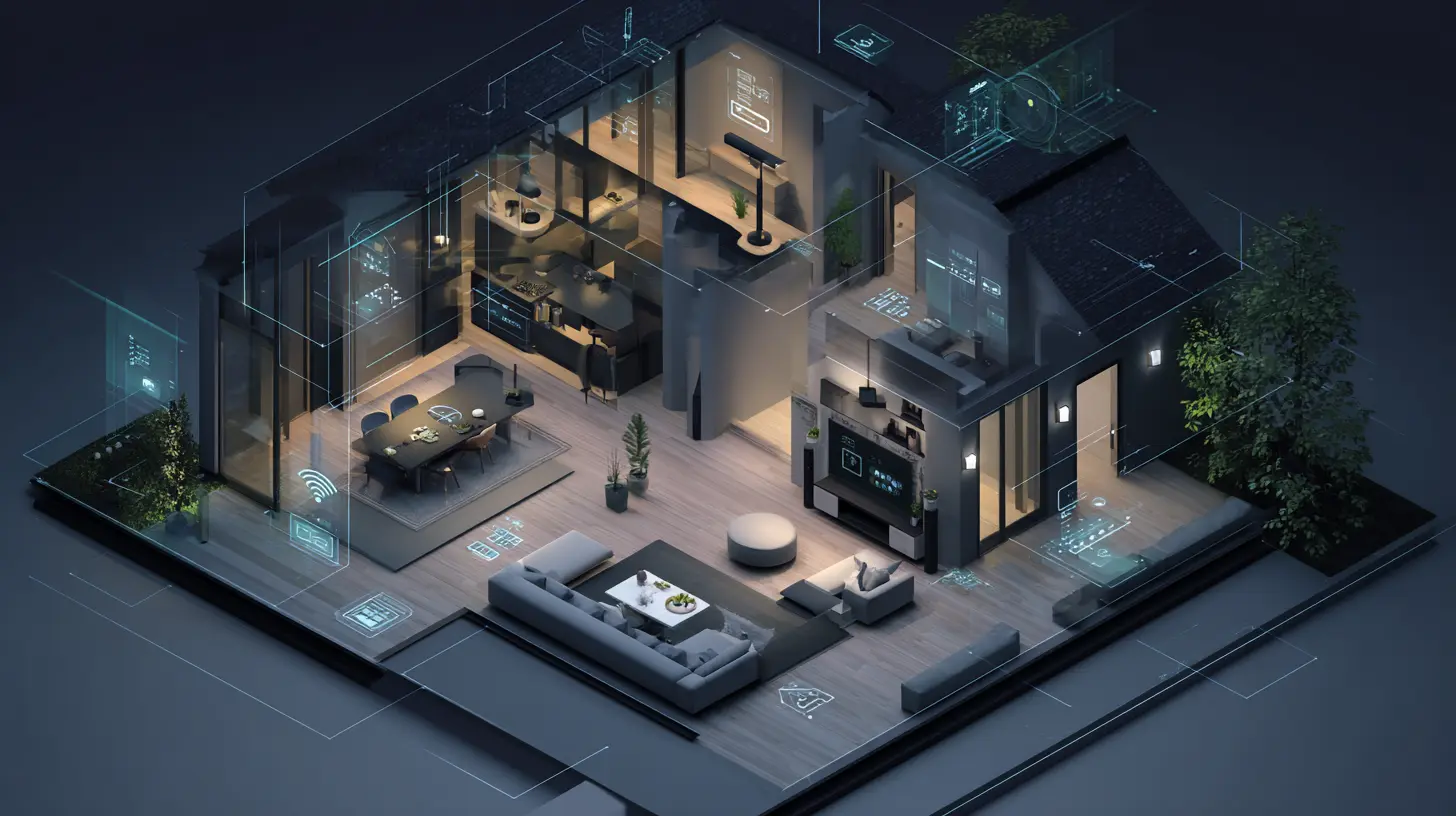
The Three Pillars of a Future-Proof Smart Home
Before you start buying every gadget in sight (trust me, I’ve been there), let’s talk strategy. A smart home built in 2027 should rest on three pillars: Simplicity, Security, and Sustainability.Pillar 1: Simplicity (Because You’ve Got Better Things to Do)
The biggest mistake people make is overcomplicating things. You don’t need a smart toaster that tweets your breakfast. You need a system that works without you thinking about it.Start with a hub—but not a physical one. In 2027, most smart homes run on a cloud-based AI hub (think Google Home, Amazon Alexa, or Apple HomeKit, but with deeper integration). This hub learns your routines. For example, if you always turn off the lights before bed, after a week, it’ll do it automatically. No app. No voice command. Just done.
Pro tip: Choose one ecosystem. Don’t mix Amazon, Google, and Apple unless you enjoy troubleshooting. Pick a side and commit. It’s like choosing a streaming service—you can have more than one, but you’ll pay for it in headaches.
Pillar 2: Security (Your Home Isn’t a Fortress—Yet)
Let’s address the elephant in the room: hacking. In 2025, smart home hacks made headlines. In 2027, manufacturers have (mostly) gotten their act together. Encryption is standard, and two-factor authentication is non-negotiable. But you still need to do your part.What to buy: Look for devices with the Matter badge and Thread support. Thread creates a mesh network that’s harder to breach. Also, avoid cheap Chinese knock-offs that scream “data leak.”
The human factor: Change your default passwords. I know, I sound like your IT uncle, but “admin123” is not a password. It’s an invitation. And for the love of all things holy, update your firmware. It’s like brushing your teeth—annoying but prevents decay.
Pillar 3: Sustainability (Save the Planet and Your Wallet)
Smart homes in 2027 are green by design. Solar panels are cheaper than ever, and smart energy monitors can cut your electricity bill by 20–30%. Imagine your home automatically shifting power-hungry tasks (like charging your EV or running the dishwasher) to off-peak hours when electricity is cheaper and greener.The cool part: Some smart thermostats now integrate with local weather forecasts. If a heatwave is coming, your AC will pre-cool your home in the morning (when energy is cheap) and coast through the afternoon. It’s like your house is playing chess while you’re still figuring out checkers.
How to Get Started: A Step-by-Step Guide for 2027
Alright, enough theory. Let’s get our hands dirty. Here’s a practical, no-BS roadmap to building your smart home in 2027. I’ll break it into phases, so you don’t feel overwhelmed.Phase 1: The Foundation (Weeks 1–2)
Step 1: Audit your Wi-Fi. Your old router from 2020 won’t cut it. Smart homes need a mesh Wi-Fi system (like Eero, Nest Wifi, or TP-Link Deco). This ensures every corner of your house has a strong signal—even the bathroom where you scroll Reddit.Step 2: Pick your AI assistant. I’m biased, but in 2027, Google Home has the best predictive AI. However, if you’re an Apple person, HomeKit is now surprisingly open. Amazon Alexa is still solid, but it feels a bit like a smart home for boomers. Your call.
Step 3: Buy one smart device. Just one. I recommend a smart thermostat (like the Nest Learning Thermostat or Ecobee). Why? Because it saves you money immediately. It learns your schedule, adjusts temperatures, and pays for itself in a year. Plus, it’s the gateway drug to smart home addiction.
Phase 2: The Essentials (Weeks 3–6)
Step 4: Add smart lighting. Start with the rooms you use most: living room, kitchen, bedroom. In 2027, smart bulbs are cheap ($10–$20 each) and can mimic natural light cycles. They’ll dim in the evening to help you sleep and brighten in the morning to wake you up. No more groggy mornings—just a gentle sunrise simulation.Step 5: Secure your front door. A smart lock (like August or Schlage Encode) lets you ditch keys forever. You can grant temporary access to guests, delivery drivers, or your dog walker. Also, get a video doorbell (Ring, Nest, or Eufy) that uses AI to distinguish between a package thief and a neighbor’s cat.
Step 6: Automate the boring stuff. Set up routines. For example:
- “Good Morning” routine: Lights on, coffee maker starts, thermostat adjusts, and your smart speaker reads the weather.
- “Goodnight” routine: All lights off, doors lock, alarm sets, and the thermostat drops a few degrees.
These routines take 10 minutes to set up but save you hours of manual tapping.
Phase 3: The Advanced Stuff (Months 2–6)
Step 7: Go voice-less. In 2027, the best smart homes don’t require you to speak. Use motion sensors and presence detectors. For instance, a sensor in your hallway can turn on lights as you walk by. In the bathroom, a sensor can start the fan when humidity rises. It’s like magic, but with batteries.Step 8: Integrate your appliances. Your fridge, oven, and washing machine can now be smart. But don’t go overboard. Only buy smart appliances if they genuinely improve your life. A smart fridge that tells you when milk is expired? Useful. A smart toaster that sends you push notifications? Overkill.
Step 9: Add entertainment. Smart TVs are old news. In 2027, ambient computing is the trend. Your TV can double as a digital art frame, a workout screen, or a video call hub. Some models even project onto walls. It’s like having a window to another dimension, but one that also plays Netflix.
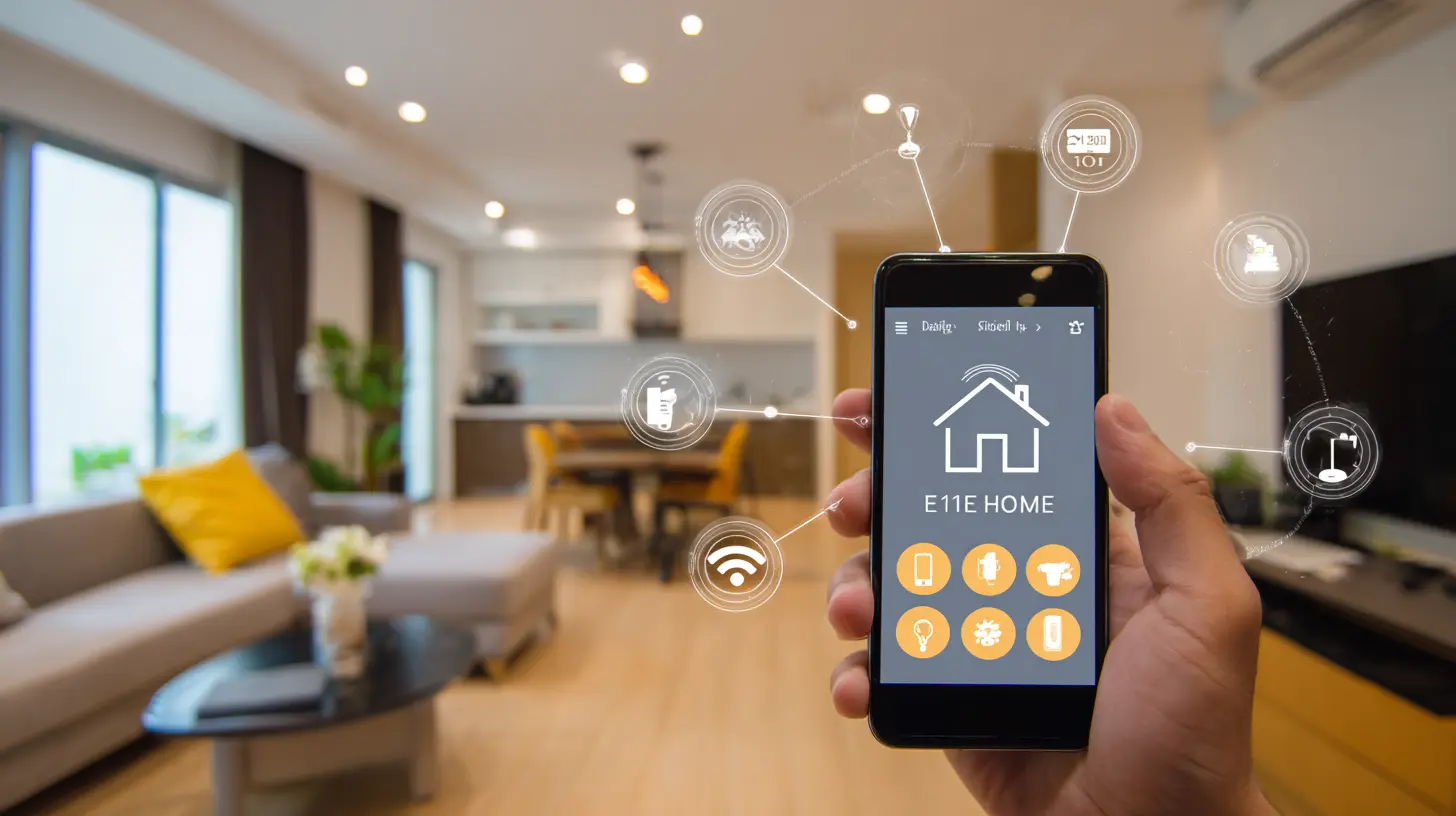
Common Pitfalls (And How to Avoid Them)
I’ve made every mistake in the book. Here are the top three to dodge:Mistake 1: Buying everything at once. You’ll end up with incompatible devices, frustration, and a lighter wallet. Start small. Add one device, integrate it, then add another.
Mistake 2: Ignoring privacy. Smart devices listen. Period. In 2027, most have local processing (data stays on the device), but check the specs. If a device requires constant cloud connection for basic functions, skip it.
Mistake 3: Forgetting the human element. A smart home should serve you, not the other way around. If you spend more time troubleshooting than enjoying, you’ve gone too far. Keep it simple, and don’t automate things you actually enjoy doing manually (like brewing pour-over coffee).
The Human Side: What It Feels Like to Live in a 2027 Smart Home
Let’s paint a picture. It’s 7 AM. Your alarm didn’t blare—instead, your smart blinds gradually let in light, mimicking a sunrise. Your thermostat has already warmed the bathroom floor (yes, that’s a thing now). Your coffee machine starts brewing your usual blend. As you walk into the kitchen, your smart speaker whispers your schedule for the day: “Meeting at 10, lunch with Sara, and don’t forget to pick up dry cleaning.”You eat breakfast while your smart mirror (yes, a mirror) shows your calendar and the news. You leave for work, and your house automatically locks, turns off lights, and sets the security system. While you’re gone, your robot vacuum cleans, your air purifier monitors pollen levels, and your smart garden waters the basil you swear you’ll use for pesto.
You come home to a perfectly lit, temperature-controlled space. Your smart oven preheated itself because your calendar said “dinner at 7.” You sit down, and your TV suggests a movie based on your mood (detected by your wearable). It’s not magic. It’s just good design.
The best part? You didn’t touch a single button.
Final Thoughts: The Future Is Already Here (It’s Just Unevenly Distributed)
Getting started with smart homes in 2027 is easier than ever. The tech is mature, the prices are dropping, and the benefits are real—more comfort, lower bills, and less mental load. But remember: the goal isn’t to build a showroom of gadgets. It’s to build a home that supports you, quietly and intelligently.So, ask yourself: What’s one thing in my home that frustrates me daily? Maybe it’s the cold floor in the morning. Maybe it’s forgetting to turn off the lights. Maybe it’s the anxiety of leaving the door unlocked. Solve that one thing first. Then another. Before you know it, you’ll have a home that feels like it’s reading your mind—because, in a way, it is.
Now go forth. Automate wisely. And remember: the best smart home is one you forget is smart. It just works.
all images in this post were generated using AI tools
Category:
Technology GuidesAuthor:

Reese McQuillan
Discussion
rate this article
2 comments
Mabel Newton
The article insightfully outlines emerging smart home technologies for 2027. Emphasizing user-friendly integration and sustainability, it encourages proactive planning to enhance home automation experiences.
June 10, 2026 at 10:22 AM
Reese McQuillan
Thank you for your feedback! I'm glad you found the insights on smart home technologies and their potential impact helpful. Your proactive approach to planning is essential for embracing the future.
Maribel McNeely
Embrace innovation now to transform your home in 2027!
May 4, 2026 at 4:24 AM
Reese McQuillan
Absolutely, the sooner we embrace innovation, the better prepared we'll be for the smart homes of 2027!