Smart Displays in Educational Settings: The Classroom of Tomorrow
18 December 2025
Technology is reshaping classrooms, and smart displays are leading the charge. Gone are the days of chalk dust and static whiteboards—interactive screens are transforming how students learn and teachers educate. But what makes these digital marvels so essential in modern education? Let’s dive into the world of smart displays and see why they’re becoming a staple in schools.
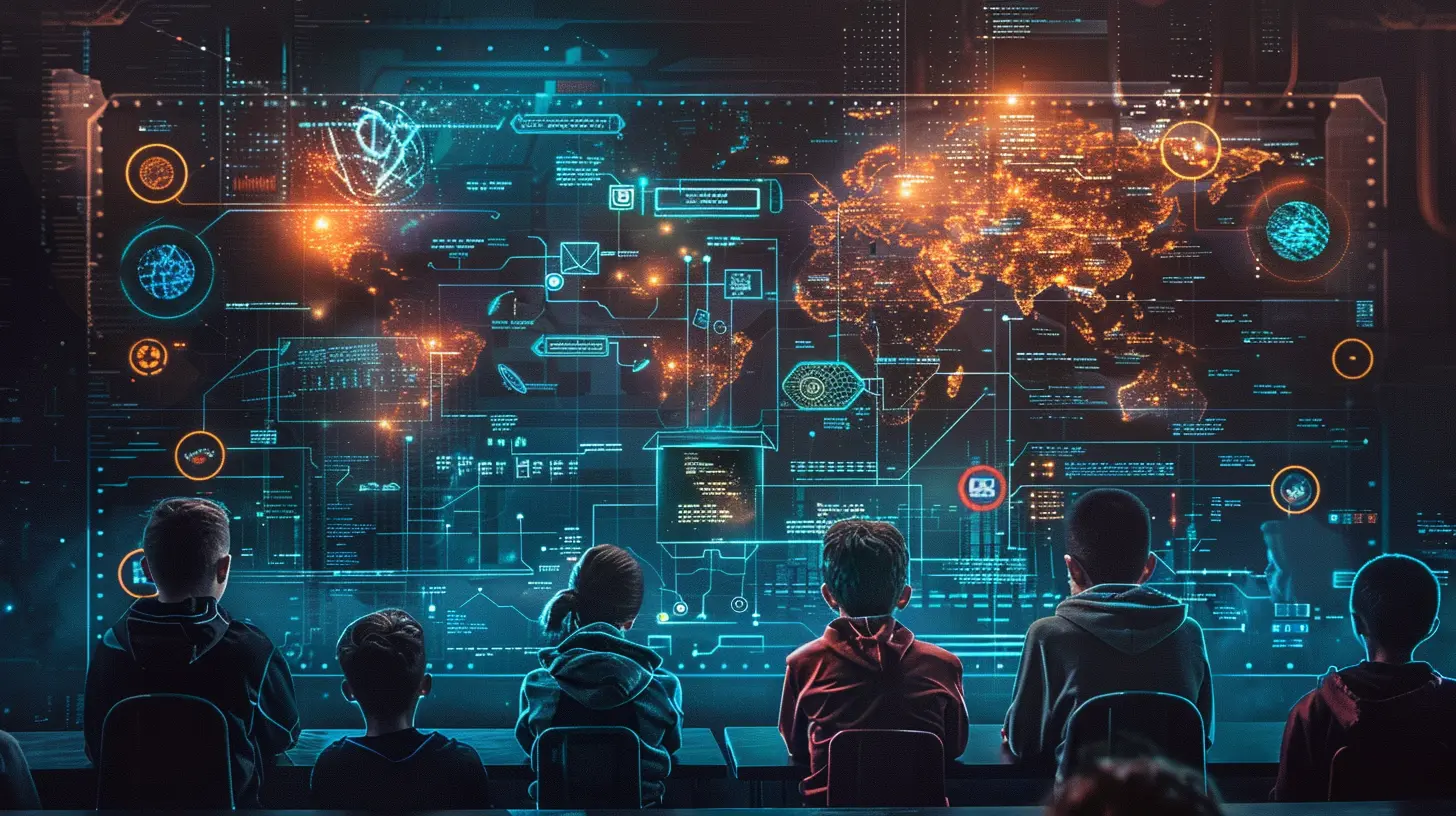
What Are Smart Displays?
Smart displays are interactive touchscreen devices that go beyond traditional projectors or whiteboards. Think of them as giant tablets with the power of a computer, designed specifically to enhance learning. They allow teachers to share content, engage students with interactive lessons, and even support remote learning. With built-in collaboration tools, these displays make education more dynamic and engaging.
The Evolution of Classroom Technology
Education has come a long way from blackboards and projectors. First, we had overhead projectors, then whiteboards, and eventually, digital projectors. But each of these had limitations—chalk created mess, markers ran out, and projectors required dimmed lights and frequent maintenance.Enter smart displays. These devices eliminate many of these issues by offering clear visuals, touch interactivity, and seamless internet connectivity. They bridge the gap between traditional teaching methods and modern digital learning.
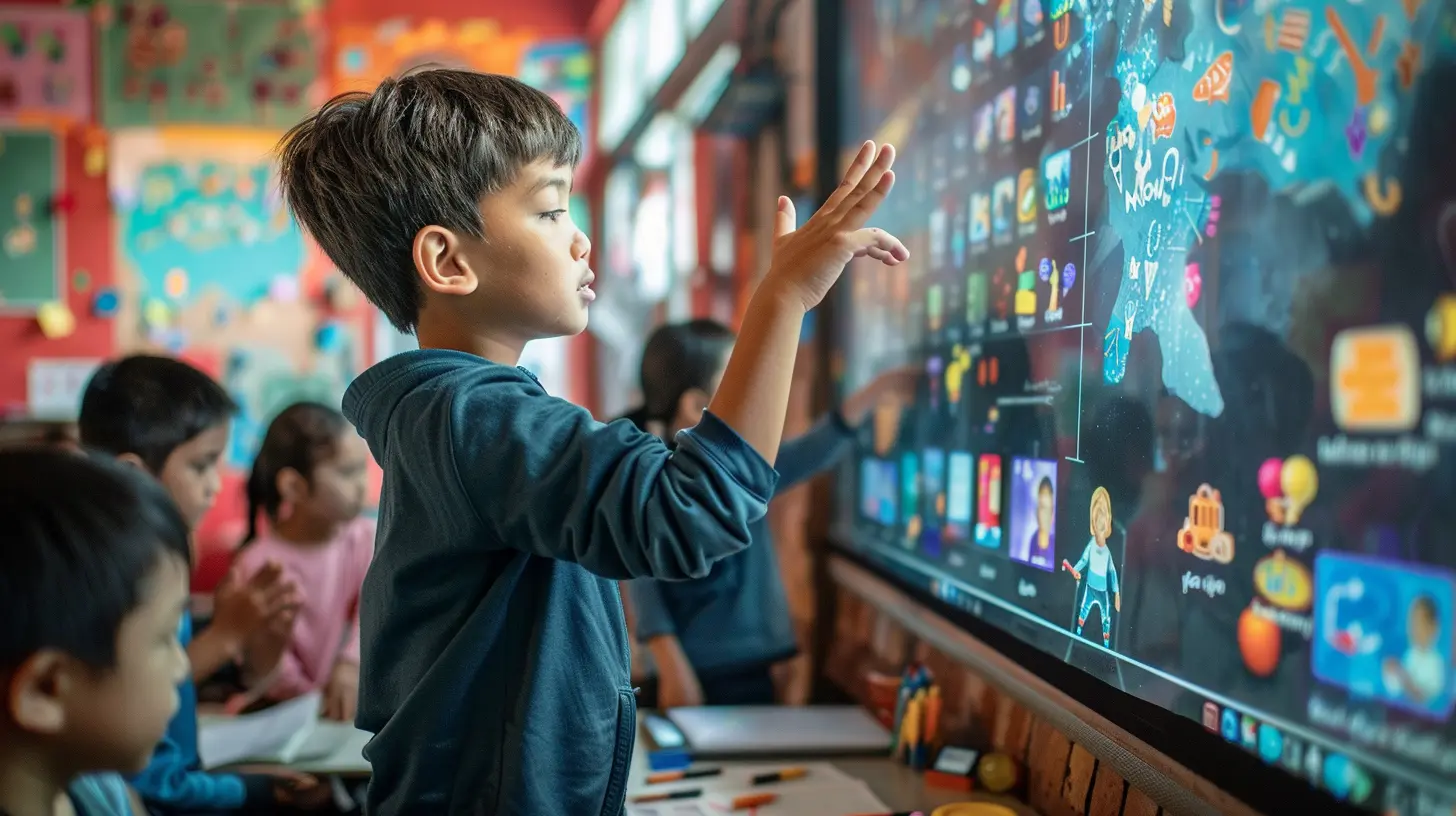
How Smart Displays Are Transforming Education
1. Interactive Learning That Boosts Engagement
Let's face it—staring at a static board while a teacher lectures can get boring fast. Smart displays change the game by making learning more hands-on. Students can interact directly with the screen, solve problems in real-time, and participate in group activities. Studies show interactive learning increases information retention, meaning students are more likely to remember what they learn.2. Encouraging Collaboration and Teamwork
Education isn't just about absorbing facts; it's about developing teamwork and communication skills. Smart displays encourage collaboration by allowing multiple students to work on the same screen simultaneously. Whether it's brainstorming ideas, solving math equations, or working on a group presentation, these displays create a space for teamwork.3. Access to Limitless Educational Resources
With a smart display connected to the internet, every classroom gets instant access to a wealth of educational tools—videos, digital textbooks, simulations, and even virtual field trips. Gone are the days of relying solely on textbooks. Teachers can bring NASA’s Mars Rover into a science lesson or take students on a virtual tour of the Louvre—all with a few taps.4. Supporting Remote and Hybrid Learning Models
The pandemic taught us that education needs flexibility. Smart displays integrate seamlessly with video conferencing tools like Zoom, Google Meet, and Microsoft Teams, making hybrid and remote learning possible. Educators can conduct live lessons, record sessions for later review, and engage students no matter where they are.5. Catering to Different Learning Styles
Every student learns differently, and smart displays help address that. Some students grasp concepts better through visuals, others through audio, and some through hands-on interaction. Smart displays support all these learning styles, ensuring that every student gets the best possible learning experience.6. Reducing the Teacher’s Workload
Teaching isn’t just about imparting knowledge—it involves a ton of administrative work. Smart displays streamline lesson planning, automate grading with built-in assessment tools, and allow teachers to save and reuse lesson materials. This cuts down on repetitive tasks and lets educators focus more on teaching.
Smart Displays vs. Traditional Whiteboards
| Feature | Smart Displays | Traditional Whiteboards ||---------|---------------|----------------------|
| Interactivity | Touchscreen with multiple input options | Only supports writing and erasing |
| Connectivity | Internet-enabled for research, videos, and remote access | No internet connection |
| Collaboration | Supports multi-user interaction and remote participation | Limited to physical presence |
| Learning Style Support | Caters to visual, auditory, and kinesthetic learners | Mainly supports written and verbal learning |
| Maintenance | Minimal, no need for markers or erasers | Markers run out, boards require cleaning |
It’s clear that smart displays have the upper hand in terms of engagement, functionality, and long-term benefits.
Overcoming Challenges in Adopting Smart Displays
Despite their numerous advantages, some schools hesitate to invest in smart displays. Here are a few challenges and practical solutions:1. High Initial Cost
Smart displays can be pricey, making it hard for some schools to afford them. However, many governments and educational institutions offer grants and funding to support technology in classrooms. Plus, when you factor in the long-term savings on markers, projectors, and paper, the investment makes sense.2. Teacher Training
Not all teachers are tech-savvy, and adopting new technology can feel overwhelming. The solution? Schools should provide proper training and workshops to ensure teachers are comfortable using smart displays effectively. Most modern smart displays are designed to be user-friendly, so the learning curve isn’t too steep.3. Dependence on Internet Connectivity
Since smart displays rely on digital content, poor internet connections can be a hurdle. Schools should ensure they have strong, reliable Wi-Fi networks. Additionally, many smart displays allow content to be downloaded and accessed offline, minimizing disruptions.
The Future of Smart Displays in Education
Smart displays are just the beginning. As artificial intelligence (AI) and augmented reality (AR) continue to evolve, classroom learning will become even more immersive. Imagine a history lesson where students can virtually step into ancient Rome or a biology class where they can interact with 3D models of human anatomy. The possibilities are endless!More schools worldwide are recognizing the value of smart displays, and it won’t be long before they become a standard feature in every classroom. The shift towards digital learning is inevitable, and with the right technology, students will be better prepared for the tech-driven world ahead.
Final Thoughts
Smart displays are revolutionizing education, making learning more interactive, engaging, and accessible. They foster collaboration, support different learning styles, and streamline teaching processes. While the initial investment might seem high, the long-term benefits far outweigh the costs.The classroom of tomorrow is here, and it’s smarter than ever. Schools that embrace this digital transformation will pave the way for a more dynamic and effective learning environment. Are we ready to make the switch? The future of education depends on it.
all images in this post were generated using AI tools
Category:
Smart DisplaysAuthor:

Reese McQuillan
Discussion
rate this article
2 comments
Ezra McIntosh
Great insights! Smart displays truly can revolutionize learning experiences for future classrooms.
December 25, 2025 at 12:11 PM
Reese McQuillan
Thank you! I'm glad you found the insights valuable. Smart displays have immense potential to enhance engagement and collaboration in the classroom!
Shiloh McKee
This article sparks interesting ideas about how smart displays could transform classrooms! I’m curious to see what innovative teaching methods and enhanced student engagement will emerge from this technology.
December 19, 2025 at 1:19 PM
Reese McQuillan
Thank you for your thoughts! I'm excited about the potential of smart displays to revolutionize teaching and enhance student engagement. Let's keep exploring these innovations together!