How Wireless Charging Is Changing the Smartphone Landscape
3 March 2026
Let’s face it—wires are a pain. They're always tangled, never long enough, and somehow manage to fray just when you need them most. But guess what? We're stepping into a world where wires might one day be totally obsolete—at least when it comes to charging your phone. That's right. Wireless charging is slowly but surely shaking up the entire smartphone scene.
In this article, we’re diving into how wireless charging is changing the smartphone landscape—why it's happening, what's making it possible, and how it’s impacting the way we use our devices every day.
What Is Wireless Charging, Really?
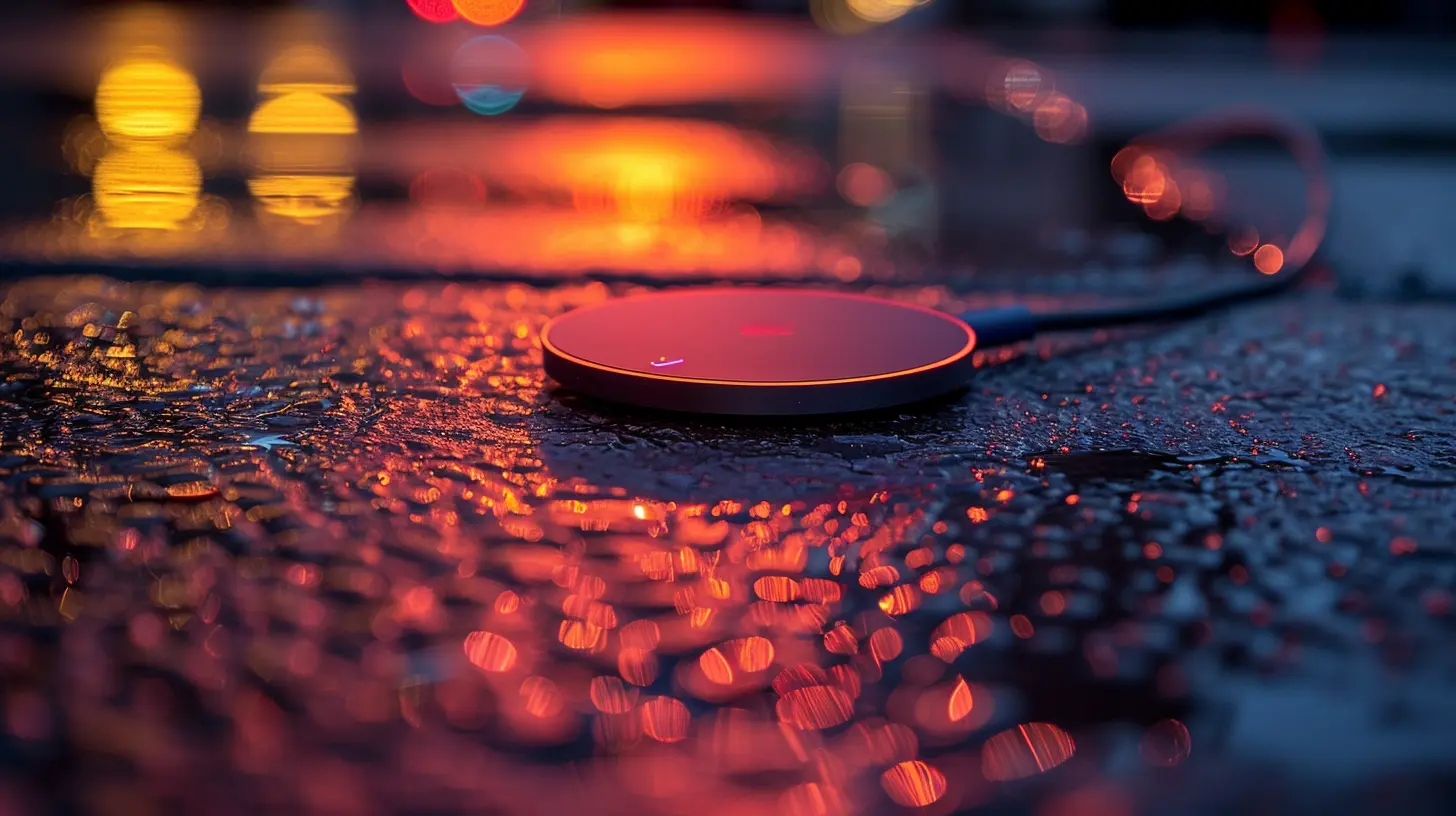
Alright, before we jump into the nitty-gritty, let’s clear up what wireless charging actually is. At its core, wireless charging allows you to charge your smartphone (or other gadget) without plugging in a cable. Instead, you place your phone on a wireless charging pad or stand, and—like magic—it starts charging. Simple, right?But behind the scenes, it's all about electromagnetic fields. Wireless charging works using a principle called inductive charging. A coil in the charger generates an electromagnetic field, which is picked up by a corresponding coil in your phone, converting that energy into juice for your battery.
Now that we’ve got that out of the way, let’s talk about how this wireless tech is changing the game.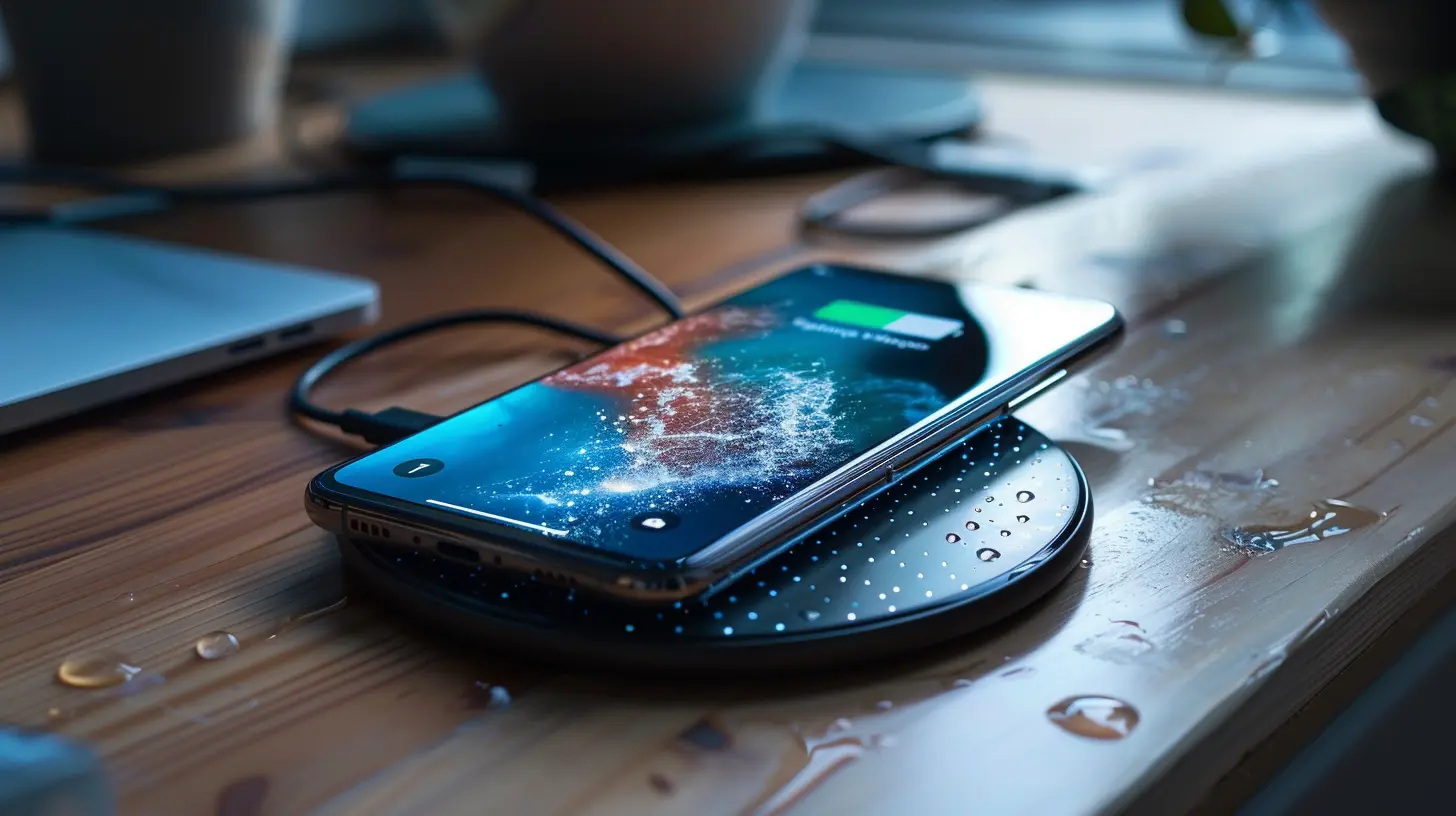
The Rise of Wireless Charging: A Quick Look Back
Wireless charging itself isn’t brand new. It’s been around for a while in electric toothbrushes and other small gadgets. But when it started showing up in smartphones around 2012, things really started heating up. Back then, it was more of a novelty—something cool to show off, but not really practical.Fast forward to today, almost every flagship smartphone—think iPhones, Samsung Galaxies, Pixels—comes equipped with wireless charging. And it’s not just a fancy extra anymore—it’s becoming a must-have feature.
Convenience Is King
Let’s be honest. Convenience is probably the biggest reason wireless charging is taking off. What could be easier than placing your phone on a pad and just walking away?Think about your daily routine. At work, at home, in the car—charging doesn’t have to be an event. No more fumbling with cables or hunting for the right charger. You just drop your phone down, and boom—charging.
Plus, it’s way easier on your ports. Every time you plug and unplug a charger, you’re slowly wearing down your phone’s charging port. Wireless charging reduces that wear and tear big time.
Cleaner, Clutter-Free Spaces
Raise your hand if your nightstand or desk looks like a spaghetti bowl of cables. You're not alone. The move towards wireless charging is also changing how we design spaces.Charging pads are sleek. Minimalist. They blend right in with your decor. We’re seeing more wireless charging built into furniture, into cars, into public spaces like cafes and airports. It's the little boost that makes everyday life feel futuristic.
Wouldn’t it be cool if your entire desk was a charging surface? That future’s not far off.
Universal Standards Are Making It Better
Okay, tech talk time—but we’ll keep it short.The magic behind wireless charging being more widely adopted comes down to a universal standard called Qi (pronounced ‘chee’). This standard makes sure that different brands and devices can work with different chargers. That means your Samsung wireless charger might still work for your friend’s iPhone. How great is that?
As more companies stick to the same standard, it ensures a smoother, more reliable wireless experience.
Speeds Are Getting Faster—Finally
Let’s talk about one of the biggest gripes people have had with wireless charging: the speed. Yeah, in the beginning, it was like watching paint dry.But the good news? That’s changing fast.
Today’s wireless chargers can reach speeds of 15W, 30W, or even more. Some brands, like Xiaomi and Oppo, are pushing the limits with super-fast wireless charging that rivals—even beats—traditional wired charging. That’s a game-changer.
Not only are we cutting the cord, but we’re doing it without sacrificing performance.
Wireless Charging in Cars Is a Game-Changer
If you've ever fumbled with cables while driving, you’ll appreciate this one. More cars are now coming with built-in wireless charging pads. You just toss your phone into the designated spot, and it charges while you're on the road.It’s especially handy for navigation. You can keep your phone visible and powered up, all without dealing with messy wires across your dashboard. Safety, convenience, and a clean look? Yes, please.
Less Wear and Tear on Devices
Let’s get real—charging cables break. Ports wear out. Buttons stop working. Every time you jam a cable into your phone, you risk damaging it. Wireless charging helps soften that blow.No more yanking cords or wiggling the plug to get a proper connection. With wireless, there’s less physical strain on your phone’s internals, which could mean a longer lifespan for your beloved device.
Fueling Innovation in Design
Wireless charging isn’t just about functionality—it’s also changing how smartphones are designed.Think about it: To make a phone work with wireless charging, manufacturers need to ditch metal backs in favor of glass or composite materials. And that shift opens up new design possibilities—thinner phones, sleeker profiles, more futuristic aesthetics.
It’s pushing brands to get more creative, and that’s always a win for us users.
Wireless Charging + 5G + AI = Super Future
Here’s where it gets exciting. Wireless charging is just one piece of the puzzle. Combine it with 5G, AI, and smart homes, and we’re looking at a seriously futuristic tech ecosystem.Imagine this: Your phone charges wirelessly on your counter, updates itself using lightning-fast 5G, and then syncs with your smart fridge to remind you you're out of milk. Sounds like a sci-fi movie, but we’re getting closer every day.
Wireless charging is a foundational brick in that smart future.
The Environmental Angle You Didn't Think About
Let’s talk brains and ethics. Wireless charging might actually help reduce e-waste—at least over time.Think about how many cables and plugs you've gone through over the years. They're plastic, they break easily, and most of them end up in a landfill. A standardized wireless charging system could reduce all that significantly.
As more devices adopt the same universal wireless standard, we need fewer accessories, fewer replacements, and—eventually—less trash.
What’s the Catch?
Now, let’s not pretend everything’s perfect.💬 “Is wireless charging flawless?” Not yet.
Here are a few downsides you should know:
- It’s not truly “wireless” yet: The pad still needs a power source, so yeah, there’s still at least one wire involved.
- Efficiency isn't 100%: Wireless charging can be a little less efficient than wired charging, meaning some energy gets lost as heat.
- Cost is higher: Wireless chargers are still more expensive than your average cable, although prices are dropping.
But all these issues? They’re solvable. And the tech is improving super fast.
What's Next for Wireless Charging?
We’re already seeing crazy advancements. Think air charging—where your phone charges just by being in the same room as a charging transmitter. Companies like Xiaomi and Energous are working on exactly that.Imagine walking into your house and your devices start charging automatically without you having to think about it. That’s the holy grail, and it’s already on the horizon.
That’s not just convenience—that’s a lifestyle upgrade.
Final Thoughts
Wireless charging isn’t just a gimmick anymore—it's a legit game-changer. It’s making our lives easier, tidying up our spaces, extending the life of our devices, and setting the stage for a smarter, clutter-free future.Sure, it's not perfect yet, but the trajectory is crystal clear. In the not-so-distant future, we might all look back and laugh at the idea of plugging cables into our phones like we used to wind up landline cords or rewind our cassette tapes.
So, if you’re not already using wireless charging, maybe it’s time to start thinking about it. Because the age of the wire is coming to an end—and it’s about time, don’t you think?
all images in this post were generated using AI tools
Category:
SmartphonesAuthor:

Reese McQuillan
Discussion
rate this article
2 comments
Faith Hayes
Wireless charging not only redefines convenience but also challenges our perceptions of energy, sustainability, and the future of connectivity.
March 8, 2026 at 12:03 PM
Reese McQuillan
Thanks for your insight! Wireless charging does indeed reshape how we think about energy and connectivity in exciting ways.
Alexia McKellar
Wireless charging: finally a way to power up without tangled drama!
March 8, 2026 at 3:35 AM