How Smart Displays Are Transforming the Retail Experience
19 June 2026
Let’s just face it. Retail isn’t what it used to be. The days of one-size-fits-all product displays and static signage are going extinct faster than a floppy disk in a cloud storage world. What’s taking their place? Smart displays—and they’re not just a flashy gimmick. They’re revolutionizing the way retailers connect with customers, boost engagement, and, most importantly, drive sales.
So buckle up. We're diving headfirst into how smart displays are transforming the retail experience. Whether you're a tech enthusiast, a store owner, or just someone who loves a bit of innovation, you're in for a wild, digitized ride.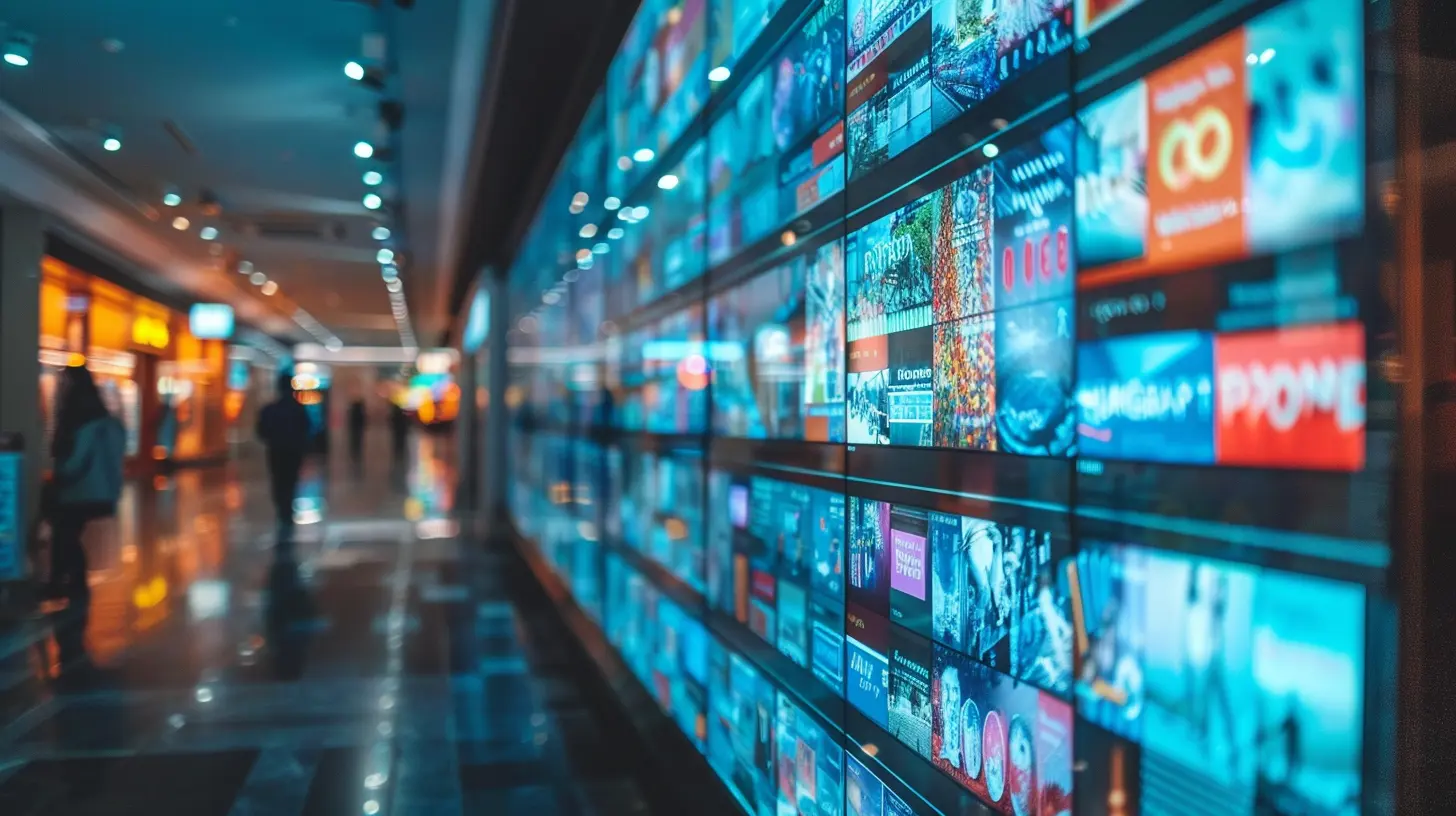
What Exactly Are Smart Displays?
Before we start throwing around futuristic buzzwords, let’s get clear on what smart displays really are.Think of them as the lovechild of a touchscreen, a digital assistant, and a marketing genius. Smart displays are high-tech, internet-connected screens that can display dynamic content—videos, ads, product demos, you name it—and adapt based on factors like customer behavior, time of day, or even inventory levels.
And no, these aren’t the clunky TVs from the early 2000s blasting ads on a loop. These are intelligent, interactive, context-aware screens that respond to the environment they’re placed in. They make old-school posters look like cave paintings.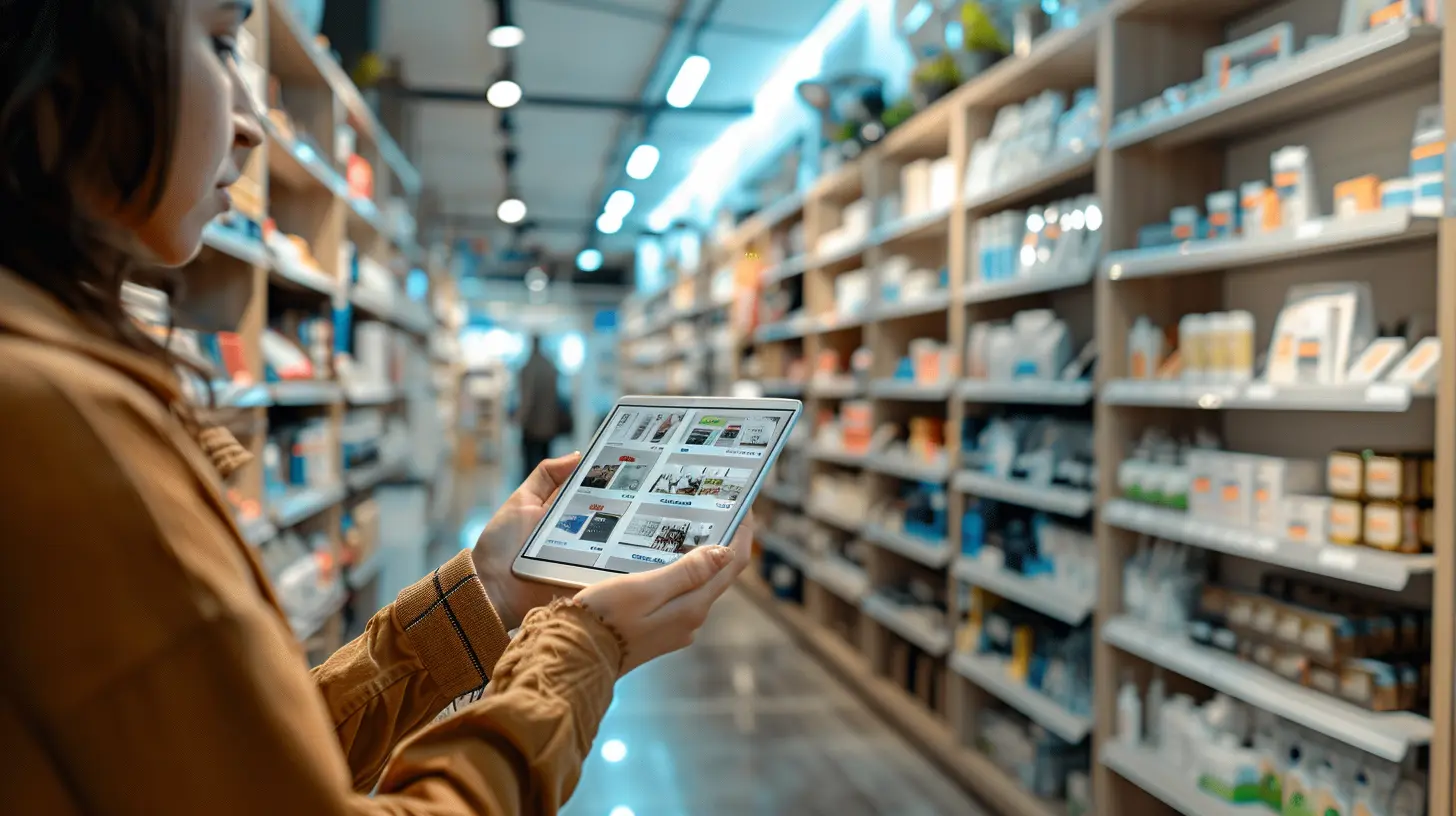
The Retail Landscape: Pre and Post Smart Displays
Let’s take a moment to remember what retail looked like before smart displays came into the picture.You walked into a store. Maybe there were a few signs on sale racks. A bored employee halfheartedly asked if you needed help. You hunted down the item, paid for it, and left. Functional? Sure. Memorable? Not even close.
Now flip the script.
You walk into a store. A digital screen recognizes the time of day and shows you a tailored promotion. You tap the screen and get product recommendations based on your preferences. In-store navigation guides you right to the item. Checkout? You guessed it—seamless and fast, no line-wrangling required.
That’s not sci-fi. That’s today’s smart display-powered retail world.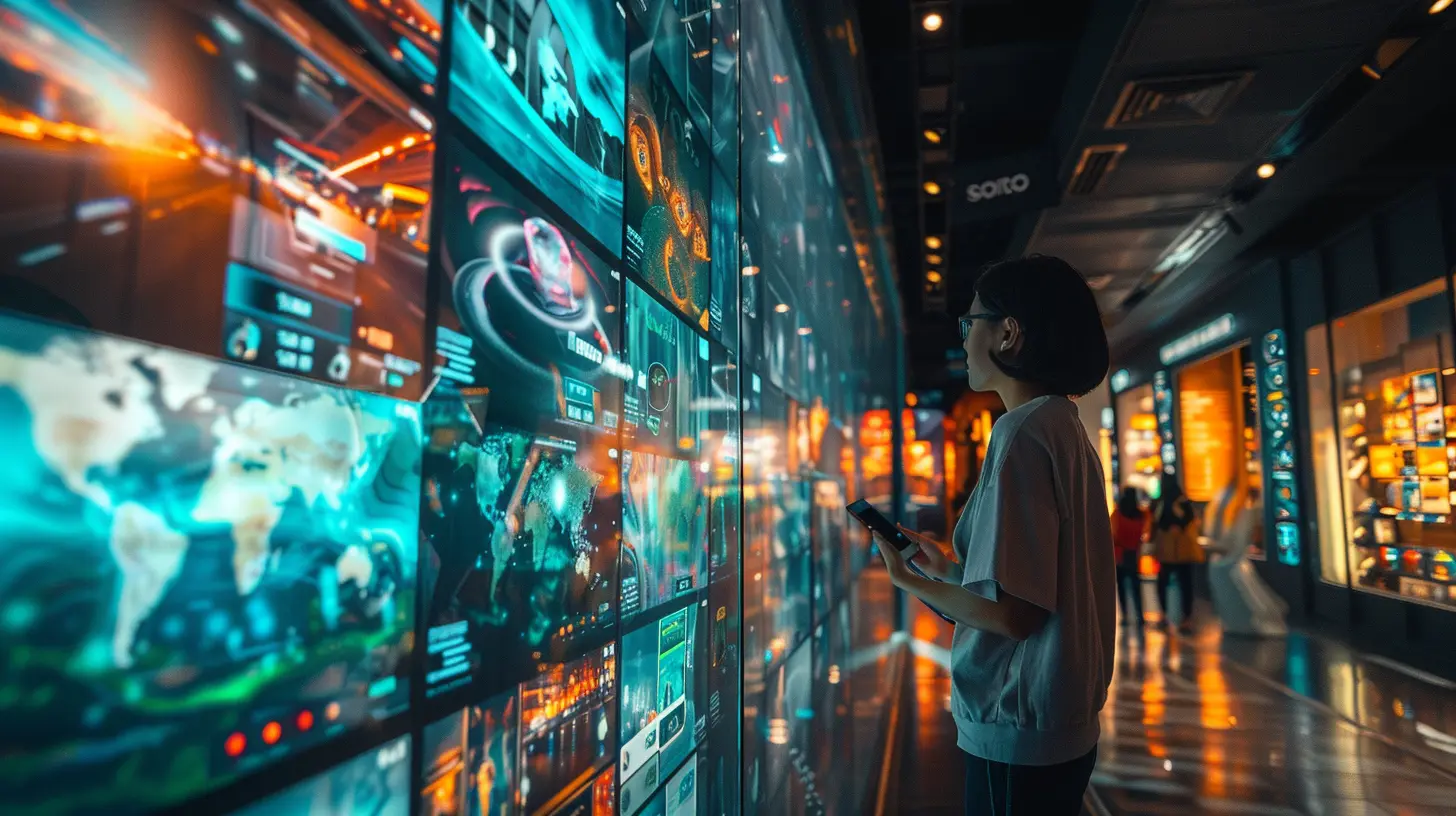
Real-Time Customer Engagement
Here's where it gets juicy. One of the biggest game-changers smart displays bring to the table is real-time engagement.Retailers are now using sensors and AI to track customer behavior in-store. When someone lingers in front of a product shelf, the nearby smart display springs into action. It might offer a limited-time discount, show a 3D model of the product in action, or even ask the shopper what they're looking for.
That’s personalized marketing on steroids.
You're not just throwing spaghetti at the wall and hoping something sticks. You're giving shoppers content that actually matters to them—and doing it in the moment it counts.
Dynamic Pricing and Promotions
Ever dream of walking into a store and getting a better deal just because it's Tuesday and you're awesome? Smart displays are making that dream real.Retailers can now adjust pricing and promotions based on live data. Weather forecast says it’s gonna rain tomorrow? Boom—umbrellas are 20% off today. Store traffic is low in the afternoon? Flash sale from 2 PM to 4 PM just popped up on the display.
This kind of agility is impossible with printed signs. Smart displays let stores experiment, adapt, and optimize their pricing like never before.
Endless Aisle, Literally
Ever walked into a store only to find out your size or color is out of stock? Ugh. Worst feeling, right?Enter the "endless aisle" concept. Smart displays now let customers browse the entire inventory—both in-store and online—on interactive screens. Can’t find that red jacket in medium? Tap it on the screen, order it, and have it shipped to your door.
This blends the best parts of e-commerce with the hands-on feel of in-store shopping. No frustration. No compromise. Just click, tap, and get what you want.
Boosting Brand Experience and Storytelling
Let’s get a bit emotional here. People don’t just want to buy stuff—they want to feel something.Smart displays give brands a dynamic canvas to tell their story. Whether it’s showing the eco-journey of a sustainably made shoe or giving a behind-the-scenes look at how a product is made, these displays make brands feel human.
Walk into a retail store with a story-rich smart wall, and suddenly, you're not browsing—you’re connecting. That emotional spark? That’s what turns a casual shopper into a lifelong customer.
Keeping Things Efficient (And Eco-Friendly!)
Okay, let’s talk business. Smart displays aren’t just about glam—they’re also helping stores get lean and green.Forget printing thousands of promotional posters every season. Digital screens allow instant updates, saving money on materials, labor, and time. Want to test a new campaign? A few taps and it's live.
And less paper waste? That’s a win for your budget and for Mother Earth.
Integration With Other Smart Tech
Smart displays don’t operate in a vacuum. They’re part of a bigger, smarter ecosystem.They can integrate with:
- POS systems to update pricing in real-time
- Inventory databases to show stock availability
- AI recommendation engines to enhance upselling
- Beacons and mobile apps to push contextual content
Imagine a smart display that knows your shopping history and shows you a personalized video before you even say a word. Sounds creepy? Maybe. But also super convenient, right?
Data Collection and Analytics Goldmine
Here’s the kicker—smart displays collect data. And not in a sketchy, big-brother sort of way, but in a super helpful way.Retailers can track:
- What products get the most screen interactions
- What promotional content drives conversions
- How shoppers navigate through the store
- Which times of day generate the most engagement
This data isn’t just numbers. It’s insight. And it lets brands tweak their in-store strategies down to a science.
Small Stores, Big Opportunities
You might be thinking, “Cool, but my store isn’t Walmart or Target.” Don’t stress. Smart displays aren’t just for the massive brands.There are affordable options tailored for small and medium businesses too. From countertop-sized tablet displays to scalable kiosks, there’s a smart solution for every budget and footprint.
And here’s the kicker: adopting smart displays gives smaller stores the edge to compete with the big dogs. It's like handing a slingshot to David in a world full of Goliaths.
The Future of Smart Displays in Retail
We’re just scratching the surface here.In the not-so-distant future, we’re talking about AR overlays, voice interaction, facial recognition, and displays that literally follow you around the store (okay, not literally—but kind of). They'll know your preferences, your purchase history, and maybe even your mood.
We're heading toward retail spaces that are living, reactive environments.
And if you’re not on this train yet, you seriously might get left behind.
Challenges? Sure. But Worth Tackling.
Let’s not sugarcoat it. Implementing smart displays isn’t all sunshine and rainbows. There are hurdles:- Initial cost can be high
- Privacy concerns need addressing
- Tech maintenance is ongoing
- Staff training is required
But here’s the thing—every major innovation has its growing pains. These are minor speed bumps on the road to a seriously upgraded retail experience.
So, Are Smart Displays Just a Trend?
Absolutely not.This isn’t a passing tech fad. It’s a fundamental shift in how we engage with the physical retail world. In the same way smartphones changed how we communicate, smart displays are reprogramming how we shop.
The retail space isn’t dying—it’s evolving. And smart displays are leading that evolution.
So if you're a retailer still clinging to paper signs and static shelves, it's time to ask yourself: Are you informing your customers... or are you inspiring them?
Because in today's fast-paced, screen-glued world, inspiration wins every single time.
Final Thoughts
Smart displays aren’t just screens. They’re salespeople. Storytellers. Strategists. Data scientists. And customer service reps all rolled into one.They’re not replacing humans—they're empowering them, freeing up staff to build real connections while the tech handles the heavy lifting. The smartest stores aren’t just embracing the future—they're building it.
So if you're in the world of retail and haven't given smart displays a second thought, now's the time. Because this transformation? Yeah, it's just getting started.
all images in this post were generated using AI tools
Category:
Smart DisplaysAuthor:

Reese McQuillan
Discussion
rate this article
1 comments
Grant Stevens
Smart displays are unlocking a new retail dimension... but what secrets lie behind their screens?
June 21, 2026 at 3:55 AM
Reese McQuillan
Smart displays are indeed changing the game. Behind the screens, data insights and customer interactions reveal preferences and trends that drive retail innovation.