How AI and Robotics Could Transform Future Education Models
7 May 2026
Imagine walking into a classroom where the teacher isn’t just a person, but a combination of human warmth and robotic precision. A world where students get personalized learning experiences, not in decades, but in real-time. Sounds futuristic? It’s closer than you think.
Artificial Intelligence (AI) and Robotics are no longer just buzzwords from sci-fi films. They’re advancing at breakneck speed, and education is one of the most promising frontiers for their impact. So, let’s dive right in and unpack how these technologies could completely reshape how we learn and teach.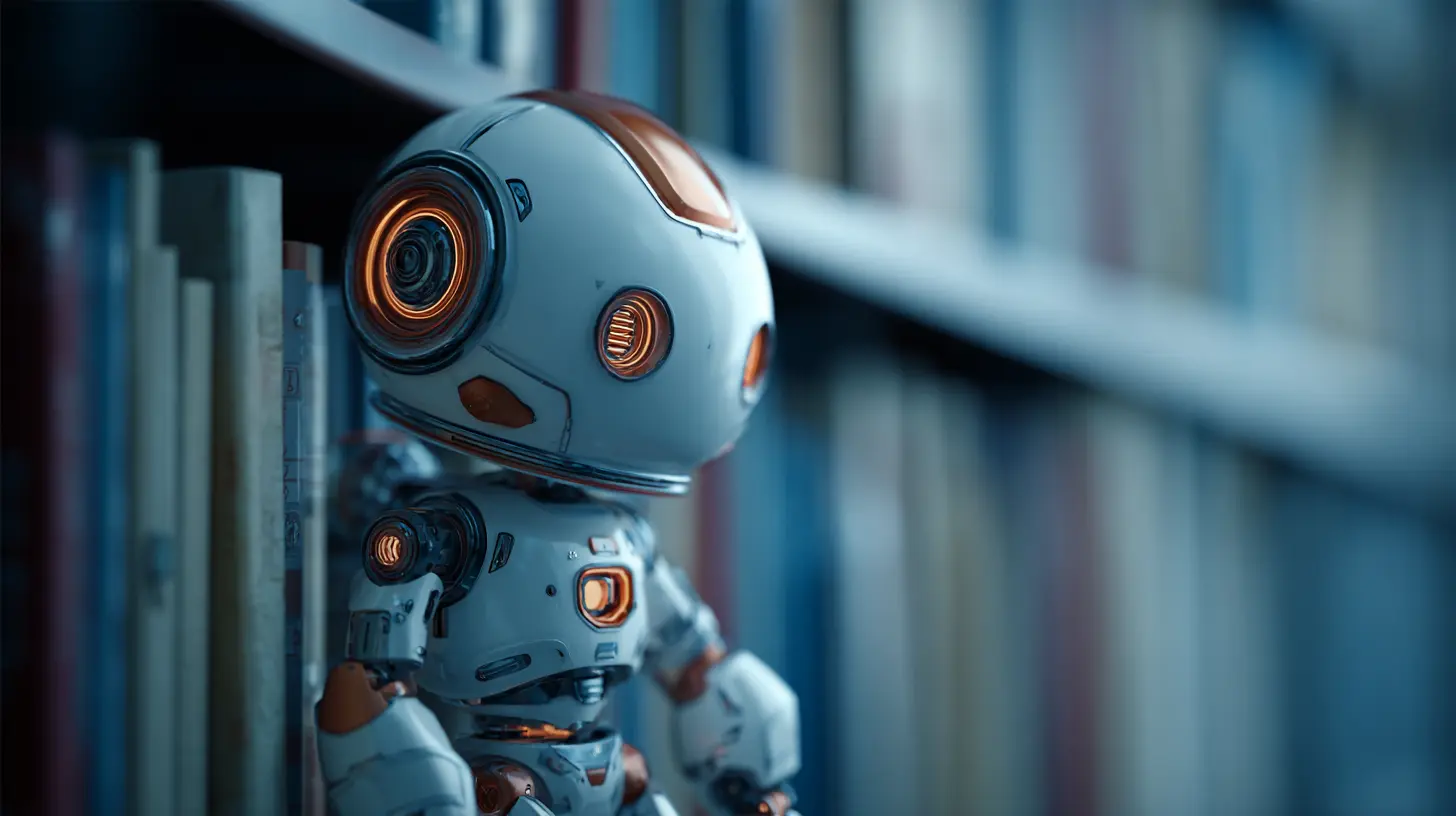
The Old Education Models Are Cracking
If we’re being honest, the current education system hasn't changed much in over a century. Rows of desks, one-size-fits-all lectures, standardized tests — it’s like everyone is expected to learn the same way, at the same pace, regardless of their strengths or weaknesses.But here’s the thing: kids aren’t factory products. They learn differently. Some are visual learners, some prefer hands-on activities, and others thrive on discussion. Yet traditional classrooms don’t accommodate this diversity well.
That’s where AI and Robotics walk in like the cool kids with better ideas.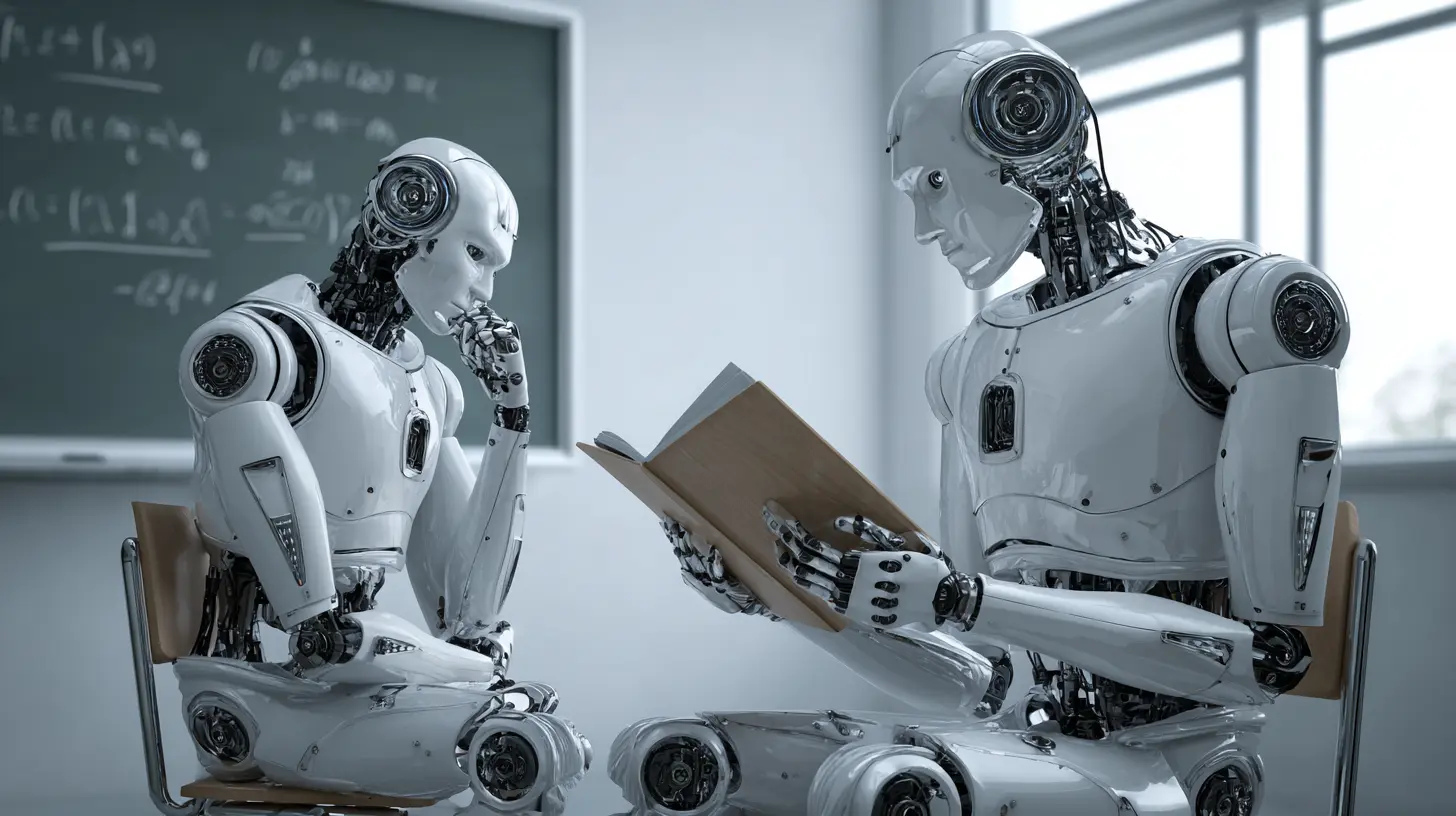
AI: The Brain That Never Sleeps
Artificial Intelligence is like having that one friend who remembers everything, never gets tired, and can adapt to any conversation. When introduced to education, AI doesn’t just assist—it transforms.1. Personalized Learning Paths
Every student learns at a different pace, right? AI can analyze how a student performs and tailor content just for them. Imagine math lessons adjusting in real-time so one student who’s breezing through algebra can move ahead, while another gets extra help with simpler problems.It’s like having a private tutor for every student, 24/7.
2. Instant Feedback (No More Waiting for Test Results)
Let’s be honest, waiting days or weeks for test results can be a buzzkill. AI systems can assess quizzes and assignments immediately, providing instant feedback. Students know where they stand, and teachers can identify who needs help—right then and there.3. Language Translation & Accessibility
For students who speak different languages or have disabilities, AI can be a game changer. Tools like real-time language translation and text-to-speech ensure that learning isn’t limited by language or physical ability.Accessibility doesn't become an afterthought; it becomes the default.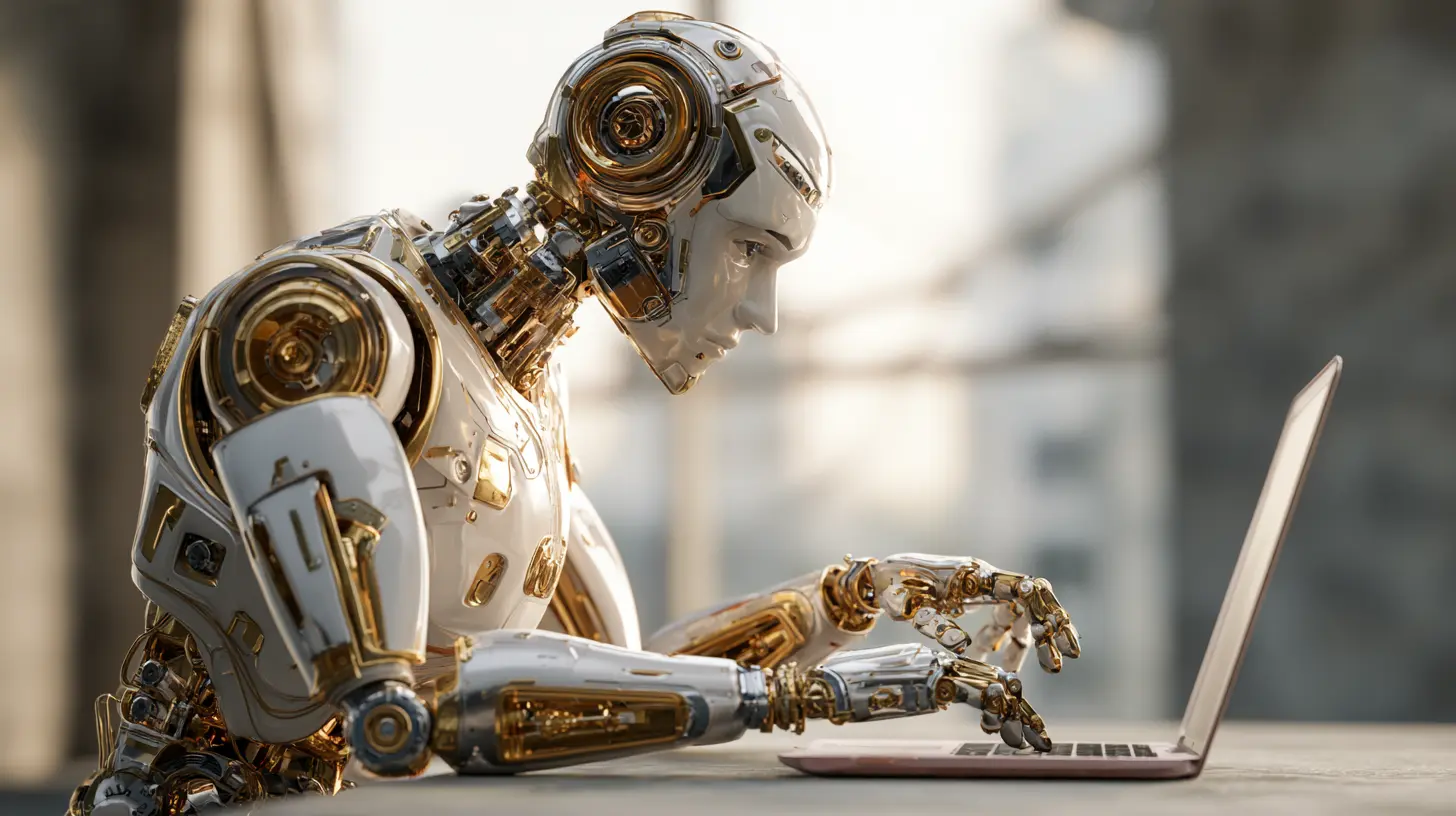
Robotics: From Classroom Assistants to Learning Companions
When you think of robots in education, you might imagine clunky machines checking homework. But today’s educational robots are way more advanced (and cuter, too).1. Teaching Assistants That Never Get Bored
Robots can take care of repetitive tasks—like taking attendance or distributing materials—so teachers can focus on what really matters: teaching.And they’re always patient. A robot won’t lose its cool if a student asks the same question five times. Instead, it repeats the answer with the same level of enthusiasm every single time.
2. STEM Comes Alive
Robots make subjects like science, technology, engineering, and math (STEM) far more interactive. Instead of just reading about coding, students can actually program a bot and see it move. It’s like giving your code legs to walk on. Learning becomes a hands-on adventure!3. Social Robots as Learning Buddies
Believe it or not, some robots are designed to teach soft skills, like communication, empathy, and teamwork. Yes, you read that right. Robots equipped with facial recognition and emotional response systems can help kids develop emotional intelligence.Sounds wild, but it's already being tested in classrooms around the world.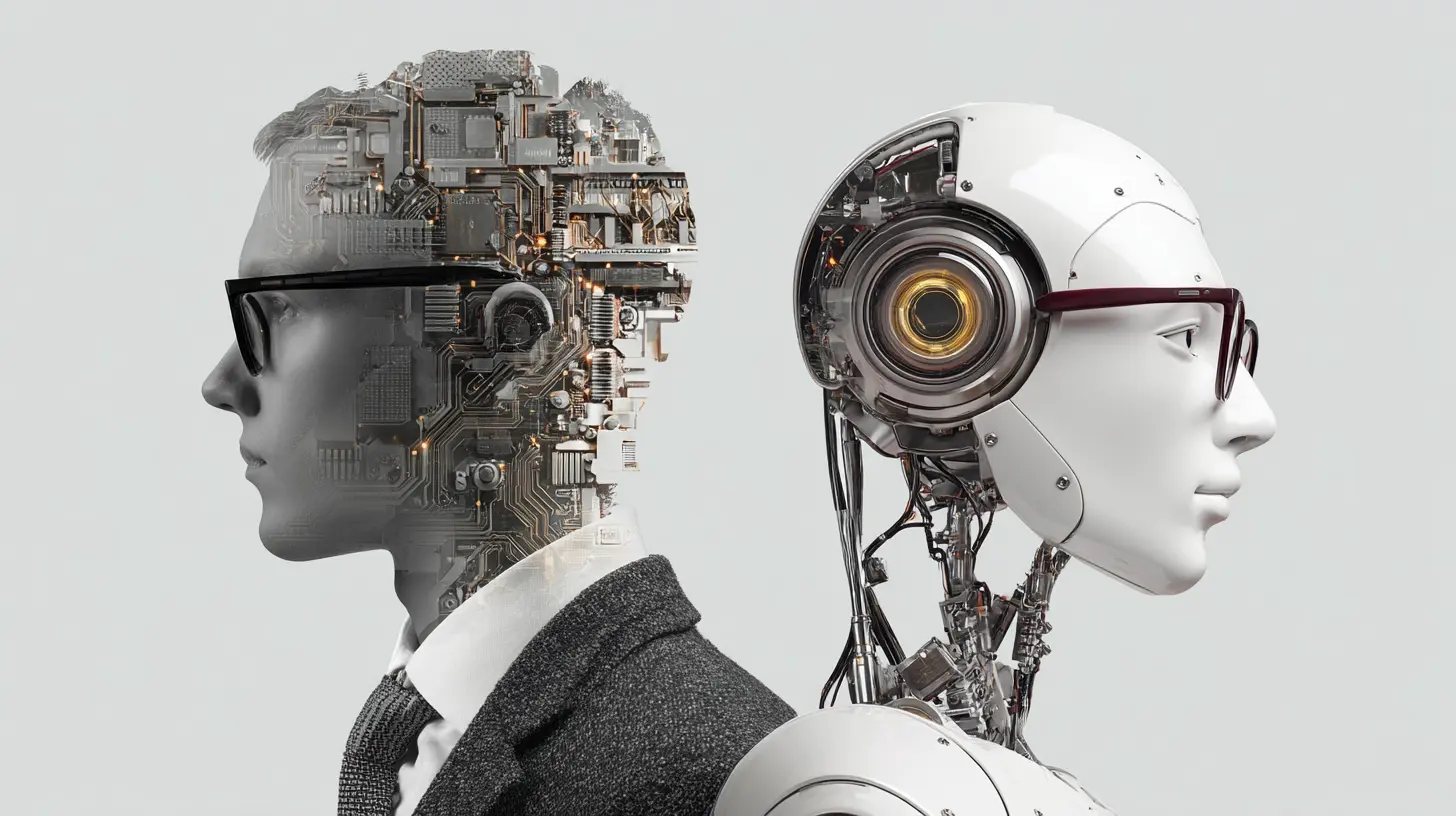
The Role of Teachers in an AI-Driven Classroom
Let’s get this straight: AI and robots aren’t here to replace teachers. That’s like saying calculators replaced math teachers. They’re here to enhance the experience, not take over.Teachers as Facilitators, Not Lecturers
With AI handling data analysis and basic instruction, teachers can shift their focus to mentoring, motivating, and managing social-emotional learning. They become more like coaches guiding students through their personal journeys rather than just delivering content.More Time for Human Connection
Think of all the hours teachers spend grading, planning, tracking progress—it’s exhausting. If AI takes over these tasks, imagine the time teachers will have to actually connect with their students one-on-one.And isn’t that what great teaching is all about?
Breaking Down Barriers to Education
One of the most exciting parts about AI and Robotics? They can bring education to places and people left behind by traditional systems.1. Rural and Remote Learning
In areas with limited access to quality teachers or schools, AI-powered virtual classrooms and robotic tutors can step in. Kids in rural villages could have the same learning opportunities as those in big cities.2. Learning at Any Age
With AI, learning never stops. Whether you're 5 or 55, these tools can help you learn new skills at your own pace. Think lifelong learning, made accessible to everyone.3. Affordable Education
With automation, the costs of delivering high-quality education can drop significantly. No more skyrocketing tuition fees or resource shortages.Access to top-tier education could become a universal right, not a privilege.
Potential Challenges and Ethical Dilemmas
Alright, it’s not all sunshine and rainbows. With new technology comes new challenges—and we can’t ignore them.1. Data Privacy Concerns
AI learns from data, and education systems will collect a lot of it. Who owns this data? How is it protected? What if it's misused? These are serious questions that need clear answers.2. Tech Dependence
Relying too much on AI might make students and teachers overly dependent on machines. What happens when the system crashes or makes an error? There needs to be a balance.3. Inequality of Access
Ironically, while AI and Robotics have the power to democratize education, not everyone has access to devices or the internet. If we’re not careful, we could widen the digital divide rather than close it.The Future Classroom: A Vision Worth Dreaming
Let’s imagine the classrooms of 2040. Students walk in and interact with a blend of human teachers and AI assistants. Robots help with experiments, while adaptive software customizes each student’s curriculum. There’s no “standard” student because everyone gets a learning experience tailored to them.No more dreaded multiple-choice exams that measure memory instead of mastery. Instead, you’ll have project-based assessments, gamified learning, and real-world simulations.
Education becomes something students don't just attend—they live it.
Real-World Examples Already Making Waves
Some of this might sound far-fetched, but pieces of this future are already here.- China is experimenting with AI headbands that monitor student focus during class.
- South Korea uses cute social robots in early education to teach English.
- Finland integrates AI into its national curriculum to teach kids how the technology works.
These are not pilots—they’re the first glimpse of a full-blown transformation.
So, What’s Next?
We’re on the edge of a major educational revolution. AI and Robotics won’t just tweak our schools—they’ll reinvent them. But the future isn’t set in stone. It’ll take careful planning, ethical oversight, and a lot of collaboration between technologists, educators, and policymakers.The goal? A world where anyone, anywhere, can learn anything at any time—with the help of brilliant machines and even more brilliant educators.
It’s coming faster than you think. Are you ready?
all images in this post were generated using AI tools
Category:
Future TechAuthor:

Reese McQuillan
Discussion
rate this article
2 comments
Levi Lawrence
Exciting possibilities ahead! AI and robotics will redefine learning experiences.
July 1, 2026 at 11:36 AM
Madison O'Brien
AI and robotics can personalize learning, fostering creativity and critical thinking in students' education.
May 19, 2026 at 2:44 AM
Reese McQuillan
Absolutely, personalized learning through AI and robotics can ignite creativity and enhance critical thinking, shaping a more engaging educational landscape for students.