G and the Future of Remote Learning
16 November 2025
Remote learning has come a long way from grainy video calls and endless PDFs. It’s no longer just a band-aid solution in times of crisis; it’s becoming a full-on lifestyle. But there’s a quiet revolution brewing in the background—one that’s about to supercharge this digital transformation. Enter: G.
But wait—what exactly is "G"? If you’re thinking about 5G or even 6G, you’re on the right track. But let’s not stop there. “G” isn't just a number; it represents a new generation of connectivity, a shift in how we communicate, learn, and grow.
So grab a coffee (or your favorite brain-fueling snack), and let’s dive into how G is reshaping the future of remote learning in ways that might just blow your mind.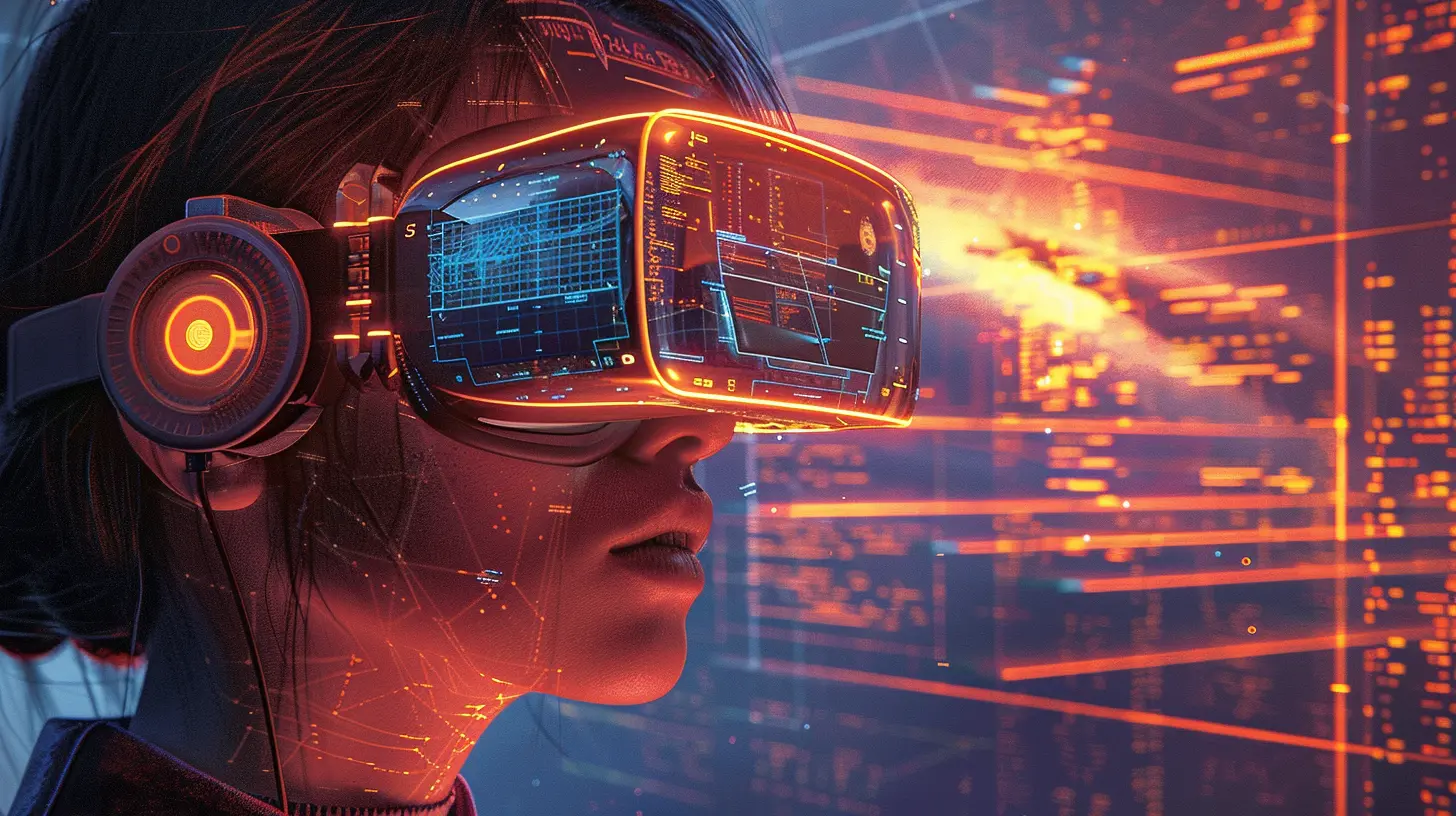
What Is "G" Anyway?
Let’s break it down. The "G" stands for Generation in mobile networks. We've journeyed from 1G (basic voice calls) to 2G (text messages), then to 3G (basic internet), 4G (streaming and apps), and now we're in the age of 5G, with 6G on the horizon.Each leap in G has brought a wave of innovation, and the world of education is no exception.
- 5G: Lightning-fast speeds, ultra-low latency, stable connections.
- 6G (expected by 2030): Think immersive holograms, AI-driven interactions, and beyond.
Sounds sci-fi? You bet. But it’s more real than you might think.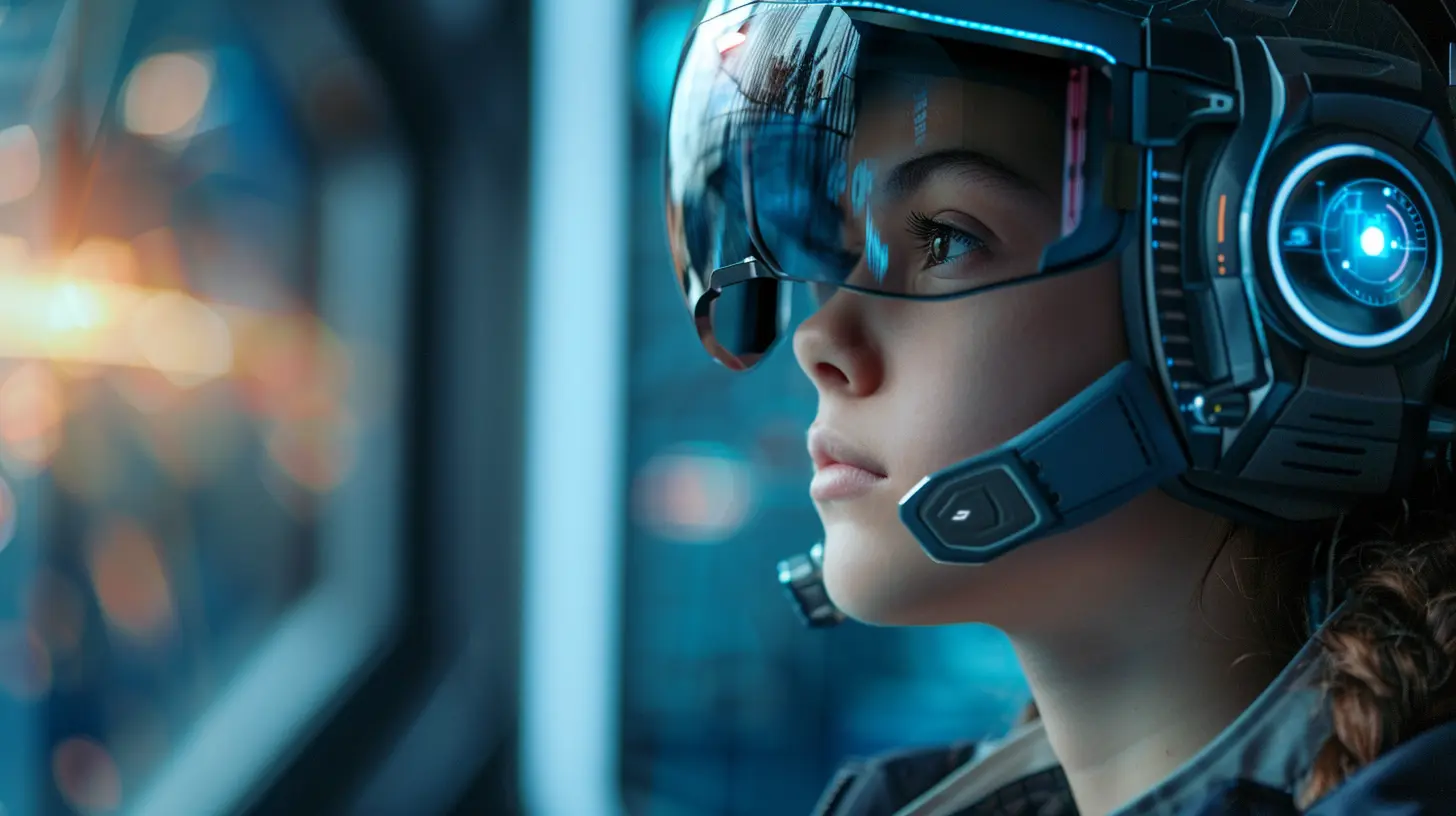
Why Remote Learning Isn’t Just a Trend
Let’s be honest—remote learning got its big break during the pandemic. But guess what? It’s not going anywhere.Here’s why:
- It offers flexibility. Learn at your pace, from anywhere.
- It’s inclusive. Whether you're in a city or a remote village, all you need is a connection.
- It’s cost-effective. Say goodbye to commuting and overpriced campus meals.
But here’s the catch: all of this only works if the tech backbone is strong enough. That’s where G swoops in like a superhero in wireless armor.
How G Is Supercharging Remote Learning
1. Blazing Fast Speeds Mean No More Buffering
You know that awkward moment when your online lecture freezes just as your professor is explaining a crucial equation? Yeah, not fun.With 5G (and soon 6G), speeds are so fast that you can stream ultra-HD videos, run multiple applications, and download resources in seconds. It’s like upgrading from a bicycle to a jet engine.
2. Latency So Low, It Feels Like Real Life
Latency is the time it takes for data to travel from point A to B. In remote learning, high latency means lag, delays, and that annoying echo in video calls.With 5G offering latency as low as 1 millisecond, you can have real-time interactions that feel almost face-to-face. Virtual classrooms suddenly become a lot more lifelike.
3. Massive Device Connectivity – Hello, Smart Classrooms!
G technologies can support a massive number of devices connected at once without performance drops. That means:- Smartboards
- Augmented Reality (AR) tools
- Virtual Reality (VR) headsets
- AI tutors
All working together in a seamless digital ecosystem. It’s like orchestrating a symphony of tech to create the perfect learning harmony.
The Rise of Immersive Learning Experiences
Let’s kick it up a notch. We’re not just talking about video calls anymore.Virtual Reality (VR) and Augmented Reality (AR)
With G, these technologies can be truly unleashed. Imagine:- Walking through the pyramids of Egypt during history class—virtually.
- Conducting a chemistry experiment in a fully simulated lab.
- Using AR to label the parts of the human body in real-time.
It’s not just fun; it enhances understanding. You remember what you experience better than what you just read.
AI-Powered Personalized Learning
G-enabled platforms can process heaps of data in real time. This means AI can tailor lessons to a student’s needs, learning pace, and preferences—like having a personal tutor, available 24/7.No more one-size-fits-all. It’s education, customized down to the letter.
Bridging the Digital Divide
Here’s the real beauty of G: it has the power to make education more equitable.Millions of students around the world struggle with basic internet access. 5G and 6G, with their potential to reach remote areas wirelessly, could bridge that gap. Think rural villages getting the same learning opportunities as urban hubs.
Of course, infrastructure is key, and it won’t happen overnight. But we’re on the right track.
Challenges to Watch Out For
Not everything is rosy. Like every hero, G has its kryptonite.Infrastructure and Costs
Setting up 5G (and eventually 6G) is expensive. Developing countries may lag behind unless there’s global cooperation and investment.Privacy and Data Security
More tech means more data. And more data means more chances for breaches. Schools, students, and providers need robust safeguards.Tech Fatigue
Let’s not forget the human side. Too much screen time can burn us out. Even if G gives us endless options, balance is key.G-Powered Innovations That Will Redefine Education
Let’s peek into the crystal ball. Here's what the classroom of the future might look like:Holographic Teachers
Forget Zoom. With 6G, we could have lifelike holograms delivering lectures right into your living room. You’d almost feel like your teacher is standing beside you.Hands-Free Learning
Smart glasses connected through G can overlay information as you look at objects. Studying biology? Just look at a tree, and facts pop up instantly.Global Classrooms
Students from different continents learning together in real time, thanks to ultra-fast, stable connections. Cultural exchange and collaborative learning like never before.How Educators Can Prepare for the G Revolution
Ready or not, the G-powered future is coming. So how do educators and institutions ride this wave?1. Embrace Continuous Learning
Teachers need to stay updated on new tools and methodologies. Online certifications, webinars, and tech boot camps can help bridge the knowledge gap.2. Invest Smartly
It’s not about buying every shiny gadget. It’s about understanding which tools actually enhance learning and making strategic investments.3. Foster Digital Literacy
Students need to be digitally fluent—not just in using tools, but in understanding the ethics, risks, and opportunities they bring.The Human Touch Still Matters
With all this talk about tech, let’s not forget the most vital ingredient in learning: human connection.All the Gs in the world can’t replace a passionate teacher, peer support, or that "aha!" moment when something finally clicks. Technology is the tool, not the teacher.
Remote learning powered by G will thrive when we use it to enhance humanity, not replace it.
Final Thoughts: G Is the Gearshift, Not the Destination
At the end of the day, G is like adding rocket fuel to an already powerful engine. It doesn’t change the purpose of education—it amplifies it.G is pushing us toward a future where learning is:
- More immersive
- More inclusive
- More personalized
But it’s up to us—educators, students, tech developers, and policy makers—to steer this ship in the right direction.
So, next time you hear someone say “G is just about faster phones,” tell them it’s also about faster minds, wider knowledge, and a world where education truly has no boundaries.
Are you ready to plug in?
all images in this post were generated using AI tools
Category:
5g TechnologyAuthor:

Reese McQuillan
Discussion
rate this article
1 comments
Miranda Peterson
The article insightfully explores G's innovative approaches to remote learning, highlighting potential enhancements in engagement and accessibility, shaping education's future landscape.
November 21, 2025 at 5:09 AM
Reese McQuillan
Thank you for your kind words! I'm glad you found the insights on G's innovative approaches valuable in discussing the future of remote learning.