Fanless Laptops: Silent Powerhouses or Overhyped Devices?
2 June 2026
In the ever-evolving world of technology, there’s always something new to catch our attention. One of the latest trends in the laptop market is fanless laptops. These machines, as the name suggests, lack the traditional cooling fans we’ve come to expect in laptops. Instead, they rely on passive cooling methods to keep things running smoothly. Sounds cool, right? (Pun intended!)
But are fanless laptops truly silent powerhouses, or are they just overhyped devices that can’t handle the heat (pun intended again!)? Let’s dive into the world of fanless laptops and find out if they’re worth your hard-earned cash.
What Are Fanless Laptops?
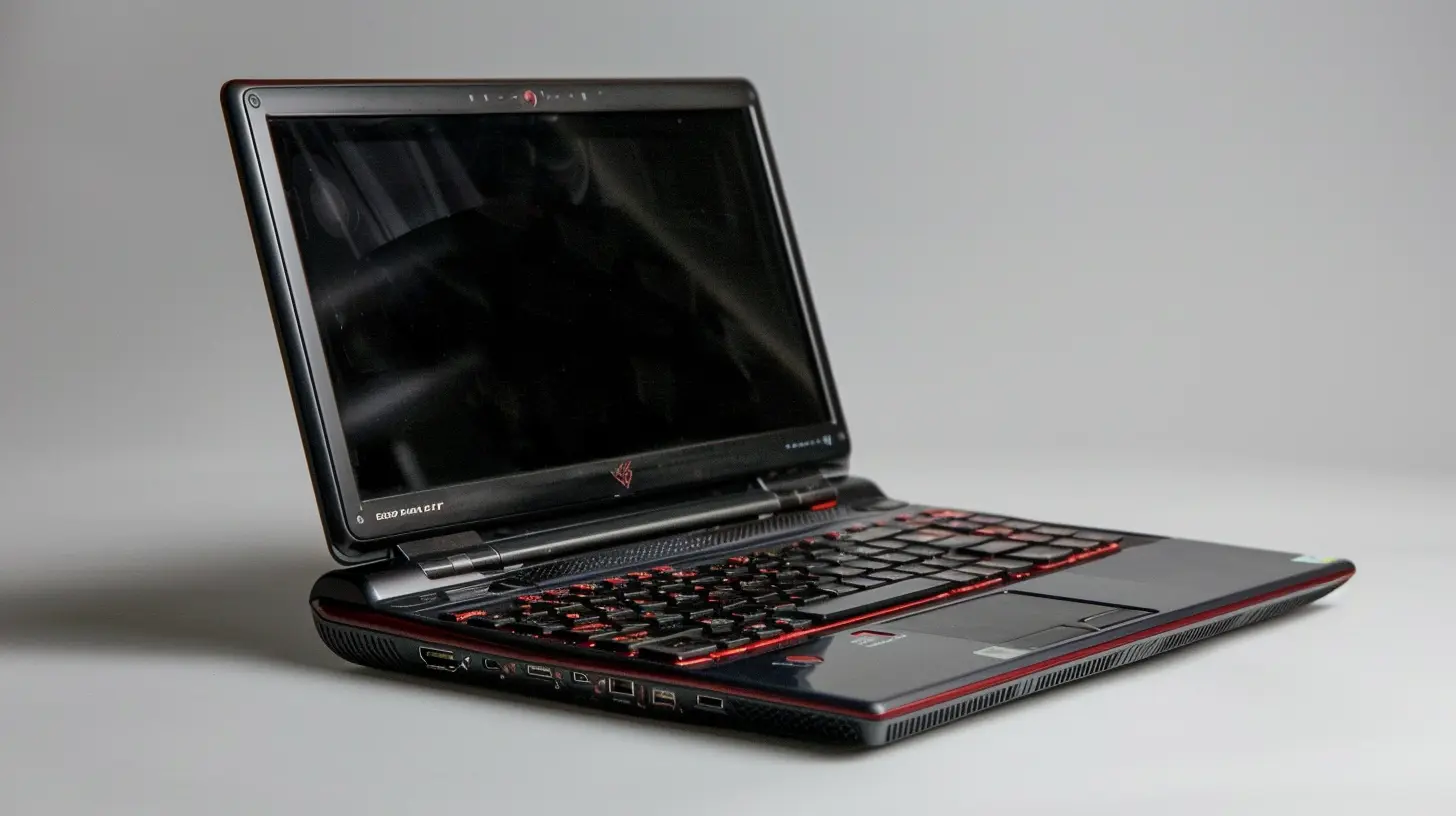
Before we get ahead of ourselves, let’s first break down what we mean by "fanless laptops."Traditional laptops use fans to keep the internal components cool. As you use your laptop, heat builds up, especially when you're multitasking, gaming, or working on resource-heavy projects like video editing. The fan kicks in to expel that heat, keeping your CPU and other components in the safe temperature zone.
Fanless laptops, on the other hand, rely on passive cooling. This means they use materials (often metal, like aluminum) and design techniques to dissipate heat without needing a fan. The result? A completely silent operation. No more whirring, buzzing, or jet engine noises when you're trying to focus. Sounds pretty awesome, right?
But, as with most tech innovations, there are pros and cons. Let’s take a closer look.
The Benefits of Fanless Laptops
1. Whisper-Quiet Operation
Let’s start with the most obvious advantage – silence. If you’ve ever been in a quiet room with a laptop that suddenly sounds like it’s about to take off into space, you know how disruptive it can be. Fanless laptops eliminate this problem entirely. They run so quietly that you might forget they’re even on.For people who work in noise-sensitive environments, like libraries or during meetings, this can be a game-changer. Silence is golden, as they say.
2. Slim and Lightweight Design
Without the need for bulky fans, manufacturers can make fanless laptops thinner and lighter. These laptops tend to be ultra-portable, making them ideal for frequent travelers, students, or anyone who needs a laptop that’s easy to carry around.Compare this to traditional laptops that need extra space for cooling systems, and you can see why fanless designs are becoming more popular.
3. Improved Durability
Fans are one of the few moving parts inside a laptop, and moving parts tend to wear down over time. Without a fan, there’s one less thing to break or get clogged with dust. Fanless laptops are also less prone to overheating due to dust buildup since there’s no fan to suck in particles.That means fewer maintenance worries and a laptop that could potentially last longer.
4. Energy Efficiency
Fanless laptops are often designed with low-power processors that generate less heat, which means they use less energy. This can translate into longer battery life. If you’re someone who’s always on the go and doesn’t want to be tethered to a power outlet, this could be a huge benefit.5. No Dust Buildup
Fans are notorious for accumulating dust over time. If you’ve ever opened up an old laptop, you’ve probably seen the mountains of dust caked around the fan. Not only does this clog up the system, but it also reduces cooling efficiency. With a fanless laptop, there’s no fan to attract dust, which means less maintenance and a cleaner interior.
The Drawbacks of Fanless Laptops
Of course, no technology is perfect. While fanless laptops have their appeal, there are some downsides you need to consider before making a purchase.1. Performance Limitations
Fanless laptops typically use low-power processors (like Intel’s Y-series or ARM-based chips) to avoid generating too much heat. While these processors are fine for everyday tasks like browsing the web, streaming videos, or writing documents, they may struggle with more demanding applications.If you’re into gaming, video editing, or any other task that requires a lot of processing power, a fanless laptop might not be able to keep up. The lack of active cooling means that the laptop could throttle performance to avoid overheating.
In short, don’t expect a fanless laptop to handle the latest AAA games or heavy-duty productivity software without breaking a sweat.
2. Heat Management Issues
Passive cooling is great in theory – and it works well for low-power tasks. But when you push a fanless laptop to its limits, it can still get hot. Without a fan to help dissipate that heat, the laptop might become uncomfortably warm to the touch. In some cases, the device may even throttle performance to keep from overheating, which can lead to noticeable slowdowns.If you’re someone who often works with resource-intensive programs, this might be a dealbreaker.
3. Limited Upgrade Options
Fanless laptops are often designed to be as compact and energy-efficient as possible. This means there’s usually limited space inside for upgrades. Don’t expect to be able to swap out the RAM, add a larger hard drive, or upgrade the CPU. What you see is pretty much what you get.So, if you’re the type of person who likes customizing or upgrading their devices over time, a fanless laptop might feel a bit restrictive.
4. Price
While fanless laptops are often marketed as lightweight and portable, they’re not always the most affordable option. The materials and design techniques required to make a fanless laptop efficient and reliable can be expensive. As a result, you might end up paying a premium for a fanless design, especially if you’re looking at high-end models.Of course, there are budget-friendly fanless laptops out there, but they might come with significant performance trade-offs.
Who Should Buy a Fanless Laptop?
Now that we’ve covered the pros and cons, the big question remains: Is a fanless laptop right for you?Here are a few scenarios where a fanless laptop might be a good fit:
1. You Prioritize Silence
If you work in quiet environments or simply can’t stand the noise of a traditional laptop fan, a fanless laptop is an excellent choice. The silence of these machines is unmatched, making them ideal for those who value peace and quiet.2. You’re a Light User
Fanless laptops are great for people who primarily use their laptop for light tasks like browsing the web, streaming videos, checking email, or writing documents. If you don’t need a ton of processing power, the low-power processors in fanless laptops will serve you well.3. You Want Portability
Fanless laptops are often ultra-thin and lightweight, making them perfect for students, travelers, or anyone who needs to carry their laptop around frequently. If you’re always on the go, a fanless laptop could be the ideal companion.4. You Value Durability
Since fanless laptops have fewer moving parts, they’re often more durable and require less maintenance. If you’re someone who doesn’t want to worry about dust buildup or fan failures, a fanless laptop could provide some peace of mind.Who Should Skip a Fanless Laptop?
On the flip side, fanless laptops might not be the best option for:1. Power Users
If you need a laptop for gaming, video editing, 3D rendering, or any other resource-heavy task, a fanless laptop probably won’t cut it. The passive cooling system just isn’t designed to handle the heat generated by these intensive applications.2. Tech Enthusiasts Who Love Upgrades
Fanless laptops often come with limited upgrade options. If you’re the type of person who likes to tinker with your devices, upgrade components, or future-proof your laptop, you might feel restricted by the lack of customization in fanless designs.3. Budget Shoppers
While there are affordable fanless laptops out there, many of the premium models come with a hefty price tag. If you’re looking for a powerful machine at a budget price, you might be better off with a traditional laptop.
Conclusion: Silent Powerhouses or Overhyped Devices?
So, are fanless laptops silent powerhouses or overhyped devices? The truth is, it depends on your needs.Fanless laptops excel in specific areas: they’re quiet, lightweight, durable, and energy-efficient. For the right user – someone who values portability and doesn’t need a ton of raw power – they can be a fantastic option.
However, they do have their limitations, particularly when it comes to performance. If you’re a power user or need a laptop for intensive tasks, a fanless design might leave you feeling underwhelmed.
Ultimately, whether a fanless laptop is right for you comes down to your priorities. If silence, portability, and durability are at the top of your list, a fanless laptop could be your new best friend. But if you need a high-performance machine, you might want to stick with a traditional model.
all images in this post were generated using AI tools
Category:
Laptop ReviewsAuthor:

Reese McQuillan
Discussion
rate this article
1 comments
Mallory Garcia
Fanless laptops are a game changer! It's exciting to see tech evolve with silent performance and sleek designs. They combine convenience and power beautifully, making them perfect for anyone who values a quiet workspace. What a joy!
June 4, 2026 at 11:58 AM
Reese McQuillan
I appreciate your enthusiasm! Fanless laptops do offer a unique blend of silence and style, making them appealing for many users. It will be interesting to see how they continue to develop in the future.