Exploring the Role of Smart Displays in Smart Home Ecosystems
15 June 2026
Smart homes have gone from a futuristic fantasy to a very real, very convenient part of our daily lives. Whether you're dimming the lights with your voice, checking who's at your door without leaving the couch, or queuing up your favorite playlist as you cook, smart technology is changing the way we live. And smack dab in the center of it all? Smart Displays.
In this article, we’re rolling up our sleeves and diving deep into the role of smart displays in smart home ecosystems. These nifty devices aren’t just fancy screens—they’re the brains, the faces, and often the very voice of our connected homes. So grab a coffee (or tell your smart display to make you one), and let’s break down why these devices are the unsung heroes of smart living.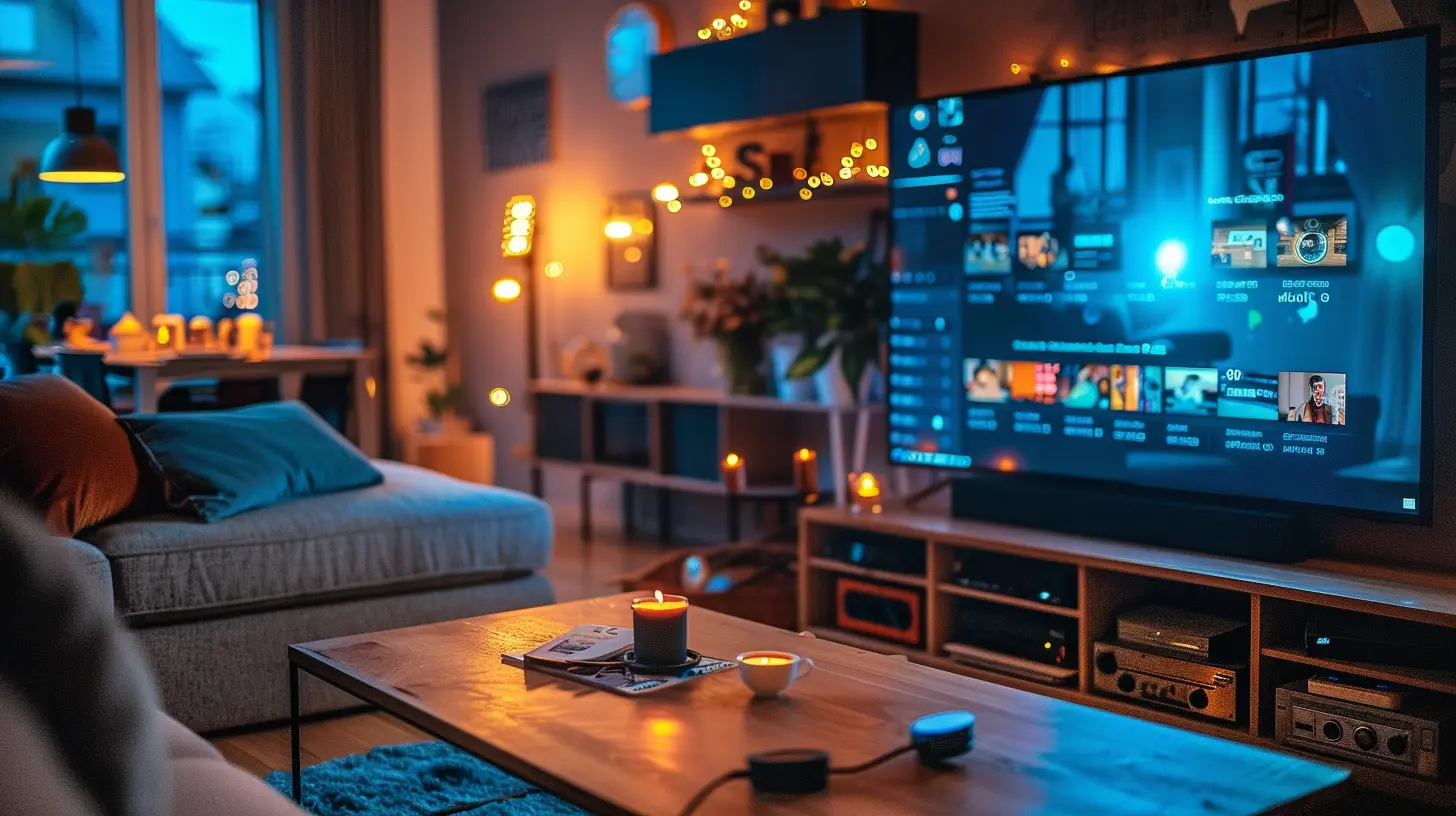
What Exactly Is a Smart Display?
Before we get too deep, let's make sure we're all on the same page.A smart display is basically a smart speaker with a screen. Think Amazon Echo Show, Google Nest Hub, or Lenovo Smart Display. It combines voice assistant functionality (like Alexa or Google Assistant) with a touchscreen that brings visual feedback into the mix—weather updates, video calls, recipes, security feeds, you name it.
It’s more than just a screen slapped on a speaker. It’s a visual interface that ties together all the elements of your smart home, making it easier to control and interact with everything around you.
Why Smart Displays Have Become Central to Smart Homes
So why are smart displays such a big deal now? Simple—they make smart homes more intuitive, more interactive, and way more user-friendly.Bridging the Gap Between Voice and Touch
You know those times when you're asking your smart speaker for something, and it just doesn’t get you? Maybe you're trying to find a recipe, but it keeps reading the wrong one. Or maybe you want to control your lights, but can’t remember the name of that one lamp.With a smart display, you get the best of both worlds: voice commands for hands-free control and a touchscreen when you need precision. It’s like having a remote control, a tablet, and a personal assistant all in one.
A Hub for All Your Smart Devices
Let’s face it—most of us don’t just have one smart device. You’ve probably got smart bulbs in a few rooms, a smart thermostat, maybe a smart doorbell or camera, and a couple of smart plugs. Managing all of these from different apps can be chaotic.Smart displays act like a command center. From one device, you can monitor your entire smart home, adjust settings, view live feeds, or even group devices for routines. It’s the dashboard your smart home never knew it needed.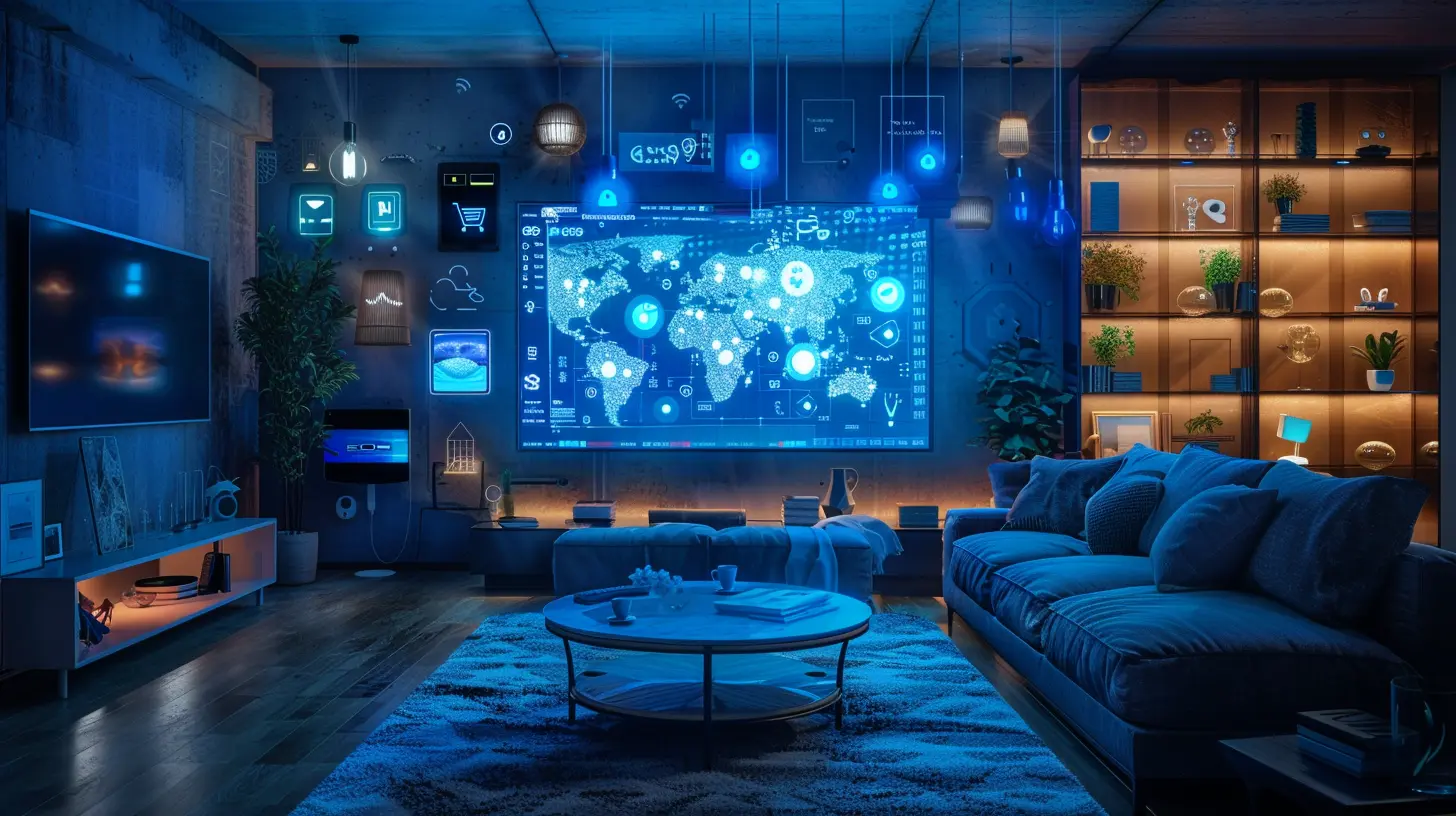
Use Cases That Make Smart Displays Invaluable
Let’s go beyond the marketing fluff. What can smart displays actually do that make them so awesome? Here's where the rubber meets the road.1. Visual Control of Smart Devices
Turning off the lights with your voice is cool, but seeing a visual layout of your house and tapping to turn off lights room-by-room? That adds a whole new level of control. Smart displays let you see which devices are on, their status, and give you the option to interact with them instantly.2. Security Monitoring
Have a smart doorbell or security camera? Smart displays shine here. When someone rings your doorbell, your display shows a live video feed. You can talk to the person at your door or even unlock your smart lock—all without moving an inch.Having visual confirmation gives peace of mind. You’re not just hearing “Motion detected at front door”—you're seeing exactly who or what triggered it.
3. Entertainment and Video Calling
Whether you're cooking and watching a YouTube tutorial, attending a Zoom family meeting, or playing a Spotify playlist through powerful speakers, smart displays are entertainment hubs.The screen adds an extra dimension. You’re not just hearing music; you're seeing album art, lyrics, or even singing along with karaoke-style text.
And for families and friends, video calling through services like Google Duo or Zoom brings people closer, especially when you’re miles apart.
4. Recipes and Kitchen Help
This is one of my personal favorites. You’re in the kitchen with messy hands, trying to read instructions from your phone screen—it’s frustrating.Smart displays are made for this. They walk you through recipes step by step, display timers, offer ingredient substitutes, and even take voice commands mid-recipe. It’s like having a sous-chef who never complains.
5. Daily Routines and Smart Automation
From “Good Morning” routines that show you the weather, calendar events, and traffic, to “Good Night” scenes that lock the doors, dim the lights, and play white noise—smart displays make routines visual and efficient.You can even create custom voice commands like, “Movie Night,” and your display will lower the lights, close the blinds, and fire up Netflix. It's the VIP experience... in your living room.
The Intelligence Behind The Screen: AI and Voice Assistants
Let’s not forget what powers these displays: artificial intelligence and voice recognition.Different displays use different assistants—Amazon uses Alexa, Google uses Google Assistant. But what they share is the ability to learn your habits over time. They understand your voice better with every command, customize suggestions, and even make proactive recommendations.
Ask your Google Nest Hub “What’s my day like?” and it pulls data from your calendar, commute, weather updates, and smart devices to give you a snapshot of your day. That’s not just smart—that’s life-changing.
Are Smart Displays Worth It?
If you’re already swimming in smart tech, a smart display is the cherry on top. But even for beginners, it can be a great entry point.Here’s why:
- User-friendly Interface: No more guessing what your devices are doing. See it all clearly.
- Multi-functionality: It’s your assistant, calendar, photo frame, control panel, speaker, and TV all in one.
- Family-Friendly: Even kids and tech-shy family members can use it with ease.
- Expandable: It works solo, but also grows with your smart ecosystem.
I’d argue that smart displays aren’t just worth it—they're essential if you want your smart home to feel truly, well, smart.
Privacy and Security Concerns—Let’s Talk About It
Now, we’d be doing you a disservice if we didn’t address the elephant in the room: privacy.Yes, these devices have cameras and microphones. Yes, they’re always listening (for wake words). But manufacturers are stepping up their game:
- Physical camera shutters
- Mute buttons
- On-device processing
- Clear privacy settings
The key is to understand what data you’re sharing and why. Regularly review privacy settings and choose a device from a trusted brand. It’s your home—you’re in control.
Choosing the Right Smart Display for Your Smart Home
Not all smart displays are created equal. Choosing the right one depends on your ecosystem (Google, Amazon, or Apple), budget, and what you use it for.Here are a few tips:
- ✔️ If you're deep into Google services: Go with the Nest Hub.
- ✔️ If you're Alexa all the way: Echo Show has tight integration.
- ✔️ Want a bigger screen for video calls or recipe instructions? Opt for a 10-inch display.
- ✔️ Primarily for bedroom use? Consider smaller 5-7 inch screens with camera privacy features.
Also, check what smart devices are compatible. Most displays today support Matter—a new standard aiming to unify smart homes—so future-proofing is getting easier.
The Future of Smart Displays in Smart Homes
We’re still at the beginning of what smart displays can do. With smarter AI, improved privacy, and deeper integration across devices, we’re heading toward homes that not only respond—but anticipate.Imagine walking into your house and your smart display detects your mood (via voice and face recognition), adjusts the lighting and music, and automatically pulls up your personalized relaxation routine. Sounds crazy? It’s not—this tech is right around the corner.
Smart displays aren’t a gimmick. They’re evolving into a must-have interface for every connected home.
Wrapping It Up
So, what’s the big takeaway?Smart displays are more than just digital picture frames with speakers. They're the glue that ties your smart home together, the friendly face of your tech, and the helpful assistant that makes life a little smoother and a lot more fun.
If you’re building a smart home or just dipping your toes into smart tech, consider making a smart display your first—or next—purchase. It’s the kind of tech you didn’t know you needed until you have it. And once you do? You’ll wonder how you ever lived without it.
all images in this post were generated using AI tools
Category:
Smart DisplaysAuthor:

Reese McQuillan
Discussion
rate this article
1 comments
Wolf Middleton
Smart displays are revolutionizing smart home ecosystems by serving as central hubs for device control, information access, and interactive experiences. Their integration enhances user convenience, enabling voice commands and visual feedback. As AI capabilities evolve, we can expect even more seamless interactions and personalized insights, solidifying their role in future smart homes.
June 15, 2026 at 4:27 AM