Exploring the Future of Artificial Intelligence in 2026
19 April 2026
Artificial Intelligence (AI)—a term that once felt like a buzzword pulled straight from a sci-fi novel—is now a part of our everyday lives. From voice-activated personal assistants to self-driving cars, AI is reshaping our world faster than we can often keep up with. But what will it look like in 2026? Let’s take a deep dive into this fascinating topic and ponder what the future might hold for artificial intelligence.
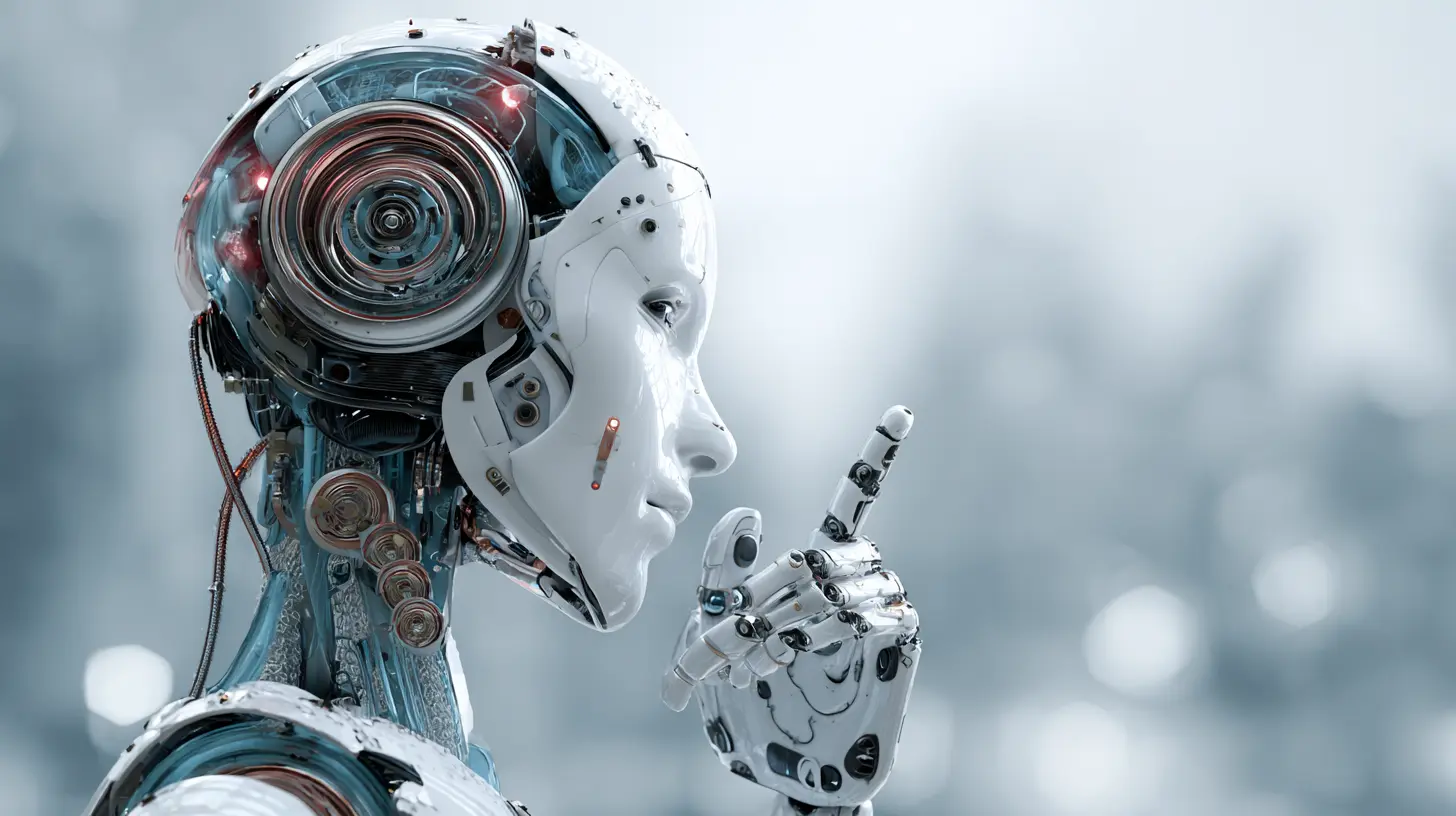
The Current State of AI
Before we jump into the crystal ball and gaze into 2026, let’s first take a moment to understand where we are right now. AI technologies are primarily focused on enhancing data processing capabilities, automating mundane tasks, and enabling better decision-making. We see it in action in various fields such as healthcare, finance, manufacturing, and even entertainment.For example, AI algorithms are now capable of analyzing vast datasets in seconds, diagnosing health conditions, and even predicting financial trends. However, while these capabilities are impressive, they are just the tip of the iceberg.

What Lies Ahead: The Trends Shaping AI in 2026
1. Hyper-Personalization
Imagine walking into a store and being instantly recognized by an AI system that knows your preferences so well that it can guide you directly to the items you love. Sounds like something out of a futuristic movie, right? But by 2026, we’re likely to see hyper-personalization become standard.AI will harness data from your past interactions, online behaviors, and even your social media activity to create tailor-made experiences. This kind of personalization isn’t just limited to shopping; it will extend to everything from news feeds that cater to your interests to personalized educational content.
2. Collaborative AI
Picture this: you’re working on a project, and instead of slogging through data analysis or brainstorming, you have an AI partner that can collaborate with you in real-time. This isn’t just a dream—collaborative AI will become a reality by 2026.With advancements in natural language processing and machine learning, we can expect AI systems to understand context better than ever. They’ll not only assist in tasks but also contribute ideas and insights, effectively functioning as a team member. This means more creativity, efficiency, and innovation in workplaces everywhere.
3. AI Ethics and Governance
As AI grows more powerful, so do the ethical dilemmas surrounding it. By 2026, we will likely see increased emphasis on AI ethics and governance. The conversations around bias in algorithms, privacy concerns, and accountability for AI-driven decisions will become more prevalent.Regulatory frameworks will need to catch up with technological advancements to ensure that AI is used responsibly. Think of it like the Wild West; without regulations, things can spiral out of control. As we navigate this complex landscape, society will have to strike a balance between innovation and ethical responsibility.
4. Enhanced Human-AI Interaction
Ever had a frustrating interaction with a chatbot that seemed to misunderstand your requests? By 2026, those days may be behind us. Enhanced human-AI interaction will be a significant focus, aiming to create seamless communication between humans and machines.Imagine AI systems that can read emotions, tone, and even body language! This will allow for more natural conversations, making technology feel less like a tool and more like an extension of ourselves. It’s like upgrading from a flip phone to a smartphone; the experience becomes more intuitive and engaging.
5. AI in Healthcare
Let’s be honest, healthcare is one of the most critical sectors where AI can make a profound impact. By 2026, we might see AI systems that can predict diseases before they manifest, analyze patient data to propose personalized treatment plans, and even assist surgeons during operations.The potential here is staggering. Think of AI as a super-smart medical assistant that never gets tired and can sift through millions of research papers in seconds. Not only will this save time, but it could also lead to breakthroughs we can’t even imagine yet.
6. AI and Climate Change
Now, how about putting AI to work for the planet? By 2026, AI could play a vital role in combating climate change. From optimizing energy consumption in smart grids to predicting natural disasters, the applications are vast.Imagine AI algorithms that can analyze weather patterns and suggest ways to reduce carbon footprints or enhance agricultural practices to conserve water. It’s like having a digital environmentalist at our fingertips, helping us make smarter choices for a sustainable future.
The Implications of Advanced AI in 2026
Job Market Transformation
With all these advancements, what does that mean for jobs? The narrative around AI often revolves around job displacement, but the reality is much more nuanced. By 2026, we may see a significant transformation in the job market rather than just outright loss.Many roles will evolve to work alongside AI technologies. Think of it as a partnership rather than competition. While some repetitive jobs may fade away, new roles will emerge—those focused on managing AI systems, interpreting data, or even designing AI-driven products.
Education and Skill Development
To thrive in this AI-enhanced world, education systems will need to adapt. Skills like critical thinking, creativity, and emotional intelligence will become more valuable than ever. In 2026, we might see a shift in educational curricula, incorporating AI literacy as a fundamental aspect of learning.Imagine students learning to collaborate with AI systems in classrooms, preparing them for the future workforce. This kind of skill development will empower young minds to innovate and navigate the complexities of an AI-driven world.
Societal Changes
As AI continues to weave itself into the fabric of our daily lives, societal changes will inevitably follow. The way we communicate, work, and even perceive reality may shift significantly. By 2026, we might find ourselves grappling with questions like: What does it mean to be human in an increasingly automated world? How do we ensure equitable access to AI technologies?The Rise of AI Companions
While it may sound a bit strange, AI companions—think of them as virtual pets or friends—could become commonplace by 2026. These companions will be more than just programmed responses; they might develop unique personalities and emotional connections with users.Imagine coming home after a long day to a virtual friend who knows your favorite shows, understands your mood, and can chat about your day. This could change how we think about companionship and mental health, providing support for those who feel isolated.
Overcoming Challenges
Technological Limitations
Despite the bright prospects for AI in 2026, we’ll face challenges. Current technological limitations in processing power, data security, and algorithmic bias need addressing for AI to reach its full potential. It’s a bit like trying to build a skyscraper with a shaky foundation; you can’t go too high without first ensuring stability.Public Perception
Public perception of AI will also play a crucial role. Misinformation and fear can hinder progress. By 2026, it’ll be essential to foster a better understanding of AI among the general public, showing its benefits while also addressing legitimate concerns. Think of it as nurturing a garden; education and transparency are the water and sunlight that help it grow.Ensuring Inclusivity
As AI technologies advance, ensuring inclusivity is paramount. The risk of widening the digital divide is real. By 2026, we’ll need to focus on ensuring that AI benefits everyone, not just a select few. This means making technologies accessible and affordable for diverse communities. It’s like building a bridge; it should connect everyone, not just a privileged few.Conclusion: Embracing the Future
So, what’s the takeaway from all this? The future of artificial intelligence in 2026 is brimming with possibilities. From hyper-personalization to a better understanding of our world, AI holds the potential to transform our lives in unimaginable ways.However, with great power comes great responsibility. As we march toward this AI-enhanced future, it’s essential to navigate challenges thoughtfully, ensuring that we use these technologies ethically and inclusively.
Let’s embrace the future of AI with open minds (and maybe a little curiosity), because the possibilities are limitless. After all, it’s not just about what AI can do for us; it’s also about what we can achieve together.
all images in this post were generated using AI tools
Category:
Information TechnologyAuthor:

Reese McQuillan
Discussion
rate this article
2 comments
Jackson McIlroy
Exciting possibilities ahead; ethics must guide our path.
April 21, 2026 at 4:42 AM
Reese McQuillan
Absolutely, ethics will be crucial as we navigate the advancements in AI. It's a journey that requires careful consideration.
Tenley McKibben
AI's evolution will redefine humanity; brace for the inevitable.
April 19, 2026 at 4:11 AM
Reese McQuillan
You're right; the changes are coming fast. We need to stay adaptable and open-minded as we navigate this new landscape.