Bluetooth in the World of VR: Enhancing Immersive Experiences
2 March 2026
Virtual Reality (VR) has come a long way since the days of pixelated graphics and clunky headsets. Now, we’re living in a world where VR can transport us to hyper-realistic environments, whether it’s for gaming, watching movies, or even attending virtual meetings. But there’s one crucial piece of tech that often flies under the radar when we talk about VR: Bluetooth. Yes, that same little wireless technology you use to connect your phone to your headphones is playing an increasingly essential role in the world of VR. How, you ask? Well, buckle up because we're diving deep into how Bluetooth is enhancing immersive experiences in virtual reality.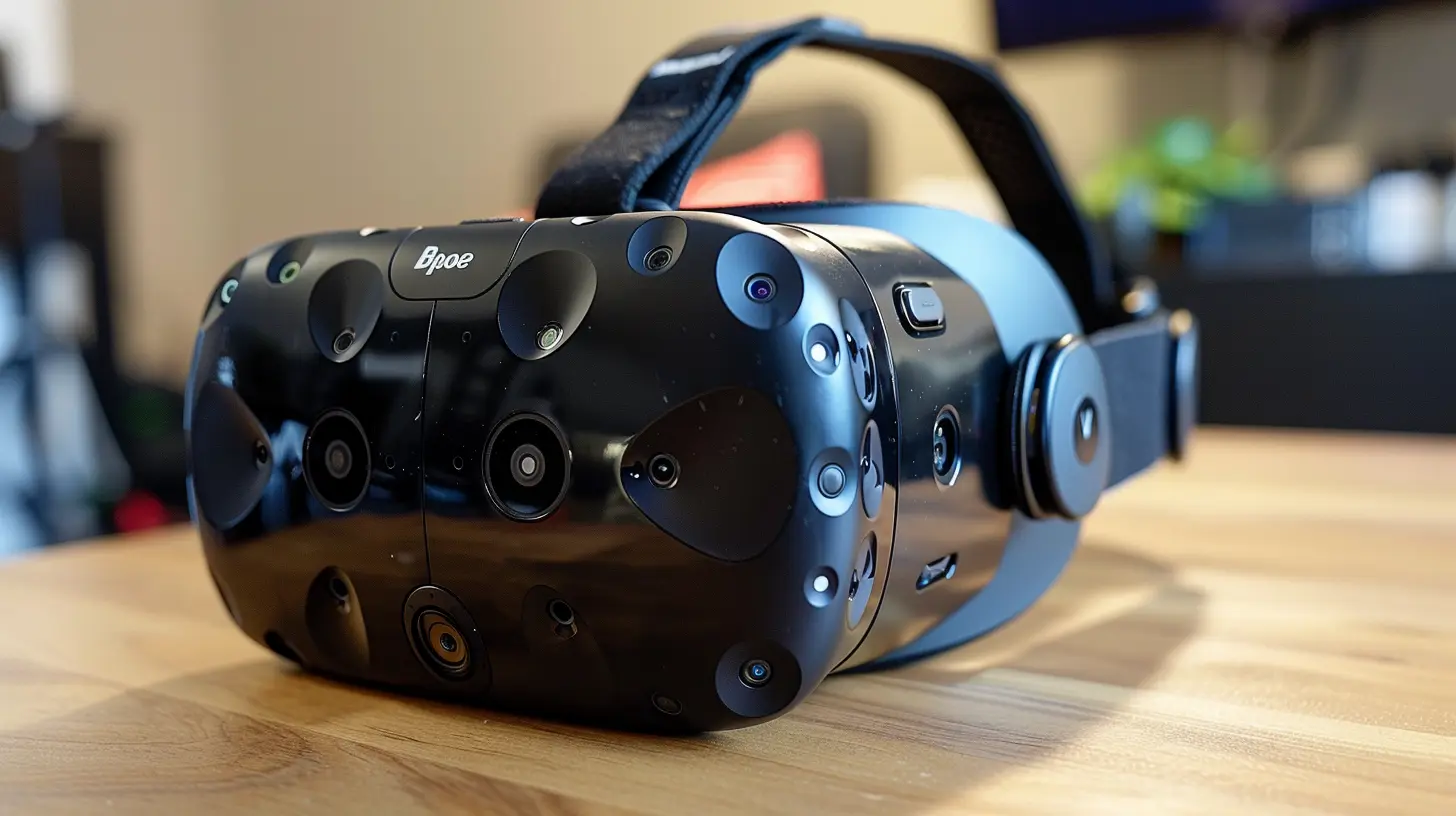
What Is Bluetooth, and Why Should We Care?
Before we get into the nitty-gritty of how Bluetooth is shaking things up in VR, let’s first break down what Bluetooth actually is. In its simplest form, Bluetooth is a wireless communication protocol that allows devices to talk to each other over short distances. Think of it as the invisible wire connecting your gadgets. It’s been around since 1994 and has steadily evolved, growing faster, more efficient, and more reliable with each new version.But why is this tech relevant to VR? Well, VR is all about creating immersive, seamless experiences. And for that to happen, every piece of hardware involved—whether it's your VR headset, controllers, or additional peripherals—needs to communicate efficiently and lag-free. Bluetooth helps make that possible, and it’s doing so in ways you might not have expected.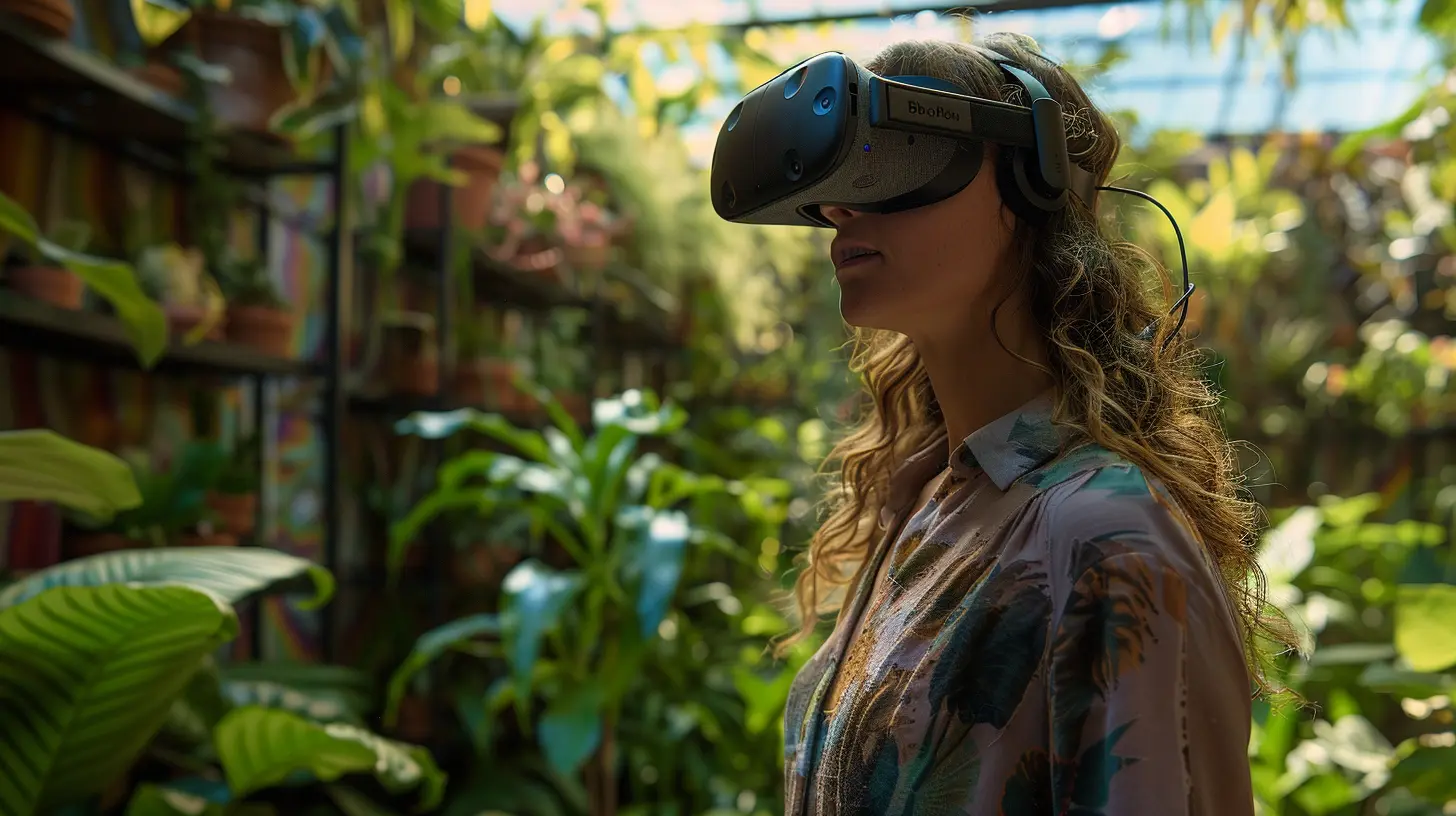
How Bluetooth Integrates With VR
When it comes to VR, the fewer wires you have, the better. No one wants to trip over tangled cords while they’re trying to scale a virtual mountain or fend off a zombie horde. Bluetooth helps eliminate those pesky cables, allowing for a truly wireless experience. But that's not all. Let’s break down some key areas where Bluetooth is making a difference in VR.1. Wireless Controllers
One of the most obvious ways Bluetooth is used in VR is for wireless controllers. Gone are the days when you had to be tethered to your console or PC. Thanks to Bluetooth, VR controllers can communicate with your headset wirelessly, offering more freedom of movement. Imagine trying to swing a virtual sword or aim a futuristic blaster while restricted by cords—that’s not exactly immersive, is it?Bluetooth enables real-time response between actions you take in the physical world and what happens in the virtual one. And with the advancements in Bluetooth technology, latency (that annoying delay between pressing a button and seeing the result) has been drastically reduced, ensuring smoother gameplay and interaction.
2. VR Headsets
Many modern VR headsets are also Bluetooth-enabled, meaning they can connect to other devices like smartphones, tablets, or even smart home systems. This opens up a whole new realm of possibilities. For instance, you could pair your headset with Bluetooth speakers for a more immersive audio experience or connect it to your phone to receive notifications while gaming without having to take off your headset.Some companies are even exploring ways to use Bluetooth to sync multiple VR headsets together, allowing for shared virtual experiences in real-time. Imagine watching a 3D movie with your friends in a virtual theater, all while being in separate physical locations. Bluetooth is helping make that a reality.
3. Peripheral Devices
VR is not just about headsets and controllers. There’s a growing ecosystem of peripheral devices like haptic gloves, treadmills, and even motion sensors designed to make virtual experiences more immersive. Most of these peripherals communicate via Bluetooth, making them easy to set up and use without the hassle of wires.Haptic devices, for example, use Bluetooth to send feedback based on what’s happening in the virtual world. If you’re touching a virtual object, the haptic device will send a corresponding sensation to your hand, making the experience feel more real. This wireless interaction is crucial for maintaining immersion—you don’t want to feel like you’re in a futuristic world while being limited by old-school technology.
4. Audio Experience
Let’s not forget audio. A huge part of feeling immersed in VR is the sound design. You want to hear every footstep, every whisper, and every explosion as if they were happening right next to you. Bluetooth has made it easier to pair wireless headphones or speakers with VR headsets, ensuring you get high-quality, lag-free audio.With the rise of Bluetooth 5.0 and beyond, we’re seeing even better audio transmission, with features like Low Energy Audio (LE Audio) enabling lossless sound and multi-stream audio. This means you could be in a VR game with spatial audio, where the sound matches your movements in the virtual space, without worrying about audio lag or interruptions.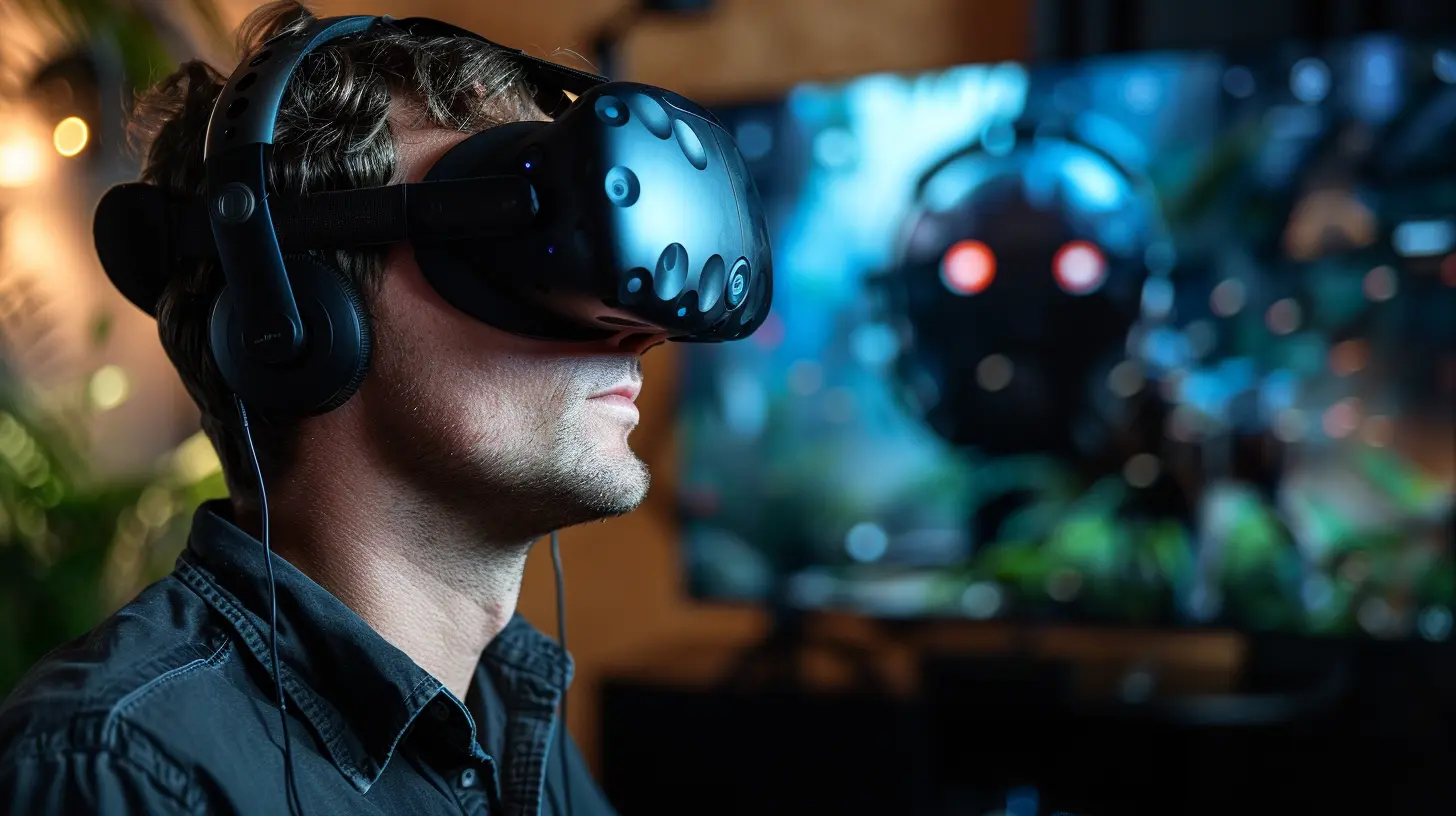
Benefits of Using Bluetooth in VR
Now that we’ve covered how Bluetooth integrates with VR, let’s talk about why this matters. What are the actual advantages of using Bluetooth in the world of virtual reality?1. Freedom of Movement
This is the most obvious benefit. Bluetooth allows for wireless communication between devices, which gives you the freedom to move without being tethered by a bunch of cables. Whether you're exploring a virtual jungle or solving a futuristic puzzle, you can do so with full mobility.2. Reduced Latency
In the past, wireless tech was often plagued by latency issues—those annoying delays between input and response. But with the advancements in Bluetooth technology, especially with Bluetooth 5.0 and beyond, latency has been drastically reduced. In VR, where real-time interaction is crucial, this makes a world of difference.3. Easy Setup
Let’s face it: setting up a VR system can sometimes feel like assembling a spaceship. Cables, ports, adapters—it can get overwhelming. Bluetooth simplifies the setup process. Most Bluetooth devices are plug-and-play, meaning you can get things up and running quickly without needing to dive into a mess of wires.4. Energy Efficiency
One of the lesser-known benefits of Bluetooth is its energy efficiency. Bluetooth Low Energy (BLE) is designed to use minimal power while still delivering high performance. This is especially useful for VR peripherals like controllers and haptic devices, which need to last as long as possible without needing to be recharged constantly.5. Versatility
Finally, Bluetooth is extremely versatile. It’s not just for controllers or headphones. It can be used to connect a wide variety of devices to your VR system, from treadmills that let you physically walk in virtual worlds to smart home systems that adjust your lighting based on what’s happening in the game. The possibilities are endless.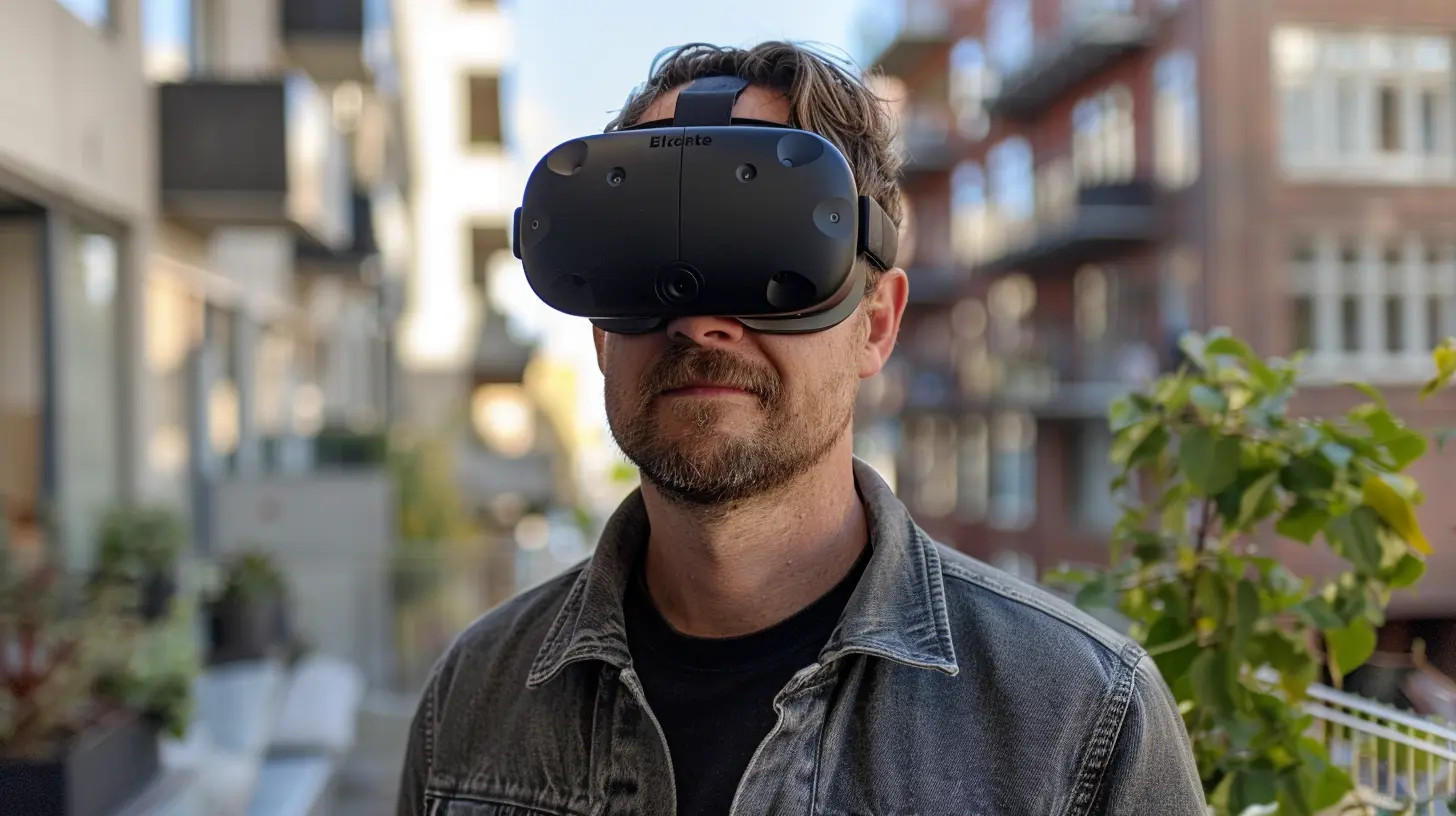
The Future of Bluetooth in VR
So, where is all of this heading? Bluetooth is already playing a significant role in VR, but its impact is only going to grow as both technologies continue to advance. Here are a few exciting developments we might see in the near future:1. Improved Latency and Range
While Bluetooth has come a long way in reducing latency, there’s always room for improvement. Future versions of Bluetooth are expected to offer even faster communication speeds and longer ranges, which will make wireless VR setups even more seamless.2. More Connected Devices
As VR systems become more complex and immersive, the number of connected devices is bound to increase. We’re already seeing VR systems that incorporate haptic suits, motion trackers, and even smart clothing. Bluetooth will continue to be the key technology that enables all of these devices to work together wirelessly.3. Integration with 5G and Wi-Fi 6
The next generation of wireless technologies like 5G and Wi-Fi 6 will likely work in conjunction with Bluetooth to create even more immersive VR experiences. Imagine a fully wireless VR setup where your headset, controllers, and peripherals are all connected via Bluetooth, while 5G ensures you have high-speed internet access for online multiplayer games.4. Smarter VR Experiences
With Bluetooth’s ability to sync multiple devices, we could see more intelligent and adaptive VR experiences. For instance, your VR headset could communicate with your Bluetooth-enabled fitness tracker to adjust the difficulty of a workout game based on your heart rate. Or, your environment’s lighting could change based on where you are in a VR experience, thanks to Bluetooth-enabled smart lights.Wrapping Up: Bluetooth and VR, A Perfect Match
As VR technology continues to evolve, the need for wireless, seamless experiences will only grow. Bluetooth is already at the forefront of this shift, enabling everything from wireless controllers to high-quality audio and haptic feedback devices. While it might not be the flashiest part of your VR setup, Bluetooth is undoubtedly one of the most important—and it’s only going to get better as both VR and Bluetooth technology continue to advance.In short, Bluetooth is helping to break down the barriers between the real and virtual worlds, making VR experiences more immersive, interactive, and, most importantly, fun. So the next time you dive into a virtual world, spare a thought for the humble Bluetooth connection working quietly in the background to make it all possible.
all images in this post were generated using AI tools
Category:
Bluetooth DevicesAuthor:

Reese McQuillan
Discussion
rate this article
2 comments
Solaria Warner
Bluetooth: the invisible magic wand!
March 5, 2026 at 12:19 PM
Reese McQuillan
Thank you! Bluetooth truly is a key technology, seamlessly connecting devices to enhance our VR experiences.
Solstice McInerney
Bluetooth technology plays a crucial role in enhancing virtual reality experiences by enabling seamless connectivity between devices. By facilitating wireless communication, it allows for improved audio, haptic feedback, and device integration, ultimately creating more immersive and interactive environments for users.
March 3, 2026 at 5:01 AM
Reese McQuillan
Thank you for your insightful comment! You're absolutely right—Bluetooth technology significantly enhances VR by ensuring smooth connectivity and integration, which is essential for creating truly immersive experiences.