Bluetooth in Healthcare: A Look at Wearable Medical Devices
5 March 2026
Alright, picture this: You’re wearing a smartwatch that’s not just reminding you to get up every hour to meet your step goal, but it’s also keeping tabs on your heart rate, your blood oxygen levels, and maybe even yelling at you (nicely) when your stress levels spike during Monday’s morning meeting. Welcome to the marvelous world of Bluetooth in healthcare, where wearable medical devices are the new capes in the healthcare superheroes' wardrobe. 🦸♂️🩺
In this article, we’ll dive into how these tiny tech gadgets embedded with Bluetooth are quietly—and sometimes not-so-quietly—revolutionizing healthcare. From the stuff that keeps diabetics in check to smart inhalers and ECG-on-the-go, we've got a full tech tour loaded and ready to roll.
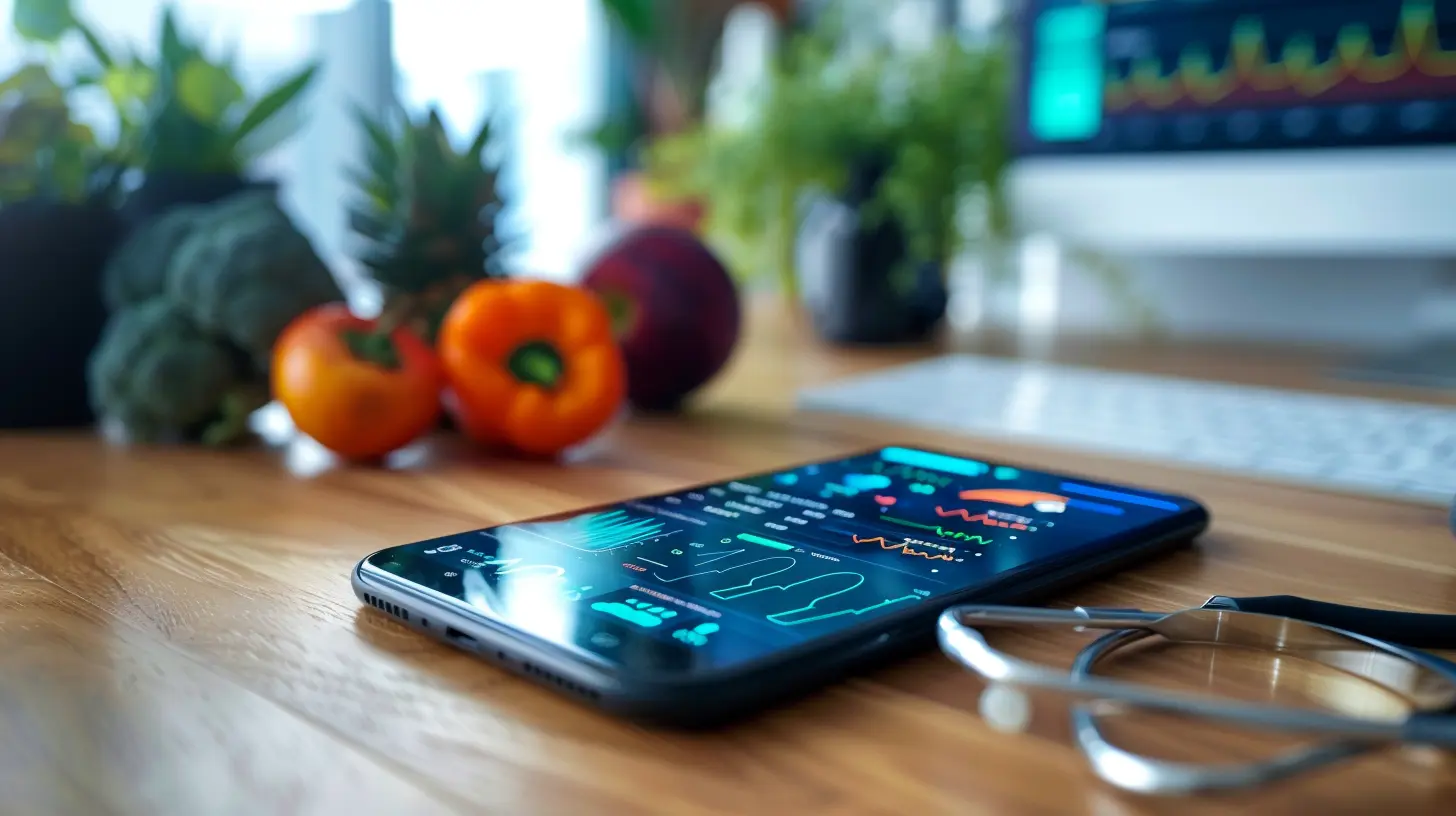
What’s the Big Deal With Bluetooth in Healthcare?
Let’s be honest, when we think “Bluetooth,” most of us imagine connecting our headphones to our phone… and then re-connecting them… and then unpairing and re-pairing because, well, it’s Bluetooth.But here’s the kicker: in the world of healthcare, Bluetooth is not just faffing around with music. Nope. It's making real-time data transfer, constant monitoring, and even early diagnosis a reality—without the drama of tangled wires or bulky hospital equipment.
Bluetooth has quietly become the MVP (Most Valuable Protocol) for wearable medical devices. Why? Because it’s wireless, low-power, ridiculously tiny, and as loyal as your dog waiting for belly rubs.
TL;DR – Why Bluetooth is Rocking Healthcare:
- Super low energy consumption (battery life = chef’s kiss)- Lightweight, portable, and non-invasive
- Real-time data transmission to doctors, caregivers, or your phone
- Encourages proactive, preventative healthcare
- Widely supported by almost every smartphone on the planet

Types of Wearable Medical Devices Using Bluetooth
Okay, now let’s get juicy. What kinds of devices are we talking about here?Spoiler alert: It’s way more than smartwatches.
1. Smartwatches and Fitness Trackers (But Make It Medical)
You probably already have one of these bad boys on your wrist. True, they count steps and buzz when your ex posts something on Instagram, but did you know they also double as little health detectives?Modern smartwatches do so much more:
- Monitor heart rhythm and detect irregularities (AFib, anyone?)
- Track sleep stages and oxygen levels
- Alert you (or your doctor) to dangerous changes in health metrics
Some wearables even got a nod from the FDA—talk about a glow-up.
2. Continuous Glucose Monitors (CGMs)
Let’s take a moment to appreciate the technology helping millions of diabetics breathe easier—literally and figuratively. CGMs, like Dexcom or FreeStyle Libre, use Bluetooth to send real-time glucose levels to your phone or a reader device.Imagine not pricking your finger ten times a day. That’s not just convenience; that’s life-changing.
3. Smart Inhalers
Wait, what? Yes, even your trusty asthma inhaler has joined the smart club. Equipped with Bluetooth sensors, these inhalers can:- Track usage
- Remind you to take your dose
- Send data to your healthcare provider
They’re especially helpful for kids, elderly patients, or the occasional scatterbrain (no judgment—we’ve all been there).
4. Wearable ECG Monitors
Who needs a hospital bed and wires when you’ve got a pocket-sized ECG that syncs with your phone? Devices like KardiaMobile fit in your hand and use Bluetooth to record and share ECG data with your doctor instantly.You could literally do an ECG at your kitchen table while sipping coffee. That’s peak 21st-century multitasking.
5. Bluetooth Smart Hearing Aids
These aren’t your grandpa’s clunky hearing aids (no offense, Grandpa). Today’s Bluetooth-enabled hearing devices can:- Be adjusted via smartphone apps
- Stream calls and music directly into your ears
- Adapt to sound environments dynamically
It’s like having Iron Man-level tech in your ears—minus the explosions.
6. Wearable Blood Pressure Monitors
No cuff, no stress, just accurate blood pressure readings fed to your smartphone in real-time. These devices are ideal for people who need to keep tabs on hypertension without visiting the doctor every other day.Some of them even auto-sync with your doc’s records. Lazy? No. Efficient? Absolutely.

How Bluetooth Wearables are Changing the Healthcare Game
Alright, so we know what these devices are. But how exactly are they changing the game in healthcare?Let’s break it down.
A. Real-Time Monitoring = Fewer "Oh No" Moments
Doctors can now spot health issues faster than you can say “WebMD told me I’m dying.” Bluetooth devices make real-time monitoring possible, meaning patients can get care before things spiral out of control.Think of it as the difference between checking your tire pressure before a big road trip versus discovering a flat tire on the highway. Instant data = instant action.
B. Better Patient Engagement (Yes, Even for the Lazy Ones)
Wearing a device that literally nags you to drink water or move more? That’s called “accountability,” and it works like magic.Patients are more engaged with their own health when it’s gamified or made seamless. And Bluetooth wearables do this beautifully without making you feel like you’re sitting in Health Class 101.
C. Lower Healthcare Costs (Because NO ONE Likes Hospital Bills)
Prevention is way cheaper than treatment. Thanks to wearable tech, minor issues can be caught early, saving thousands (or more) in medical bills.Plus, remote consultations using data from Bluetooth wearables mean fewer unnecessary doctor visits. That’s more money for coffee. Win-win.
D. Greater Data, Better Decisions
Doctors aren’t just guessing based on once-a-year checkups. They’ve got months of data from Bluetooth-enabled devices to make smarter calls about medication, treatments, and lifestyle changes.It’s like having a highlight reel of your health. And who wouldn’t want to see their stats?

Privacy Concerns: The Elephant in the Bluetooth Room 🐘
Okay, okay. Before we paint Bluetooth wearables as the second coming of sliced bread, let’s talk about the tiny (well, not-so-tiny) “but” in the room: privacy and security.Bluetooth is wireless. And anything wireless can be vulnerable if not done right. When you’re dealing with sensitive medical data, you don’t want it floating around like that forgotten group text you sent about your allergic reaction to shellfish.
So, what’s being done?
- Data encryption- Secure pairing protocols
- User consent before data sharing
- Regulations like HIPAA and GDPR
Still, it’s always a good idea to check what data your device is collecting, and who it’s sending it to. Because while your heart rate is fascinating… it’s not for everyone to see.
The Future of Bluetooth in Healthcare: So What’s Next?
Bluetooth in healthcare is just stretching its legs. The future looks kind of bananas—in the best way.- Smart tattoos that track vitals
- Wireless patches that replace bulky monitors
- Bluetooth-enabled pill bottles that remind you to take your meds (and snitch when you don’t)
- AI integration with wearables to predict health outcomes
It’s less sci-fi and more "just about to launch." Five years from now, we might all be walking around with medical dashboards around our wrists or ankles.
Choosing the Right Bluetooth Wearable: Your Buyer’s Checklist
Feeling ready to jump into the world of Bluetooth-powered health, but not sure where to start? Here’s a quick checklist before you go shopping:✅ Is it FDA-approved (or at least medically reviewed)?
✅ Does it work with your smartphone (Android/iOS compatibility)?
✅ What's the battery life like?
✅ Can it share data with your doctor?
✅ Is the app interface intuitive, or is it built by a team of sadistic UX designers?
✅ How does it store and protect your data?
Don’t just go for the flashiest or trendiest option. Pick what suits your specific medical needs—and maybe your aesthetic too (because hey, fashion matters).
Final Thoughts: Bluetooth Ain’t Just for Tunes Anymore 🎧➡️🩺
So, here we are. From glorified pedometers to full-on health command centers, wearable medical devices powered by Bluetooth are shaking things up big time in the healthcare world.They’re making healthcare more accessible, more personal, and—dare we say—kinda fun? Whether you’re managing a chronic condition or just trying not to turn into a potato during winter, there’s probably a Bluetooth device ready to help.
And look, not all heroes wear capes. Some just quietly buzz on your wrist, reminding you to breathe.
all images in this post were generated using AI tools
Category:
Bluetooth DevicesAuthor:

Reese McQuillan
Discussion
rate this article
2 comments
Karson Reilly
Bluetooth technology significantly enhances communication and data transfer between wearable medical devices and healthcare systems.
March 17, 2026 at 4:00 AM
Reese McQuillan
Thank you for your comment! Indeed, Bluetooth technology plays a crucial role in improving the connectivity and efficiency of wearable medical devices in healthcare.
Summer Castillo
The integration of Bluetooth in wearable medical devices revolutionizes healthcare by enabling real-time monitoring and data transmission. However, crucial considerations include data security and interoperability, which must be addressed to fully realize the potential of these innovative technologies.
March 10, 2026 at 12:18 PM
Reese McQuillan
Thank you for your insightful comment! You're absolutely right; while Bluetooth technology enhances real-time monitoring in wearable medical devices, ensuring robust data security and interoperability is essential for maximizing its benefits in healthcare.